The Reality of the Kitchen Black Hole
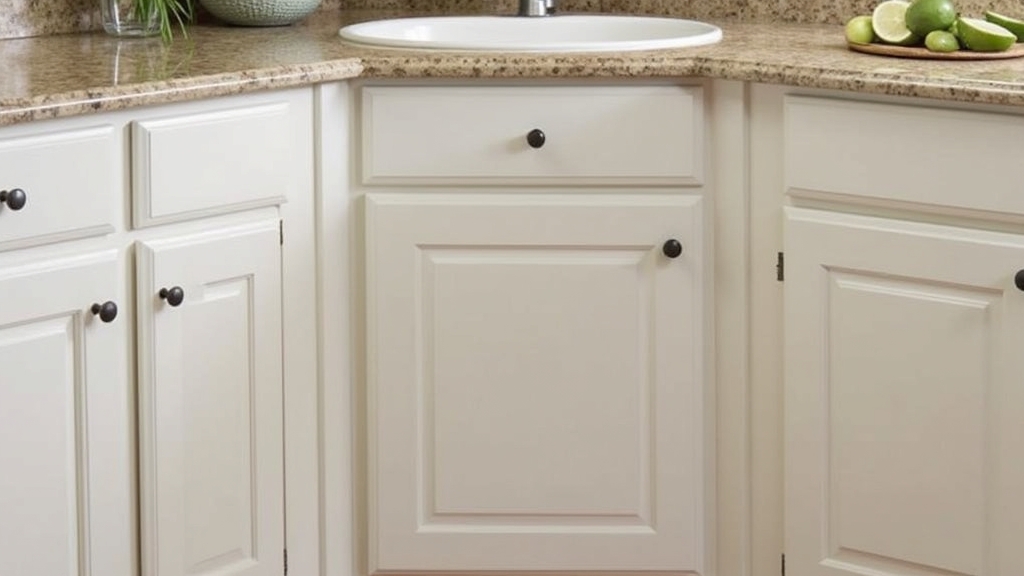
In my years of managing properties, from historic brownstones to modern condos, I have encountered one universal frustration: the blind corner cabinet. It is that cavernous space where two rows of cabinetry meet, creating a deep, dark void that is nearly impossible to reach without crawling on your hands and knees. Here is the thing: most people treat this space as a graveyard for bread makers and seasonal platters they’ll never use again. But it doesn't have to be that way.
A blind corner occurs when one cabinet is tucked behind another, leaving only a small door for access to a massive interior volume. While it looks clean from the outside, the functional layout is often a disaster. Over time, I’ve seen these corners become more than just a storage nuisance; they can become breeding grounds for dust, pests, and even moisture issues that go unnoticed because no one ever looks back there. Understanding how to reclaim this space starts with identifying why it fails in the first place.
Root Causes and Contributing Factors
The primary issue with blind corners is a simple matter of geometry versus ergonomics. Standard base cabinets are 24 inches deep. When you overlap them in a corner, you end up with a space that is roughly four feet deep but only accessible through a 12-to-15-inch opening. This creates a visibility crisis. If you can’t see it, you won’t use it, and eventually, you’ll forget it exists.
Poor Lighting and Depth Perception
What most people miss is that the lack of light is the biggest deterrent to using corner storage. Kitchen lighting is typically designed to illuminate countertops, not the interior of deep cabinets. Without dedicated light, the back half of a blind corner is essentially a shadow box. This leads to 'over-stuffing,' where items are pushed back to make room for new things, eventually creating a wall of clutter that blocks access to the rear.
Hardware Fatigue
Another contributing factor is the reliance on cheap, builder-grade shelving. Standard stationary shelves in a corner cabinet are the least efficient way to use the space. They provide a surface, but they don't solve the reach problem. Now, the important part to remember is that even when developers install 'solutions,' they often opt for flimsy plastic lazy susans that can’t handle the weight of cast iron or heavy appliances. When these mechanisms fail or get jammed by a stray pot lid, the entire cabinet becomes unusable.
Immediate Steps to Take
Before you start looking at high-end kitchen corner storage ideas, you need to clear the slate. This is where it gets interesting: most of the 'stuff' I find in the back of rental kitchen corners is actually expired food or broken appliances. Step one is always a total purge.
The Empty-and-Audit Method
Remove every single item. If you haven't touched it in twelve months, it doesn't belong in the corner. Once the cabinet is empty, inspect the back corners for any signs of moisture or pests. Because these areas are poorly ventilated, they can occasionally harbor dampness if they share a wall with a sink or dishwasher. Clean the surfaces thoroughly and consider a light-colored shelf liner. A white or light gray liner reflects what little light enters the cabinet, making the interior much more visible.
Implementing 'Zone' Storage
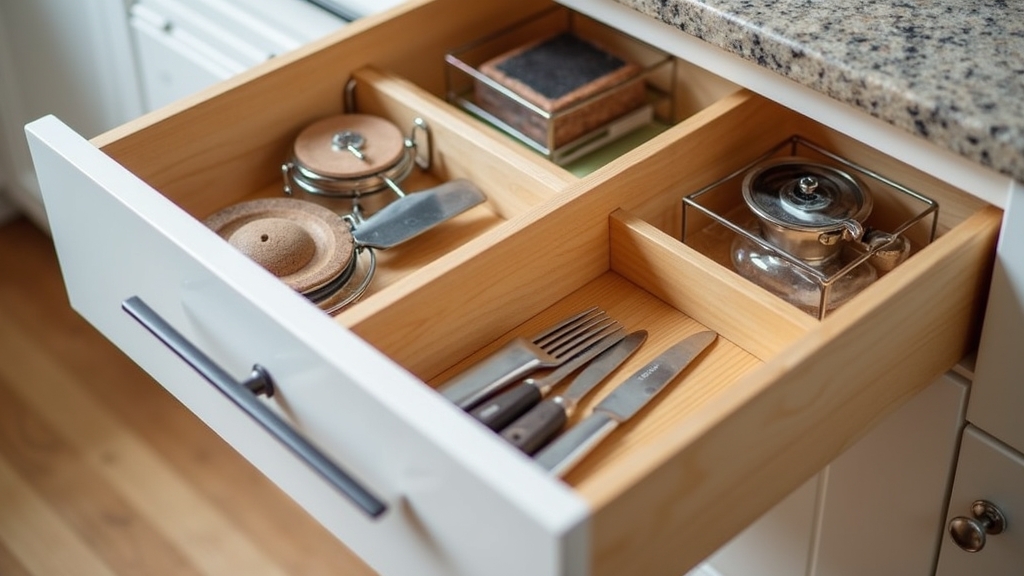
If you aren't ready for a full hardware install, the next best move is to use long, clear acrylic bins. Think of these as drawers you can manually pull out. By grouping like items—such as baking supplies or Tupperware lids—into these bins, you can reach the items in the back by simply sliding the front bin out. It’s a low-tech fix, but it’s far more effective than loose items floating around in the dark.
Long-Term Prevention Strategies
To truly fix a blind corner, you have to change how the space is accessed. The goal is to bring the items to you, rather than you going to the items. This is where we look at lazy susan alternatives and mechanical pull out cabinet organizers.
Swing-Out Trays and Clouds
The gold standard for a blind corner is a heavy-duty swing-out system. These consist of two or more independent shelves that pivot out of the cabinet entirely. On the other hand, if you have a very narrow door opening, you might need a 'slide-and-pivot' system where the first shelf slides out of the way to allow a second set of shelves to move into the doorway. These systems are incredible for heavy items like stand mixers or Dutch ovens because they use ball-bearing slides designed for high weight capacities.
Full-Extension Pull-Out Drawers
Something to keep in mind is that sometimes the best solution isn't a 'corner' tool at all, but a series of diagonal drawers. This requires a professional remodel of the cabinet face, but it eliminates the blind corner entirely by turning the corner into a pointed drawer system. While you lose a bit of the 'dead space' in the very back, the 100% accessibility of the remaining space makes it much more valuable in a high-use kitchen.
Integrated Lighting Solutions
The good news is that you don't need to hire an electrician to fix the visibility problem. Battery-operated or rechargeable LED motion-sensor lights are a game changer for blind corners. Mount them on the 'ceiling' of the cabinet interior. The moment you open the door, the entire cavity is flooded with light. This simple addition prevents the 'shoving' behavior that leads to clutter.
When to Call a Professional
While a savvy homeowner can install basic bins or even some simple pull-out wire baskets, there are times when you need a pro. If you notice that the cabinet floor is sagging, or if the side walls are pulling away from the wall, you have structural issues that hardware won't fix. Installing heavy-duty blind corner cabinet solutions also requires precision. If the tracks are even a fraction of an inch off-level, the weight of your pots and pans will cause the mechanism to bind or scrape against your cabinet doors, leading to permanent damage.
Worth mentioning is the door hinge. Many blind corner cabinets require 170-degree hinges to allow the door to swing wide enough for organizers to clear the opening. Swapping hinges can be tricky if the cabinet frames are old or made of MDF, so having a carpenter handle the retrofitting ensures that your doors stay aligned and your hardware operates smoothly for years to come.