In most homes, the corner kitchen cabinet becomes a 'black hole' where heavy pots, unused gadgets, and holiday platters disappear for years. These deep spaces are notorious for being difficult to reach and even harder to organize. While they offer a lot of cubic footage, the lack of accessibility often makes that space functionally useless.
The Real Issue with Deep Corner Cupboard Storage
The primary problem with corner cabinets isn't a lack of space; it is a lack of visibility and reach. A common situation is finding a generic shelf that sits thirty inches deep with a narrow twelve-inch opening. From experience, I have found that when people cannot see the back of a cabinet, they simply stop using it or store items there that they eventually forget they own.
Root Causes of Corner Cabinet Chaos
Standard builder-grade cabinetry often prioritizes external aesthetics over internal functionality. The 'blind corner'—where one cabinet overlaps another—creates a cavernous L-shaped area. The real issue usually is that the shelf height is static. When you have a tall stockpot next to a stack of small mixing bowls, you lose the vertical space above the bowls, or worse, you bury the pot behind several layers of smaller items.
Immediate Steps to Take Today
Before investing in expensive hardware, you must address the current clutter. In my experience, the first step is a total empty-out. What works best is to clear your kitchen counters and pull everything out of that corner. You will likely find expired food, duplicate tools, or items that belong in a different room entirely.
The Empty-and-Sort Method
One thing many people overlook is the 'zone' strategy during a cleanup. Sort your items into three piles: items used weekly, items used seasonally, and items that have not been touched in a year. If you have not used a specific small appliance in twelve months, it probably does not deserve a spot in your prime kitchen real estate.
Temporary Bins and Trays
If you aren't ready for a permanent renovation, use long, rectangular plastic bins. These act as makeshift drawers. Instead of reaching into the dark corner, you pull the entire bin out to access what is inside. This is a budget-friendly way to test if you actually like storing specific items in that corner before committing to a permanent solution.
Long-Term Prevention and Better Blind Corner Cabinet Solutions
For a permanent fix, you need hardware that brings the items to you. Over the years, I have learned that the best solutions involve mechanical movement. You want to eliminate the need to get on your hands and knees to find a lid.
Lazy Susan Alternatives
While the traditional Lazy Susan is a staple, many homeowners find the center pole intrusive. Modern lazy susan alternatives include 'Super Susans,' which are rotating trays mounted directly onto the shelves without a center pole. This allows for much larger items, like slow cookers or stand mixers, to sit flat and rotate freely.
Pull-Out Shelving and 'Magic Corners'
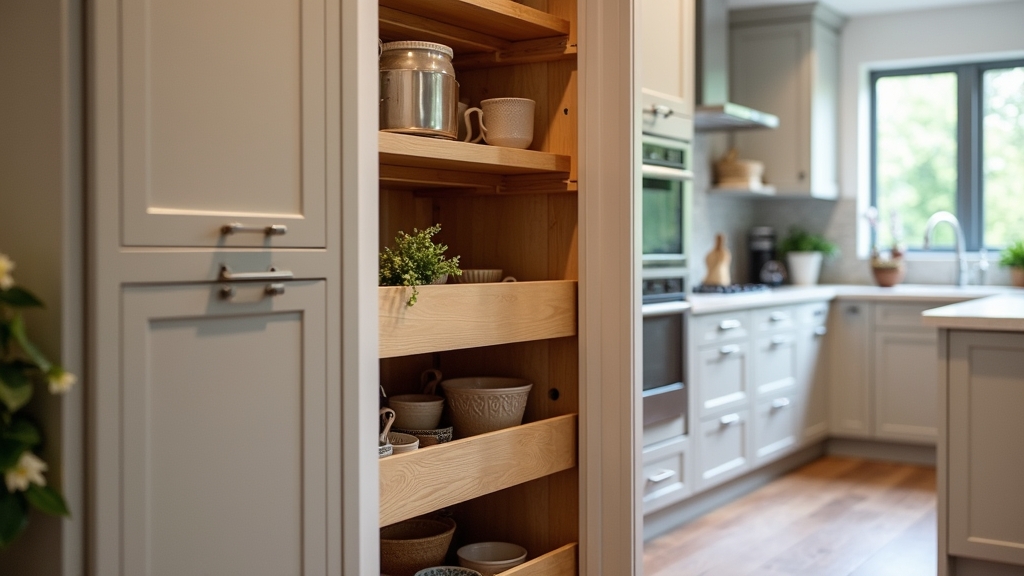
What I have found is that 'Magic Corners' or 'Cloud' shelves are the most efficient use of a blind corner. These systems involve a series of trays attached to a sliding track. When you open the cabinet door and pull the handle, the front trays swing out of the way, and the back trays slide forward into the opening. It effectively turns a deep, dark cave into a series of accessible drawers.
Corner Drawers
A more structural but highly effective choice is the corner drawer system. Instead of a door, the corner consists of V-shaped drawers that pull out directly toward you. This is an excellent kitchen cabinet organization strategy because it utilizes the full depth of the corner without any awkward swinging motions.
Strategic Zone Planning
The key thing to remember is that even with great hardware, you must be intentional about what you store. From experience, deep corners are best suited for bulky items. Think of things like large colanders, salad spinners, or heavy cast iron Dutch ovens. Avoid storing small spices or canned goods in these deep areas, as they will inevitably fall off the back of shelves or get lost behind larger items.
Lighting the Darkness
One simple thing many people overlook is lighting. Even the most organized cabinet feels frustrating if you cannot see into it. Install battery-operated, motion-sensor LED puck lights inside the corner. When you open the door, the space illuminates, making it significantly easier to find what you need.
When to Call a Professional
While many pull-out kits are available at hardware stores for DIY installation, some situations require an expert. If your cabinets are custom-sized or if you want to install heavy-duty steel pull-outs that hold fifty pounds or more, a professional installer ensures the hardware is anchored correctly. Over the years, I have seen many DIY pull-outs fail because they weren't leveled properly, leading to warped hinges or tracks that stick.
Structural Changes
If you are frustrated with the narrow opening of your blind corner, a contractor can sometimes modify the cabinet frame to accept a larger door or a folding 'piano hinge' door. This provides a wider field of view and makes it much easier to install large organization systems.