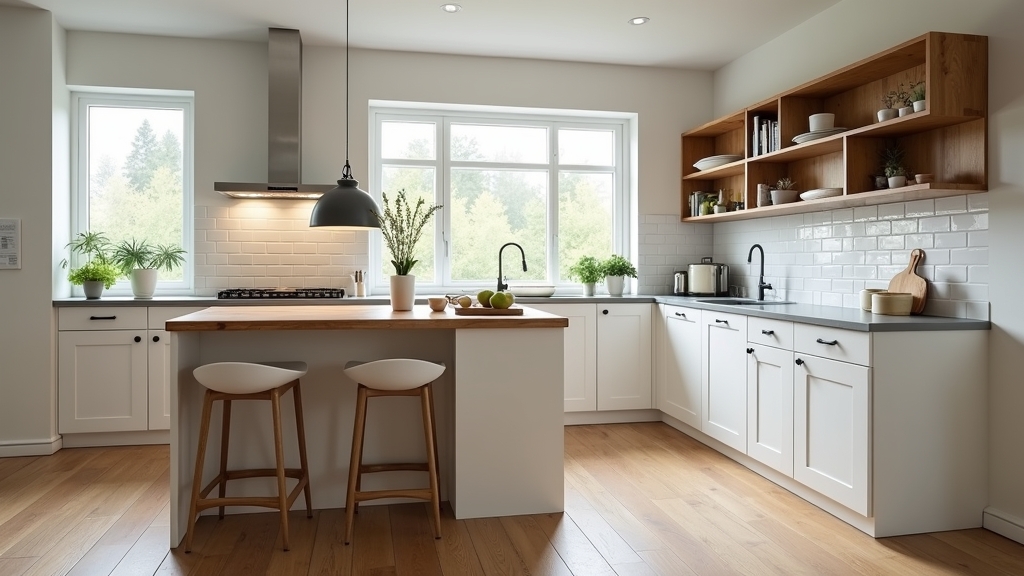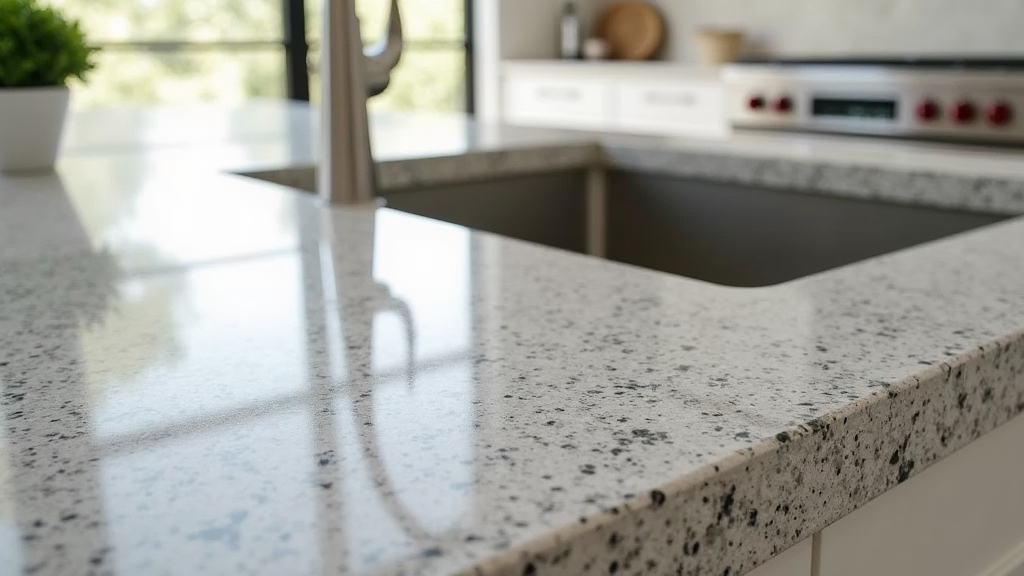
After fifteen years of gutting kitchens and installing various surfaces, I’ve learned that the choice between quartz and granite isn’t just about aesthetics. It is a decision that impacts the structural longevity of your cabinetry and the daily rhythm of your home. When you are looking for the best kitchen countertops, it is easy to get distracted by glossy samples. However, a successful kitchen remodel requires looking past the surface to understand the mineral composition and long-term performance of these materials.
Understanding the Core Composition
To choose the right material, we must first understand what they actually are. Many homeowners mistake quartz for a natural stone like granite, but the two are fundamentally different in their structural DNA. Taking your time to understand these basics will prevent maintenance headaches years down the road.
The Geology of Granite
Granite is a 100% natural igneous rock. It is formed deep within the earth from cooled magma and composed primarily of quartz, feldspar, and mica. Because it is harvested in large blocks from quarries and sliced into slabs, no two pieces are identical. When you choose granite, you are choosing a piece of geological history. However, this natural origin means the stone is inherently porous. It contains tiny capillaries that can suck up liquids if not properly managed.
The Engineering of Quartz
Quartz countertops are often called 'engineered stone.' They are composed of roughly 90-95% crushed natural quartz crystals mixed with 5-10% polyester resins and pigments. This manufacturing process creates a non-porous surface. While it mimics the look of stone, it is a highly controlled product. It is worth doing right the first time by recognizing that because it contains resin (a type of plastic), it behaves differently under heat than pure stone does.
Root Causes of Material Failure
Most countertop failures—cracks, stains, or dulling—stem from a mismatch between the material’s properties and the homeowner’s lifestyle. If you understand these root causes, you can mitigate risks before the installation even begins.
Porosity and Staining
The primary 'failure' in granite is staining. Because it is a natural stone, it has a cellular structure that can absorb oils, wine, or acidic juices. If these liquids sit for too long, they penetrate the surface, making removal nearly impossible without professional chemical poultices. Quartz, being non-porous, solves this specific issue, but it has its own vulnerability: chemical sensitivity. Certain harsh cleaners can break down the resin binder in quartz, leading to permanent clouding.
Thermal Shock and Heat Resistance
Granite is incredibly heat resistant. You can generally move a pot from the stove to the counter without immediate damage (though I always suggest a trivet to be safe). Quartz, however, is susceptible to thermal shock. If a hot pan is placed on a cold quartz surface, the resin can melt or discolor, or the slab can crack due to rapid expansion. Small details matter here; knowing your cooking habits is vital.
Immediate Steps for Selection and Installation
If you are currently in the middle of a remodel, these are the critical steps to take to ensure a permanent, high-quality installation.
Sub-Floor and Cabinet Leveling
Before the countertops arrive, you must ensure your base cabinets are perfectly level. Both granite and quartz are heavy and rigid. If the cabinets are uneven, the weight of the slab creates 'stress points.' Over time, these points will lead to hairline fractures or full cracks, especially near sink cutouts where the material is thinnest. Do not rush the process of shimming and leveling your cabinets; it is the foundation of the entire project.
Inspecting the Slab
For granite, you must visit the stone yard and see the actual slab being cut. Natural stone has 'fissures'—natural cracks that are part of the stone’s character. While usually stable, some fissures can be structural weaknesses. Trust your instincts on this one; if a slab looks like it has a deep, unstable vein, ask the fabricator about its integrity. For quartz, check for 'resin pools'—areas where the pigment didn't mix correctly, resulting in a blotchy appearance.
Long-Term Prevention and Maintenance
A countertop should be a permanent fix for your kitchen. Achieving a 20-plus year lifespan requires a specific maintenance strategy tailored to the material.
Sealing Schedules for Granite
If you choose granite, the most important long-term strategy is sealing. Depending on the density of the stone, you will need to apply a high-quality impregnating sealer every 1 to 3 years. A simple way to test this is the 'water drop test.' Place a few drops of water on the counter; if they bead up after 15 minutes, your seal is good. If the water soaks in and darkens the stone, it’s time to reseal. It is a simple task, but skipping it is the leading cause of granite degradation.
Environmental Factors for Quartz
For quartz, the long-term enemy is UV light. If your kitchen has large south-facing windows with direct sunlight hitting the counters, the resins in quartz can yellow or fade over several years. Using UV-filtering window films or blinds during peak sun hours is a necessary prevention strategy for quartz longevity. Additionally, avoid using any 'abrasive' scrubbers that can micro-scratch the resin surface, as these scratches will eventually collect dirt and dull the finish.
When to Call a Professional
While the DIY spirit is strong, certain aspects of durable countertops require specialized tools and experience. You should call a professional for:
- The Final Cut and Polish: Both materials require bridge saws and wet-polishing tools that are rarely available for rent at the necessary precision levels.
- Seam Joining: Getting a seam to be nearly invisible requires specialized epoxy color-matching and suction-cup seam setters.
- Repairing Large Cracks: If a slab cracks due to house settling, a professional can inject color-matched resin to stabilize the break and prevent further traveling.
- Undermount Sink Installation: The mechanical fastening of a heavy sink to the underside of a stone slab is a high-risk area for failure if not braced correctly.