Revitalizing Your Kitchen: The Art of Butcher Block Maintenance
As an energy efficiency advisor, I often talk about insulation and smart thermostats, but sustainability starts with the materials already in your home. Butcher block countertops are a prime example of a sustainable choice—they are durable, renewable, and can last a lifetime if cared for properly. However, over time, knife marks, water stains, and dryness can make them look tired. Take your time with this process; restoring wood is a meditative task that rewards patience.
Refinishing wood countertops isn't just about aesthetics. A well-sealed board prevents water infiltration, which can lead to warping or mold, ultimately saving you the high cost and environmental impact of a full kitchen remodel. In this guide, we will compare the two primary methods for finishing: Food-Safe Mineral Oil vs. Hardwax Oils.
Preparation: The Foundation of a Great Finish
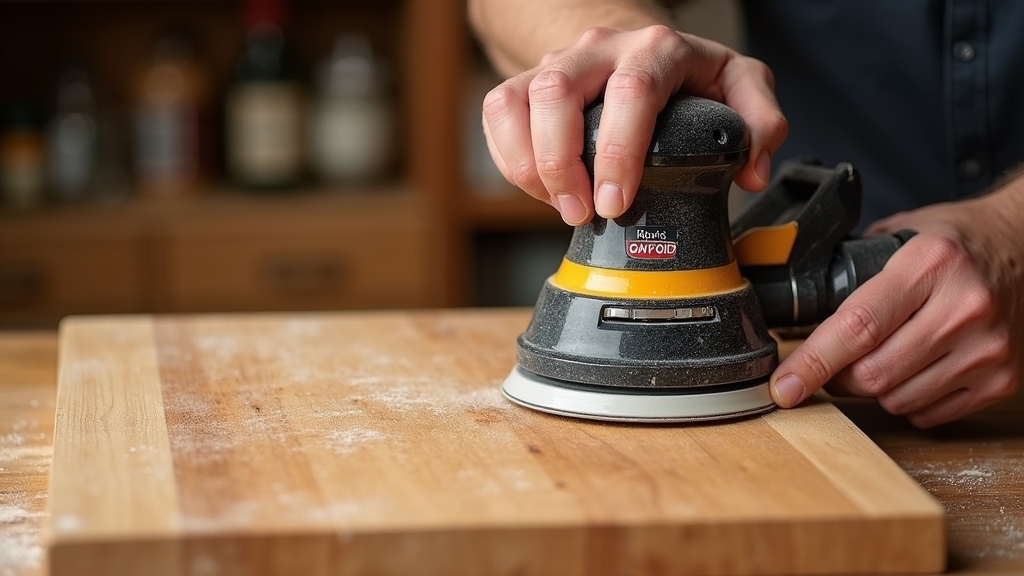
Before choosing your finish, you must prepare the surface. It is worth doing right the first time, as poor sanding will be magnified once the oil is applied. You will need a random orbital sander, various grits of sandpaper (80, 120, 180, and 220), and a vacuum with a brush attachment.
The Sanding Process
Start with the 80-grit sandpaper to remove deep scratches and old stains. Move the sander slowly with the grain of the wood. Once the surface is uniform, progress through the grits. Small details matter here—don't skip a grit level, or you'll leave microscopic scratches that the oil will highlight. Finish with 220-grit for a buttery-smooth feel.
Method 1: The Traditional Mineral Oil Approach
Mineral oil for wood is the industry standard for food-safe wood finishes. It is an "incomplete" finish, meaning it never truly dries or hardens; it simply occupies the wood fibers to repel water.
Pros of Mineral Oil
- 100% Food Safe: Perfectly safe for direct food preparation.
- Easy to Apply: You cannot mess this up; simply pour and wipe.
- Affordable: One of the most cost-effective maintenance solutions available.
Cons of Mineral Oil
- High Maintenance: Needs to be reapplied monthly or whenever the wood looks dry.
- No Heat Resistance: Offers little protection against hot pans.
- Wash-away: Soap and water gradually strip the oil out of the wood.
Method 2: The Modern Hardwax Oil Approach
Products like Rubio Monocoat or Osmo TopOil have revolutionized refinishing wood countertops. These are blends of natural oils (like linseed or sunflower) and waxes (like carnauba or candelilla). Unlike mineral oil, these finishes cure and harden within the wood fibers.
Pros of Hardwax Oil
- Durability: Highly resistant to water, wine, and juice stains.
- Low Maintenance: Only needs refreshing every 1–3 years depending on use.
- Appearance: Provides a sophisticated matte or satin sheen that highlights the grain.
Cons of Hardwax Oil
- Higher Initial Cost: The products are significantly more expensive than mineral oil.
- Complex Application: Requires specific drying times and sometimes a two-part mixing process.
- Cure Time: You may not be able to use your counters for 24–48 hours.
Cost Comparison: Short-term vs. Long-term
When looking at budget, consider both the immediate cost and the "labor equity" you'll invest over time. Trust your instincts on this one; if you enjoy the ritual of oiling your boards monthly, the cheaper option is fine. If you want to "set it and forget it," spend the extra money upfront.
| Feature | Mineral Oil | Hardwax Oil |
|---|---|---|
| Initial Product Cost | $10 - $15 | $40 - $80 |
| Application Frequency | Every 4-6 weeks | Every 1-3 years |
| Tools Needed | Clean rag | Buffer pads or specific applicators |
| Food Safety | Excellent | Excellent (once cured) |
Detailed Steps for a Perfect Finish
Regardless of the method you choose, the application follows a similar philosophy: do not rush the process.
Applying Mineral Oil
- Clean the surface thoroughly and let it dry for 24 hours.
- Apply a generous amount of oil and spread it with a lint-free cloth.
- Let it soak in for at least 20 minutes.
- Wipe away any excess. Repeat until the wood stops "drinking" the oil.
Applying Hardwax Oil
- Ensure the wood is sanded to no higher than 150-180 grit (closing the pores too much prevents the wax from bonding).
- Apply a small amount of the product; a little goes a long way.
- Buff it into the wood using a white abrasive pad.
- Remove 100% of the excess oil with a clean cloth. The surface should feel almost dry to the touch immediately after wiping.
Best Use Cases: Which Method is Right for You?
Choosing the right finish depends on how you actually use your kitchen.
Choose Mineral Oil if:
- You use your countertop as a giant cutting board and cut directly on the wood.
- You are on a tight budget.
- You enjoy the routine of maintaining your home's surfaces.
Choose Hardwax Oil if:
- Your butcher block is around a sink (where water exposure is constant).
- You use the island for entertaining and want maximum stain protection.
- You prefer a "furniture-grade" look over a "commercial kitchen" look.
Final Recommendation
If you are looking for the best balance of energy efficiency (not wasting resources on frequent reapplications) and durability, Hardwax Oil is the superior choice for most modern homeowners. While the initial investment is higher, the protection it offers against water damage ensures your wood countertops will last for decades without needing to be sanded down again. However, if you are a purist who loves the feel of a raw, oiled board under your knife, Mineral Oil remains a timeless classic.