The Challenge of the Small Walk-In Pantry
In most homes I have managed, the pantry is the first place where organizational systems collapse. It starts with a few extra cans of soup and ends with a 'black hole' corner where boxes of crackers go to die. As a property manager who has overseen the maintenance of dozens of homes over the years, I have seen every temporary fix imaginable—from flimsy plastic over-the-door racks to stackable bins that eventually crack under the weight of glass jars. What I have found is that most people approach pantry organization as a Saturday afternoon project rather than a long-term infrastructure investment.
The real issue usually is not a lack of space, but a lack of structural efficiency. When you are dealing with a small walk-in pantry, every inch must earn its keep. Over the years, I have learned that a truly organized pantry isn't just about making it look 'Instagram-ready'; it is about creating a durable system that prevents food waste, minimizes pest risks, and stands up to the daily wear and tear of a hungry household.
Root Causes of Pantry Chaos
Before you buy a single food storage bin, you must understand why your current setup is failing. In my experience, there are three primary culprits that turn a small pantry into a cluttered mess.
1. Inefficient Shelf Depth
A common situation is finding walk-in pantries with shelves that are far too deep. While deep shelves seem like they offer more storage, they actually create 'dead zones.' Items at the back are forgotten, leading to expired food and unnecessary repurchasing. Conversely, shelves that are too shallow waste the volume of the walk-in space.
2. The 'Dead Corner' Syndrome
Most walk-in pantries are L-shaped or U-shaped. The corners are where organization goes to die. Without the right hardware, these corners become inaccessible pits where heavy appliances or bulk items are shoved and never seen again.
3. Vertical Space Waste
One thing many people overlook is the distance between shelves. Standard builder-grade pantries often have fixed shelving with 14 to 16 inches of clearance. If you are storing standard-sized cans or boxes, you are wasting 50% of your vertical real estate. This 'air space' is the biggest missed opportunity in small pantry storage.
From experience, the most permanent fix for a chaotic pantry is addressing these structural flaws before focusing on the containers.
Immediate Steps to Reclaim Your Space
If you are staring at a mountain of clutter, you need an immediate intervention. What works best is a methodical 'strip and ship' approach. This is the same process I use when preparing a rental property for a new tenant.
The Total Purge
Empty the pantry entirely. Every single item must come out. This allows you to inspect the integrity of the pantry shelving and check for any signs of moisture or pests—two things that can ruin a pantry long-term. Check expiration dates ruthlessly. If a product has been in the back for over a year, it’s not a staple; it’s clutter.
Categorize by Frequency of Use
Instead of categorizing by food type alone (e.g., all cans together), categorize by how often you touch the item. Daily essentials like coffee, cereal, and snacks should live in the 'strike zone'—the area between your waist and eye level. Occasional items like baking supplies or holiday platters should go high or low.
Measure with Precision
The key thing to remember is that 1/4 inch matters. Measure your shelf depth, width, and the height between shelves. When you eventually look for pantry organization ideas involving bins or risers, you need these measurements to ensure a snug fit. Loose-fitting bins slide around and break down the system.
Long-Term Prevention and Permanent Solutions
To move away from temporary band-aids, you need to think like a builder. Here are the permanent fixes that I recommend to homeowners who want a pantry that stays organized for a decade, not just a week.
Upgrade from Wire to Solid Shelving
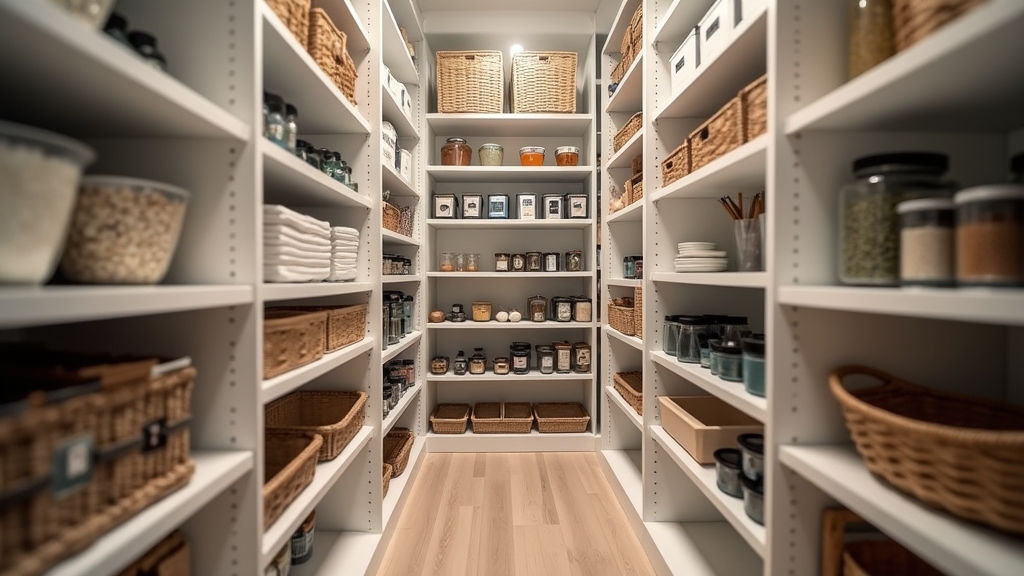
In many homes, builders install wire shelving because it is cheap and fast. However, wire shelving is the enemy of organization. Small items tip over, and honey or oil spills can drip through five levels of food. What I have found is that replacing wire racks with solid wood or high-quality laminate shelving is the single best investment you can make. If you are on a budget, you can buy acrylic shelf liners to provide a flat surface, but for a permanent fix, go solid.
Invest in High-Quality Food Storage Bins
Not all bins are created equal. Avoid the thin, brittle plastics found at dollar stores. Over the years, I have learned that airtight, BPA-free plastic or glass containers are the gold standard. Decanting (moving food from original packaging into bins) isn't just for aesthetics; it prevents pests like pantry moths and keeps food fresh longer. Use clear bins so you can see inventory at a glance.
Maximize the Door
A small walk-in pantry often has unused vertical space on the back of the door. Instead of a flimsy over-the-door rack that rattles and scratches the paint, I recommend a screw-in wall-mounted shelving system. This turns the door into a stable storage area for spices, extracts, and small jars, freeing up the main shelves for bulkier items.
The Power of Pull-Outs
For those deep shelves or corners, install 'lazy Susans' or pull-out drawers. In my experience, if a tenant has to move three items to get to a fourth, they won't put the first three back properly. A rotating turntable or a sliding drawer ensures everything is accessible without a game of Tetris.
When to Call a Professional
While DIY organization works for many, there are times when the structural issues of a small pantry require a professional touch. You should consider calling a professional contractor or closet designer if:
- Structural Sagging: If your current shelves are bowing under the weight of your canned goods, the supports are failing. This is a safety hazard that needs a professional fix.
- Mold or Moisture: If you find dampness in the corners, you likely have an insulation or plumbing issue behind the wall. A pantry must be dry to be functional.
- Custom Cabinetry Needs: If your pantry has awkward angles or sloped ceilings (common in under-stairs pantries), off-the-shelf solutions will always leave wasted space. A custom carpenter can build floor-to-ceiling units that utilize every cubic inch.
The real value of a professional is their ability to install heavy-duty hardware—like 100lb-rated drawer slides—that the average homeowner might struggle to align perfectly.
Summary of Permanent Pantry Success
Organizing a small walk-in pantry is about more than just buying food storage bins; it’s about creating a sustainable environment for your household. By focusing on shelf integrity, vertical space utilization, and high-quality containers, you transition from a cycle of constant tidying to a state of permanent order. In my experience, a well-organized pantry doesn't just save time—it saves money by reducing waste and stress.