Understanding Kitchen Ventilation Needs
Choosing between vented and ductless range hood types is one of the most critical decisions in a kitchen remodel. In this guide, we will explore the functional differences between these two systems, how they perform across different seasons, and the installation requirements you need to consider for a healthy home environment.
Why Proper Ventilation Matters
Here is the thing: most people view a range hood as a design element or a light source, but its primary job is managing indoor air quality. When you cook, you release grease, smoke, moisture, and combustion byproducts into the air. Without a proper system, these particles settle on your cabinetry, walls, and lungs. Now, the important part to understand is that the choice between a vented (ducted) and a ductless (recirculating) system fundamentally changes how your home handles these pollutants.
Seasonal Considerations for Kitchen Ventilation
What most people miss is that the performance of your range hood isn't static; it interacts with your home's climate control differently throughout the year. This is where it gets interesting for homeowners looking to balance comfort with air quality.
Spring: Managing Allergens and Fresh Air
During the spring, humidity begins to rise, and outdoor allergens are at their peak. A vented range hood is highly effective here because it physically removes the moisture generated by boiling water, preventing that sticky feeling in the kitchen. On the other hand, if you use a ductless system, you must ensure your charcoal filters are fresh to prevent the recirculated air from feeling heavy or stale.
Summer: Heat Extraction and Cooling Efficiency
In the heat of summer, cooking can quickly overwhelm your air conditioning. A vented hood acts as an exhaust fan for heat, pulling the hot air from the stovetop and dumping it outside. The good news is that this reduces the load on your AC. However, worth mentioning is that a vented hood also pulls a small amount of conditioned air out of the house. A ductless hood keeps all the air inside, which means your AC has to work harder to neutralize the heat generated by the stove.
Fall: High-Volume Cooking and Grease Control
Fall often brings more roasting and heavy stovetop cooking. This is the season where grease management becomes the priority. Vented hoods excel here by moving grease-laden air through a permanent metal filter and then out of the building. With a recirculating range hood, the burden falls entirely on the secondary charcoal filter. If you aren't diligent about maintenance during the holiday cooking season, you'll notice a thin film of grease on your nearby surfaces.
Winter: Condensation and Heat Retention
Winter presents a unique challenge for vented hoods. When hot, moist air meets a cold duct pipe, condensation can form. Ensuring your ductwork is properly insulated is vital to prevent water from dripping back down into the fan motor. Something to keep in mind for ductless users is that since the air is staying inside, the moisture from your winter soups and stews stays inside too. This can lead to foggy windows if your home doesn't have another way to manage humidity.
Vented Range Hoods: The Gold Standard for Performance
Vented range hoods, also known as ducted hoods, are connected to a pipe that leads to the exterior of the home. This is generally considered the most effective way to clean kitchen air.
How They Work
The system uses a powerful fan to create a vacuum effect, pulling air through a baffle or mesh filter (to catch grease) and then pushing it through ductwork to an outside vent. This process removes heat, odors, and moisture entirely from the living space.
Installation Requirements
Range hood installation for a vented system is more complex. It requires a clear path through the wall or ceiling to the outside. This is where it gets interesting: if your stove is on an interior wall, you may need to drop a soffit or run ductwork through cabinets to reach an exterior wall. The shorter and straighter the duct run, the better the performance.
Ductless Range Hoods: Flexibility and Ease
A recirculating range hood does not vent to the outside. Instead, it processes the air and releases it back into the kitchen.
The Filtration Process
Air is pulled through a grease filter, then through an activated charcoal or carbon filter designed to trap odors and some smoke particles. The scrubbed air is then blown back out into the room through vents usually located on the top or sides of the hood.
The Practicality Factor
The good news is that ductless hoods can be installed anywhere. They are the go-to solution for apartments, high-rises, or kitchens where structural constraints make ducting impossible. They are significantly cheaper to install because they don't require cutting holes in the home's envelope.
Practical Tips for Homeowners
- Check your CFM: Cubic Feet per Minute (CFM) measures the airflow. For every 10 inches of stove width, you generally want 100 CFM.
- Filter Maintenance: For ductless hoods, charcoal filters must be replaced every 3-6 months. For vented hoods, metal mesh filters should be cleaned in the dishwasher monthly.
- Turn it on early: Start the fan 5 minutes before you begin cooking to establish an airflow pattern in the room.
- Noise Management: If you are sensitive to noise, look for hoods with a remote blower (the motor sits in the attic or outside) for vented systems.
Common Mistakes to Avoid
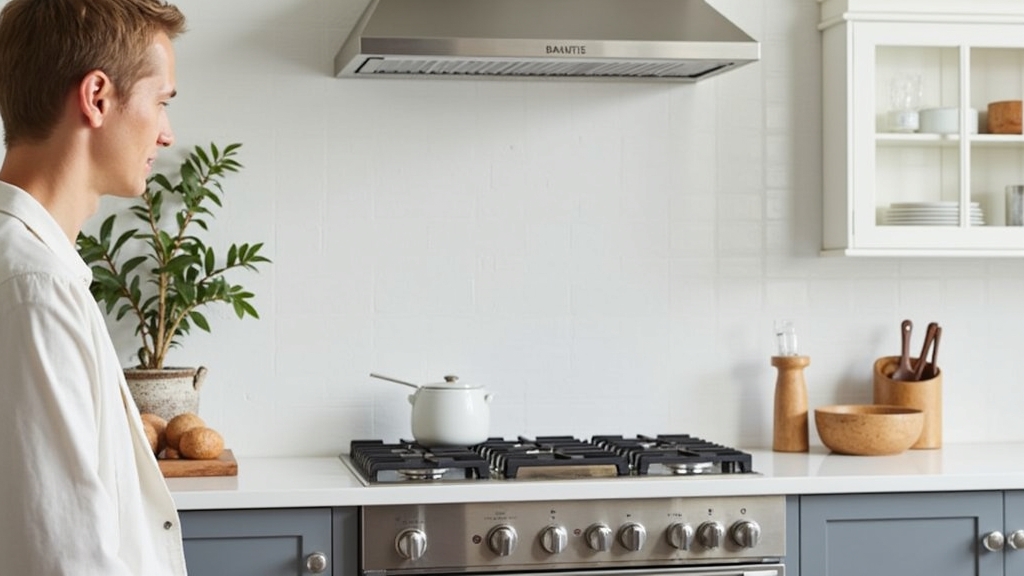
One common mistake is choosing a hood that is exactly the same width as your cooktop. To capture the most effluent, the hood should ideally be 6 inches wider than the cooking surface (3 inches on each side). Another error is installing the hood too high or too low. Most manufacturers recommend a distance of 24 to 30 inches between the cooktop and the bottom of the hood. Too high, and the air escapes; too low, and you risk heat damage to the unit or a fire hazard.
Finally, avoid using flexible foil ducting for vented systems. It creates turbulence and traps grease. Always use smooth-walled rigid metal ductwork for the best airflow and safety.