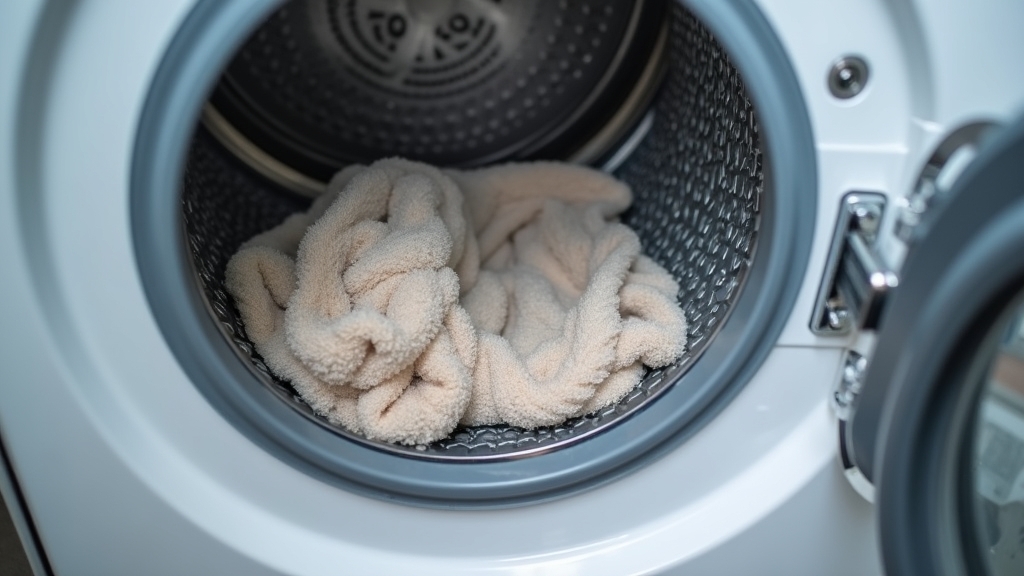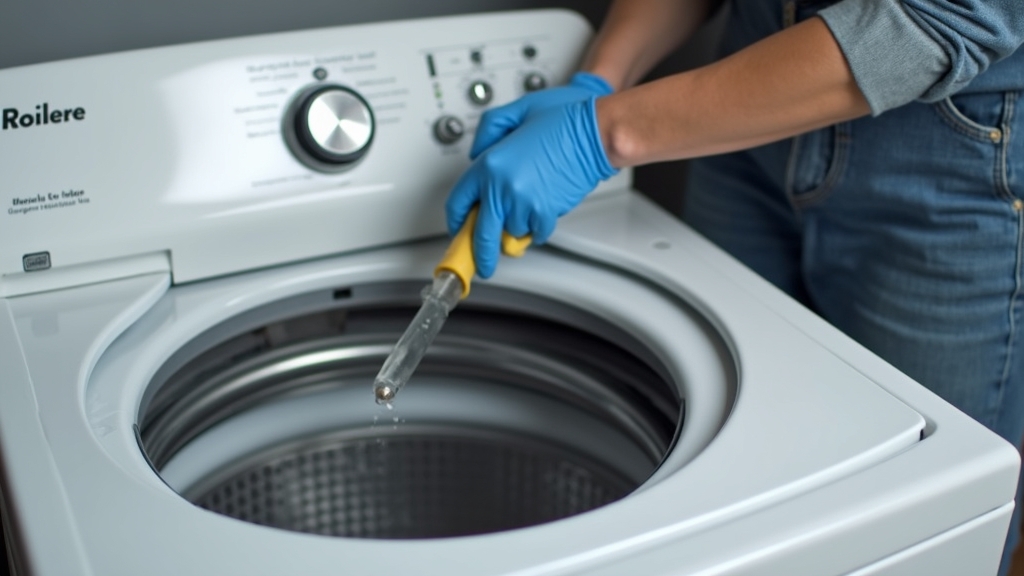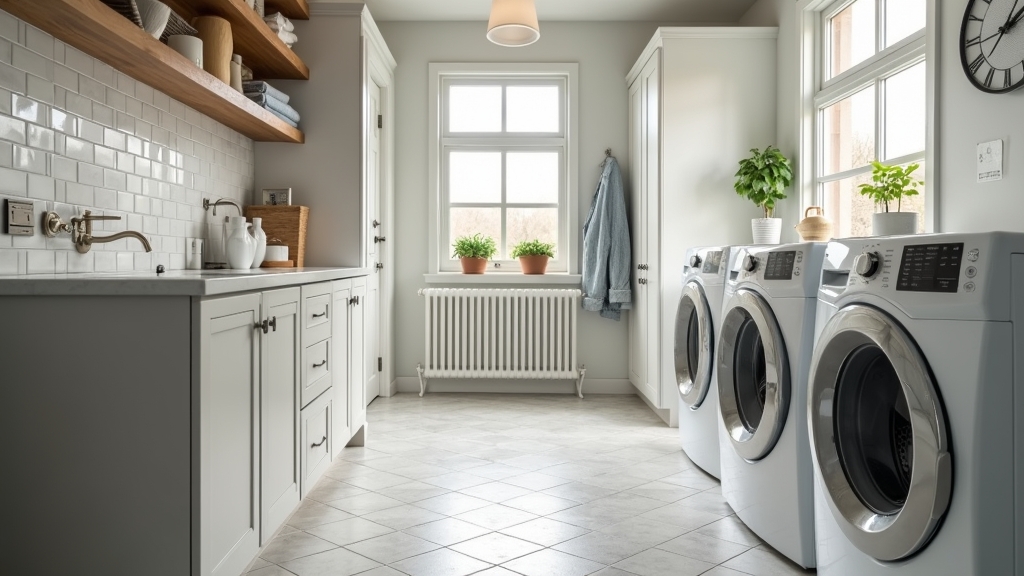
When you’re looking to improve your home’s efficiency, the laundry room is often the first place we look for energy-saving appliances. But here is the thing: the foundation of a truly efficient laundry space starts under your feet. Choosing the wrong laundry room flooring can lead to mold growth, water damage, and even structural issues that cost thousands to repair. As an energy efficiency advisor, I look at flooring through the lens of durability and thermal performance. You want a floor that stands up to heat, humidity, and the occasional flood while keeping your home’s envelope secure.
Common Flooring Mistakes and What to Avoid
Before we dive into the 'how-to', we need to talk about what not to do. Most homeowners treat the laundry room like a small bathroom or a mudroom, but the mechanical stresses here are unique. Now, the important part: a washing machine is essentially a heavy, vibrating box of water. If your floor can't handle those specific stresses, it will fail.
Mistake 1: Installing Solid Hardwood
I see this all the time in open-concept homes. People want the flooring to flow seamlessly from the kitchen into the laundry. On the other hand, solid wood is a disaster waiting to happen in a high-moisture zone. Wood expands and contracts with humidity, leading to warping and rot when the inevitable leak occurs.
Mistake 2: Forgetting Vibration Control
What most people miss is that a high-efficiency washer spins at incredible speeds. If you install a rigid, brittle floor without proper subfloor preparation, those vibrations can actually crack your laundry room tile or loosen the joints in your vinyl plank laundry setup. This not only damages the floor but reduces the lifespan of your appliance.
Mistake 3: Neglecting the Floor Drain
If your laundry room is on the second floor, a waterproof laundry floor isn't just a suggestion; it's a requirement. This is where it gets interesting: many homeowners cover up existing floor drains during renovations because they think they're unsightly. Never prioritize aesthetics over flood prevention.
Tools and Materials Needed for Installation
Whether you are installing Luxury Vinyl Plank (LVP) or ceramic tile, you need the right kit to ensure the job is energy-efficient and water-tight.
- Primary Flooring: LVP, Porcelain Tile, or Sheet Vinyl.
- Moisture Barrier/Underlayment: Specifically designed for high-moisture areas.
- Leveling Compound: To ensure a perfectly flat surface for the washer.
- Vibration Pads: To place under the washer feet.
- Silicone Caulk: For sealing the perimeter.
- Tools: Measuring tape, utility knife (for vinyl) or tile saw (for tile), notched trowel, and a level.
Preparation Steps for a Successful Install
Preparation is where the battle for a durable floor is won or lost. Worth mentioning is that your subfloor condition determines how well your appliances will run. An uneven floor causes the washer to work harder, using more energy and creating more noise.
- Clear the Space: Remove the washer and dryer entirely. This is a great time to clean your dryer vents, which is a major boost for home energy efficiency.
- Check for Moisture: Use a moisture meter to ensure the subfloor is dry. If there is existing rot, it must be replaced now.
- Level the Subfloor: Use a long level to find low spots. Fill them with a self-leveling compound. The best floor for a washer is one that is perfectly horizontal.
- Seal the Perimeter: Apply a waterproof sealant where the floor meets the wall to prevent water from seeping into the wall studs during a leak.
Detailed Step-by-Step Instructions
Step 1: Laying the Vapor Barrier
The good news is that modern underlayments act as both a vapor barrier and a sound dampener. Roll out your underlayment across the entire floor, overlapping the seams by at least six inches and sealing them with waterproof tape. This prevents ground moisture from rising and damaging your new flooring.
Step 2: Starting the Layout
Something to keep in mind: always start your installation from the most visible wall. If you are using vinyl plank laundry options, use spacers against the wall to allow for slight expansion. For laundry room tile, dry-lay a row first to ensure you don't end up with tiny, difficult-to-cut slivers at the edges.
Step 3: Cutting and Fitting
For LVP, a simple score-and-snap with a utility knife works wonders. For tile, you’ll need a wet saw. Ensure that you cut precise holes for any plumbing lines or floor drains. This is where precision prevents future leaks.
Step 4: Securing the Floor
If you’re using a click-lock vinyl, ensure every joint is fully 'clicked' and seated. If you’re tiling, use a high-quality thin-set mortar. Now, the important part: allow the floor to cure completely before moving the heavy appliances back in. Rushing this step is a common recipe for shifted tiles.
Tips for Best Results
- Add Insulation: If your laundry room is over a crawlspace, consider adding floor insulation while the floor is open to improve thermal efficiency.
- Use Large Format Tiles: Fewer grout lines mean fewer places for water to penetrate.
- Anti-Vibration Mats: Even on a perfect floor, an anti-vibration mat under the washer saves wear and tear on both the floor and the machine.
- Color Choice: Opt for neutral, mottled patterns. Solid white or black shows every bit of lint and hair immediately.
Troubleshooting Common Issues
Gaps Appearing in Vinyl: This usually happens if the floor wasn't allowed to acclimate to the room's temperature for 48 hours before install. You can sometimes close these using a floor gap fixer tool.
Cracked Grout: This is a sign of floor deflection (bouncing). If your subfloor isn't stiff enough, the laundry room tile will eventually crack. You may need to reinforce the joists from below or add a layer of cement backer board.
Water Pooling: If water isn't moving toward the drain, your leveling job wasn't quite right. In some cases, you can use a perimeter 'dam' or a specialized laundry tray under the machine to catch minor leaks.
Conclusion
Choosing a waterproof laundry floor isn't just about style; it's about protecting your home and ensuring your appliances run at peak efficiency. By avoiding the common mistakes of using porous materials or ignoring vibration, you create a space that is both beautiful and functional. Remember, the best floor for a washer is one that you don't have to think about once it's installed.