Understanding the Importance of Dryer Lint Maintenance
For many homeowners, cleaning the dryer lint trap is a routine, almost mechanical habit. We pull the screen out, swipe away the fuzzy layer, and move on. However, proper dryer maintenance goes significantly deeper than the surface of the mesh screen. From a sustainable living perspective, a clean dryer is an efficient dryer. When airflow is restricted by lint, your machine must work harder and run longer to dry the same load of laundry, leading to increased energy consumption and premature wear on the appliance's heating element.
Maintaining this component is not just about convenience; it is a critical safety measure and a way to extend the lifespan of your appliance. Taking the time to understand the mechanics of lint accumulation allows you to troubleshoot issues before they lead to hardware failure or safety hazards.
Root Causes and Contributing Factors of Lint Buildup
Lint is essentially a collection of tiny fabric fibers that break off from clothes during the agitation and heating process of a drying cycle. While some lint is inevitable, several factors can lead to excessive accumulation or the development of a sticky residue that traditional cleaning misses.
Fabric Composition and Wear
Natural fibers, particularly cotton and wool, tend to shed more than synthetic materials like polyester or nylon. New towels, flannels, and fleece garments are notorious for producing high volumes of lint during their first few dozen cycles. As fabrics age and the fibers weaken, they become more prone to breaking off, which explains why older wardrobes may seem to produce more debris.
Chemical Residue from Laundry Additives
One of the most overlooked causes of dryer inefficiency is the invisible film left behind by fabric softeners and dryer sheets. These products often contain wax-based or silicone-based softening agents that coat the fibers of your clothes. During the drying process, these chemicals can vaporize and then condense on the fine mesh of the lint screen. Over time, this creates a transparent, waterproof barrier. Even if the screen looks clean to the naked eye, air cannot pass through it effectively, forcing the dryer to overheat.
Overloading the Drum
When a dryer is packed too tightly, air cannot circulate freely between the garments. This lack of movement causes clothes to rub against each other more aggressively, increasing friction and fiber breakage. Furthermore, the restricted airflow prevents the lint from being properly carried into the trap, often causing it to settle in the drum or bypass the screen entirely, entering the internal ductwork.
Immediate Steps for a Deep Clean Lint Screen
If your clothes are taking longer than one cycle to dry, or if the dryer feels excessively hot to the touch, it is time for a deep clean. This process involves more than just removing the visible fluff.
The Water Test
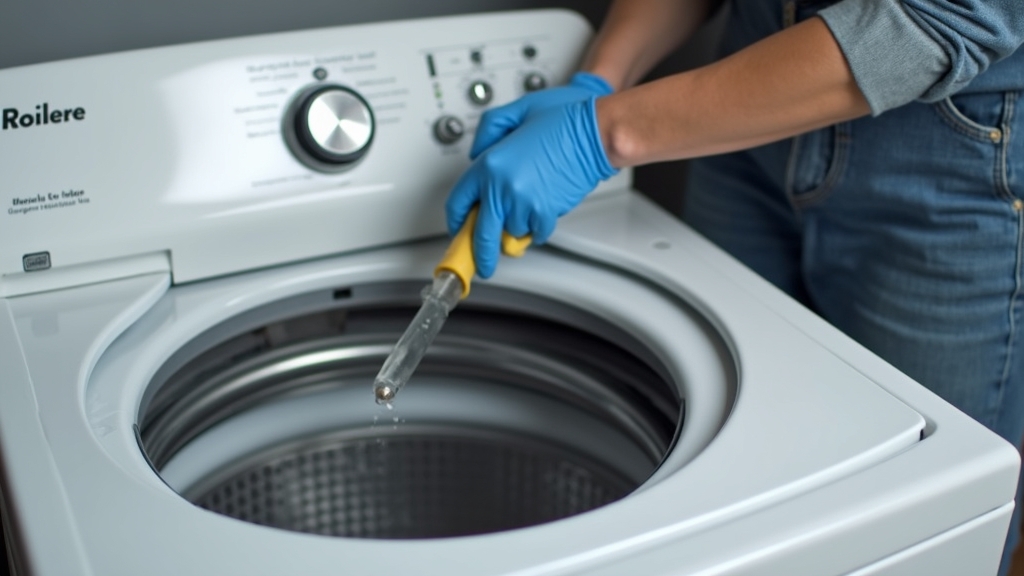
To determine if your lint screen is clogged with chemical residue, perform a simple water test. Take the screen to a sink and pour a small amount of water onto the mesh. If the water beads up or pools instead of flowing straight through, the screen is clogged with wax and oils. This is a clear indicator that airflow is being restricted.
Deep Cleaning the Screen
- Remove the lint screen and vacuum away any loose debris.
- Submerge the screen in a sink filled with warm, soapy water. Use a mild liquid detergent.
- Using a soft-bristled brush (such as an old toothbrush), gently scrub the mesh. This will break down the invisible film left by laundry additives.
- Rinse the screen thoroughly with hot water.
- Pro-tip: Allow the screen to air dry completely before reinserting it. Inserting a wet screen can cause new lint to instantly paste itself to the mesh, creating a fresh blockage.
Cleaning the Lint Trap Housing
Lint often escapes the screen and falls into the housing unit below. Use a long, flexible dryer lint brush or a vacuum attachment to reach into the slot where the screen sits. Carefully remove any accumulated clumps. It is worth doing right the first time, as even a small amount of debris left in the housing can eventually move further into the internal blower wheel.
Long-Term Prevention Strategies
Sustainable dryer maintenance is about reducing the burden on the machine through better habits. Small details matter here, and changing how you wash can significantly impact how often you need to deep clean your dryer.
Rethinking Laundry Additives
To prevent the waxy buildup mentioned earlier, consider alternatives to traditional fabric softeners. Distilled white vinegar added to the rinse cycle can soften clothes naturally without leaving a film on your dryer components. If you prefer using dryer aids, wool dryer balls are an eco-friendly option that helps separate clothes for better airflow without the use of chemicals.
Sorting and Loading Techniques
Sort your laundry not just by color, but by weight and fabric type. Drying heavy towels with lightweight synthetics leads to uneven drying and unnecessary friction. By drying similar fabrics together, you can use more accurate sensor-dry settings, which prevents the machine from overworking and reduces the total amount of lint produced.
Regular Inspection Intervals
Establish a schedule for checking the exterior vent hood. Once a month, ensure that the exterior flap opens freely when the dryer is running. If the flap is stuck or moving slowly, it indicates that lint has bypassed the trap and is clogging the vent line, which creates backpressure and reduces efficiency.
When to Call a Professional
While homeowners can handle the lint screen and its immediate housing, some tasks require professional equipment. If you notice a persistent "burning" smell, or if the deep cleaning of the screen does not improve drying times, there may be a blockage deep within the internal ducting or the transition hose. A professional dryer vent technician can use high-powered vacuums and rotary brushes to clear the entire length of the vent, ensuring your home remains safe and your appliance operates at peak efficiency.