In most homes I have renovated over the last thirty years, the laundry room is often the source of a specific, frustrating problem: a persistent, musty odor emanating from the front-load washing machine. From experience, homeowners often assume the smell is a sign of a mechanical failure or a plumbing issue. However, the real issue usually is the design of the machine itself, which prioritizes water efficiency but creates an environment where moisture and residue can become trapped.
Understanding the Source of the Smell
What I have found is that front-load washers are susceptible to odors because they rely on a heavy-duty rubber gasket—the door seal—to prevent leaks. Unlike top-load machines, where moisture can evaporate more freely, front-loaders are essentially airtight when closed. Over the years, I have learned that the combination of high-efficiency (HE) detergent, fabric softeners, and low-temperature wash cycles creates a "biofilm" or soap scum that clings to the outer drum and the folds of the seal. This biofilm becomes a breeding ground for mold and mildew.
Comparison of Cleaning Methods
When it comes to addressing a moldy washing machine, there are three primary approaches. Each has its strengths and weaknesses depending on the severity of the odor and the age of the machine.
The Natural Acidic Approach
This method involves using common household items like white vinegar and baking soda. The acidity of the vinegar helps break down mineral deposits and light soap scum, while baking soda acts as a mild abrasive and deodorizer.
- Pros: Very low cost, environmentally friendly, and safe for those with skin sensitivities.
- Cons: In my experience, this method is often too weak for heavy mold buildup. Vinegar can also degrade rubber seals if used in excessive concentrations over long periods.
The Oxidizing Bleach Approach
Sodium hypochlorite (liquid bleach) is a powerful disinfectant. This method involves running a hot cycle with bleach to kill mold spores and bacteria on contact.
- Pros: Highly effective at killing biological growth. It is the fastest way to sanitize the internal drum.
- Cons: It does not always penetrate the thick layers of biofilm or soap scum. If the "sludge" remains, the smell will return quickly. Additionally, it cannot be mixed with other cleaners.
The Enzyme-Based Cleaning Approach
This method utilizes specialized cleaning tablets or powders designed specifically for washing machines. These products contain surfactants and enzymes that are engineered to break down the protein and fat-based residues found in detergents and softeners.
- Pros: The key thing to remember here is that these are designed to dissolve the biofilm, not just kill the surface mold. This is often the most effective long-term solution for deep-seated odors.
- Cons: Higher cost per application compared to vinegar or bleach. Requires multiple cycles if the buildup is severe.
Detailed Maintenance Steps
How to Clean the Washer Seal
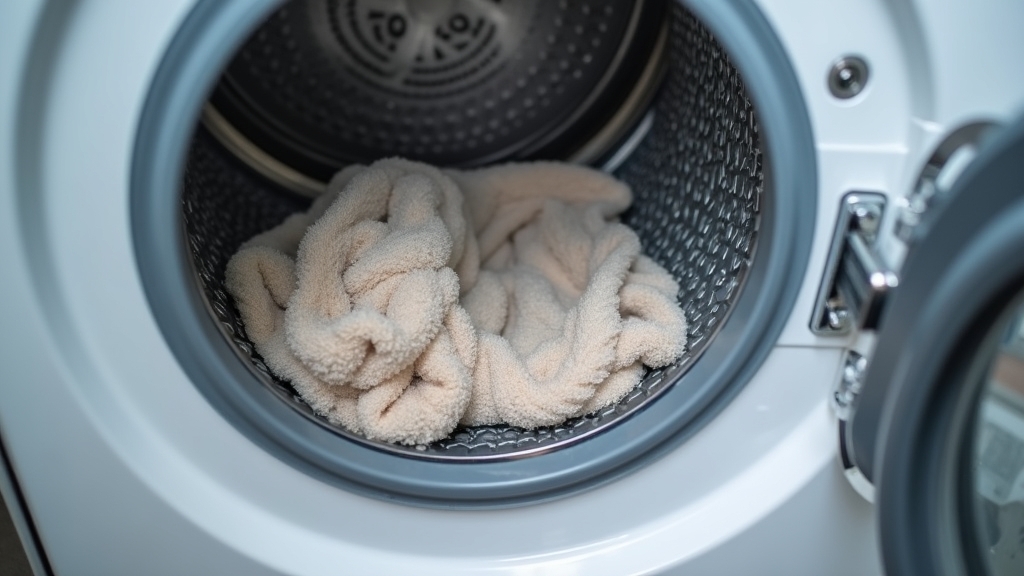
The rubber gasket is the most common culprit for a front load washer smell. One thing many people overlook is the space *behind* the seal. To clean it properly, you must manually pull back the folds of the rubber. Use a soft brush or a microfiber cloth soaked in your chosen cleaning solution to scrub away the gray slime. In severe cases, I have seen mold penetrate the rubber itself, resulting in permanent staining. If the seal is cracked or the mold is embedded within the material, a full replacement of the gasket is the only permanent fix.
Cleaning the Drain Pump Filter
A common situation is that homeowners clean the drum but forget the drain pump filter. Located at the bottom front of most machines, this filter catches lint, hair, and small objects. If left uncleaned, the organic material trapped inside rots in the standing water, sending odors back up into the drum. I recommend checking this monthly.
Cost Comparison
| Method | Estimated Cost | Frequency |
|---|---|---|
| Natural (Vinegar/Soda) | Low ($1 - $2) | Weekly |
| Bleach Sanitization | Low ($2 - $3) | Monthly |
| Enzymatic Cleaners | Moderate ($5 - $15) | Every 30 cycles |
Best Use Cases for Each
What works best depends on your specific situation. If you have a brand-new machine and want to prevent smells, the natural approach used weekly is often sufficient. If you have just moved into a home with an existing machine that smells faintly of mildew, the bleach approach is a great starting point to sanitize the unit.
However, if you have a machine that has been neglected for years and has a strong, pungent odor that transfers to your clothes, the enzyme-based approach is necessary. From my years in the field, I’ve seen that the enzymatic cleaners are the only things that truly strip away the layers of accumulated detergent "wax" where the bacteria thrive.
Final Recommendation
Based on my experience, the best strategy is a combination of methods. Start with a physical cleaning of the seal and the drain filter. Follow this with an enzymatic deep-clean cycle to remove internal buildup. Once the machine is clean, the most important thing you can do—which many people overlook—is to leave the washer door ajar after every single load. This allows the internal components to dry out, preventing the moisture-rich environment that mold requires to grow. Additionally, switching from liquid fabric softeners to white vinegar in the rinse dispenser can significantly reduce the rate of biofilm accumulation.