I’ve spent thirty years on jobsites, from framing luxury homes to fixing the plumbing mistakes of DIYers who thought they could ‘wing it.’ One of the most common complaints I hear from homeowners—usually right after I finish a kitchen remodel—is about their laundry room. Specifically, the washing machine starts taking an eternity to fill up. Here is the thing: a slow filling washer isn't just a nuisance that ruins your Saturday schedule; it’s a symptom that your appliance is working harder than it should, which can lead to a burnt-out motor or a flooded basement.
Understanding the Root Causes
When a washer fills slowly, most people immediately assume the machine is broken and start shopping for a new one. The good news is that about 80% of the time, the problem isn't the machine itself, but the delivery system. Over my three decades in the field, I’ve narrowed the culprits down to three main categories: sediment buildup, mechanical kinks, and house-wide pressure issues.
Sediment and Mineral Buildup
This is the most common issue I see, especially in areas with hard water. Inside your water inlet valve, there are tiny mesh screens. These are designed to catch sand, grit, and rust before they get into the delicate internal components of the washer. Over time, these screens get clogged. Now, the important part: even if you have a whole-house filter, fine minerals like calcium can still build up and create a crust that acts like a dam.
Kinked Supply Hoses
It sounds simple, but you’d be surprised how often a heavy machine gets pushed back too far against the wall. This is where it gets interesting: rubber hoses can weaken over time. When they get warm from the hot water cycle, they soften. If they are bent at a sharp angle, that heat causes them to collapse further, effectively throttling your water flow. Something to keep in mind is that a kinked hose is a ticking time bomb for a burst pipe.
Water Inlet Valve Failure
If your screens are clean and your hoses are straight, the solenoid inside the water inlet valve might be failing. These are electrical components that open and close to let water in. If the electrical coil is weak, the valve won't open fully. What most people miss is that these valves can fail partially—they don't always just stop working entirely; sometimes they just ‘whisper’ water into the tub instead of screaming it.
Immediate DIY Steps to Restore Flow
Before you call a plumber and pay a $150 service fee just for them to show up, try these steps. Worth mentioning: always unplug the machine and turn off the water taps at the wall before you start poking around.
Step 1: Check Your Faucets
Check the shut-off valves at the wall. Sometimes they get bumped and partially closed. Turn them both (hot and cold) all the way off and then all the way back on. On the other hand, if you have old gate valves (the ones with the round handles), they can sometimes break internally in the 'closed' position even if the handle turns.
Step 2: Inspect and Clean Inlet Screens
This is the ‘Contractor’s Special’ fix because it works so often. Disconnect the hoses from the back of the machine. Look inside the holes where the hoses were attached. You’ll see small plastic or metal mesh screens.
- Use a pair of needle-nose pliers to gently pull the screens out.
- Clean them with an old toothbrush and some white vinegar to dissolve calcium.
- If they are torn, replace them. Never run the machine without them.
Step 3: Test the Hoses
With the hoses disconnected from the washer, put the ends into a 5-gallon bucket and turn the wall faucets on briefly. If the water comes out in a strong, steady stream, the problem is inside the machine. If the flow is weak coming out of the hose, the problem is in your plumbing or the hose itself.
Long-Term Prevention Strategies
In my 30 years, I’ve learned that maintenance is cheaper than repair. If you want to stop the "washer fills slowly" cycle from happening every year, you need to be proactive.
Upgrade to Stainless Steel Braided Hoses
Throw those black rubber hoses in the trash. Here is the thing: rubber hoses are prone to kinking and bursting. Stainless steel braided hoses are reinforced and much harder to kink. They also have a longer lifespan and provide better peace of mind against floods.
Install a Water Softener
If you find yourself cleaning those inlet screens every six months, you have hard water. That hardness isn't just affecting your washer; it's eating your water heater and dishwasher too. Installing a water softener is a big-picture fix that solves the problem at the source.
Periodic Valve Cycling
Once or twice a year, turn your supply valves off and on a few times. This prevents mineral deposits from ‘seizing’ the valve in place. This is where it gets interesting: a valve that is never moved will eventually fail right when you need it most—like during a leak emergency.
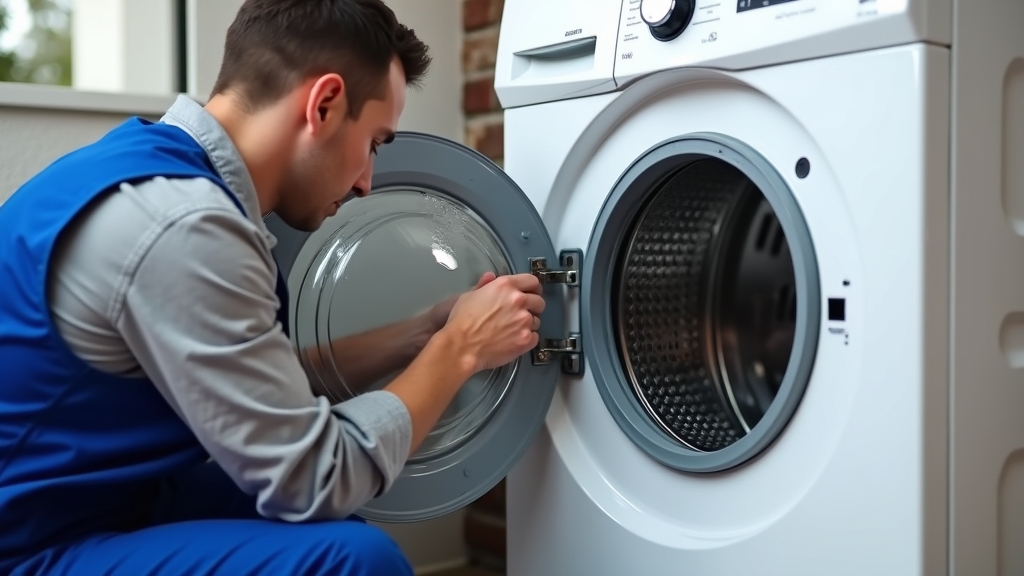
When to Call a Professional
I’m all for DIY, but a smart contractor knows when a job requires a specialist. You should call a pro if:
- The Water Inlet Valve needs replacement: If you've cleaned the screens and the flow is still slow, you likely need a new valve. If you aren't comfortable working with internal wiring and removing the machine's back panel, call an appliance tech.
- Low Pressure Throughout the House: If the kitchen sink and the shower also have low pressure, you might have a failing Pressure Reducing Valve (PRV) on your main water line. That’s a job for a licensed plumber.
- Electrical Issues: If the machine won't fill at all or fills intermittently, it could be a fault in the main control board or a water level pressure switch.
The Contractor's Bottom Line
A washing machine that fills slowly is usually screaming for a simple cleaning. Before you panic and call for a replacement, spend 20 minutes checking your screens and hoses. More often than not, a little bit of vinegar and a pair of pliers are all you need to get your laundry room back in business. Take care of your machines, and they’ll take care of your clothes.