Why Your Washing Machine Smells Like Mildew or Eggs
It is one of the great ironies of home maintenance: the very appliance designed to clean your clothes can become the primary source of foul odors in your home. As an energy efficiency advisor, I often see homeowners cranking up their water temperatures or running extra rinse cycles to compensate for a smelly washer. This not only wastes energy and water but often fails to address the root cause of the problem. A smelly washing machine isn't just a nuisance; it’s an indicator of bacterial growth and inefficiency that can eventually lead to mechanical failure.
The Biofilm Factor
The primary culprit behind that persistent damp, swampy smell is biofilm. This is a thin, resilient layer of bacteria, mold, and fungi that adheres to the internal surfaces of your machine. Biofilm thrives in the presence of moisture and nutrients. In your washer, those nutrients come from skin cells, body oils, and organic matter washed off your clothing. When this sludge builds up behind the drum or in the hoses, it emits gases—often smelling like rotten eggs or wet towels—that permeate your laundry room and your clothes.
Low-Temperature Washing Issues
In our quest to be more energy-efficient, many of us have switched almost exclusively to cold-water cycles. While this is excellent for reducing energy consumption, it has a hidden side effect. Cold water does not effectively dissolve modern liquid detergents or fabric softeners, nor does it kill the bacteria introduced by dirty laundry. Over time, these undissolved products combine with minerals in your water to create 'scrubbing'—a waxy residue that acts as a breeding ground for mold. To maintain an efficient machine, you must occasionally balance cold cycles with maintenance heat.
Fabric Softener and Detergent Overload
More is not better when it comes to laundry products. Modern high-efficiency (HE) machines use very little water. If you use the amount of detergent recommended for an old-style agitator machine, or if you use liquid fabric softeners liberally, the excess has nowhere to go. It coats the outer drum, which you cannot see, creating a sticky coating that traps lint and debris. This coating is the perfect substrate for black mold growth, particularly in the dark, damp environment of a front-loading machine.
Immediate Steps to Sanitize a Smelly Washer
If you are currently dealing with a moldy washer gasket or a drum that reeks, you need to perform a deep intervention. Taking your time with these steps is essential; a quick wipe-down won't reach the hidden areas where the smell originates.
Deep Cleaning the Door Gasket and Seal
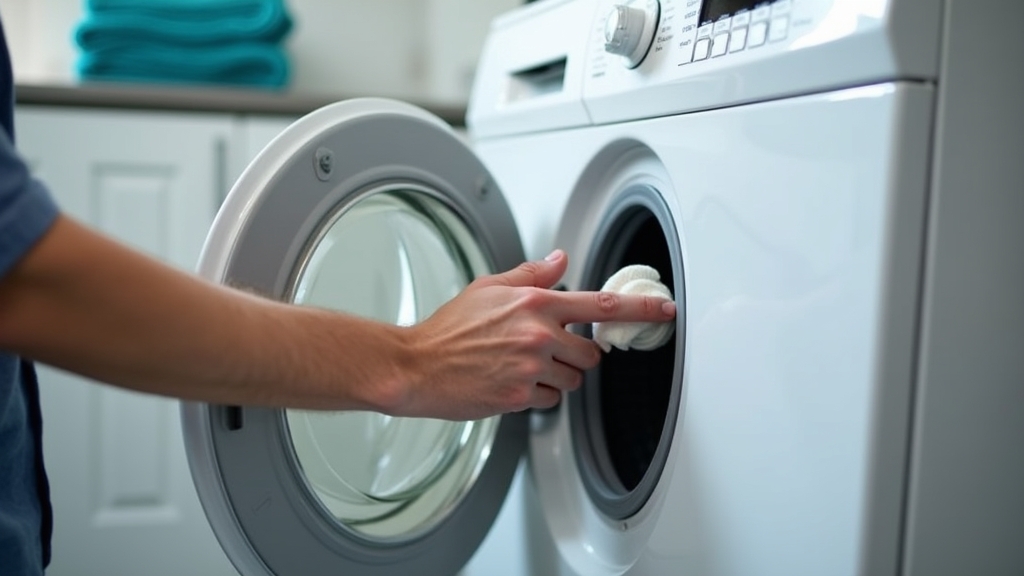
In front-loading machines, the rubber door gasket is the most common site for visible mold. Pull back the folds of the rubber carefully. You will likely find a mixture of gray slime, hair, and perhaps even lost coins or buttons. Use a solution of equal parts white vinegar and water or a diluted bleach solution to scrub these folds. Pay special attention to the 'weep holes'—the small drainage holes at the bottom of the gasket. If these are clogged, water sits in the seal after every wash, ensuring that mold will return within days.
Clearing the Drain Pump Filter
Many homeowners are unaware that their washing machine has a filter that needs regular cleaning. Usually located behind a small door at the bottom front of the machine, this filter catches lint, hair, and small objects before they reach the drain pump. When this filter becomes clogged, the machine cannot drain fully, leaving stagnant, bacteria-rich water to sit in the bottom of the tub. Before opening this, place a shallow tray and towels on the floor, as a significant amount of smelly water will likely spill out. Clean the filter thoroughly under running water and check the housing for any trapped debris.
Scrubbing the Detergent Dispenser Drawer
The drawer where you pour your soap and softener is a prime location for black mold. Most drawers can be completely removed by pressing a small release lever inside. Once removed, you will likely see a buildup of slime on the top and back of the drawer housing. Use an old toothbrush to reach into the crevices where the water jets enter the drawer. This is a small detail that matters significantly, as every drop of water for your 'clean' wash passes through this area first.
Executing a High-Heat Sanitization Cycle
Once the physical components are scrubbed, you must address the internal plumbing. Run a 'Clean Washer' cycle if your machine has one. If not, select the longest, hottest cycle available—often labeled as 'Sanitize' or 'Heavy Duty.' Instead of detergent, use either a specialized oxygen-based cleaner or two cups of white vinegar poured directly into the drum. The heat is vital here; it softens the accumulated biofilm and allows the cleaning agent to strip it away from the outer drum. Do not put clothes in during this cycle; the goal is to clean the machine itself.
Long-Term Prevention Strategies for a Fresh Laundry Room
Preventing the return of odors is easier and more cost-effective than a deep clean. It requires a shift in how you interact with your appliance daily. Trust your instincts—if a load of laundry smells slightly 'off,' it is time for a maintenance check.
The Open-Door Policy
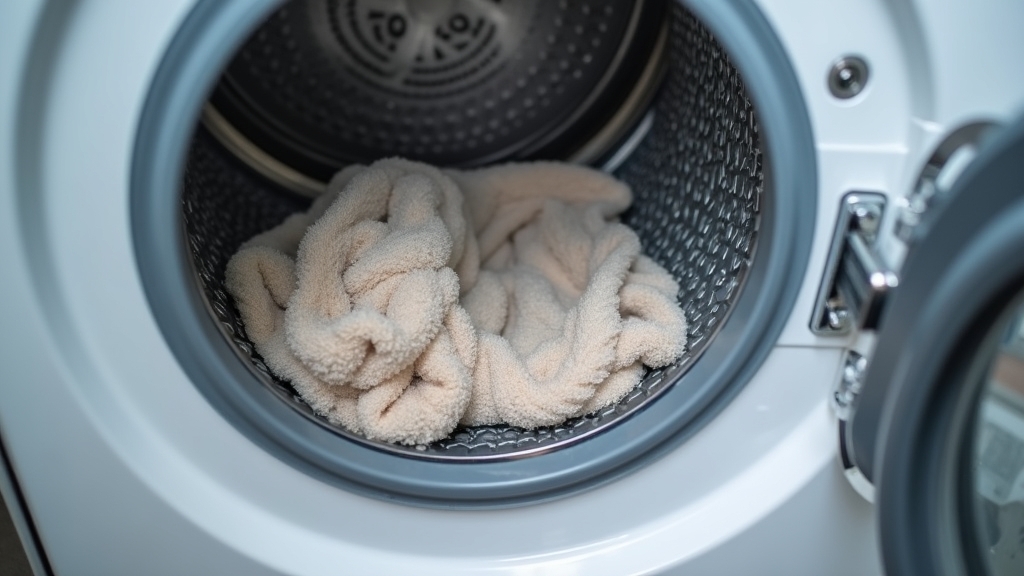
The single most effective thing you can do to prevent a smelly washer is to leave the door and the detergent drawer ajar after every single use. Modern machines are designed with airtight seals to prevent leaks, but this also seals in moisture. By leaving the door open, you allow the interior components to dry out completely, which halts the growth of mold and mildew. If you have small children or pets, you can find door props that keep the door cracked open just enough for airflow without being a safety hazard.
Optimizing Your Detergent Usage
Switching to powder detergent can often solve odor problems. Powder detergents are generally more abrasive and have a different chemical makeup than liquids, which helps them 'scrub' the outer drum during the wash cycle. Regardless of the type you choose, use the minimum amount necessary. For an HE machine, two tablespoons of detergent is usually more than enough for a standard load. If you see suds remaining on the glass door during the rinse cycle, you are using too much.
Monthly Maintenance Routine
Incorporate a monthly 'service wash.' Once a month, run a high-heat cycle (at least 140°F or 60°C) with no laundry. This acts as a preventative strike against biofilm. Additionally, wipe down the door seal with a dry cloth after your last load of the day. This takes thirty seconds but removes the standing water that leads to the moldy washer gasket issues so many people face.
When to Call a Professional Repair Technician
Sometimes, despite your best efforts at cleaning, the smell persists. This usually indicates that the buildup is so severe that it has moved into areas you cannot reach, such as the back of the spider arm (the part that holds the drum) or deep within the internal drainage hoses. If you notice a loud banging sound during the spin cycle along with a foul odor, the spider arm may be corroded by 'scrubbing' and soap scum. At this point, a professional is needed to disassemble the machine. Additionally, if you smell burning or electrical odors, stop use immediately and call a technician, as this indicates a mechanical or electrical failure rather than a biological one.