Stopping the Shake: A Professional Approach to Laundry Room Peace
In my thirty years of building and renovating homes, I have seen a lot of laundry rooms. I have seen floors buckled by moisture and drywall cracked by machines that seem determined to march right out the front door. A vibrating washing machine isn't just a noisy nuisance; it is a mechanical stress test for your home’s plumbing and structure. Here is the thing: most people assume a 'walking' washer is just part of the appliance's personality. In reality, it is usually a symptom of a setup error or a floor that isn't quite up to the task.
Now, the important part to understand is that high-efficiency modern washers spin at much higher RPMs than the machines we grew up with. While they save water, they generate significantly more centrifugal force. If that force isn't directed straight into the ground, it turns into vibration. The good news is that most vibration issues can be solved in about thirty minutes with basic tools and a bit of patience.
Tools and Materials Needed
Before you start pulling the machine away from the wall, gather these items:
- A carpenter’s level (at least 2 feet long is best)
- An adjustable wrench or pliers
- A flashlight
- A piece of 3/4-inch marine-grade plywood (optional, for weak floors)
- Vibration dampening pads (high-density rubber)
- A helper (to help tilt or move the machine)
Preparation Steps
Safety is the priority here. Always unplug the machine and turn off the water valves before you start tinkering with the positioning. You do not want to pull a hose loose while the water is under pressure. Also, make sure the machine is empty. Trying to level a machine with a half-load of wet towels inside is a recipe for frustration because the weight distribution will be constantly shifting.
Addressing the Unbalanced Load Fix
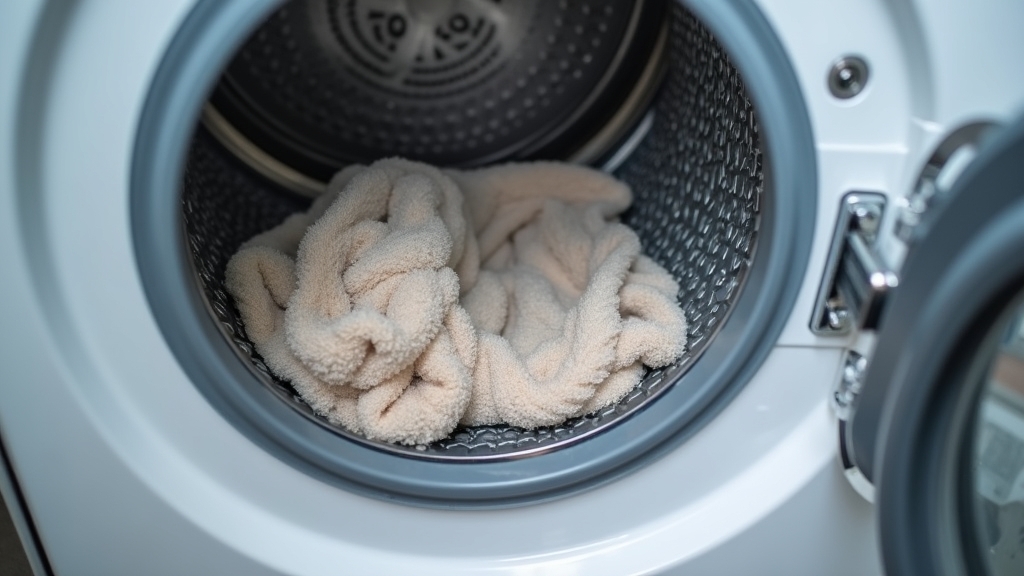
What most people miss is that the vibration often starts inside the drum before it ever reaches the floor. If you are washing a single heavy rug or a massive comforter, the machine cannot distribute that weight evenly during the spin cycle. This creates an 'unbalanced load.' Most modern machines will try to recorrect this by stopping and starting, but if it persists, the machine will shake violently.
This is where it gets interesting: sometimes 'more' is actually better. If you are washing one heavy item, add a few towels to help the machine balance the weight around the perimeter of the drum. Avoid 'clumping' clothes in one spot; instead, drop them in loosely around the central agitator or the drum's rear.
Leveling a Washer the Right Way
If your machine is balanced but still shaking, the culprit is almost certainly the feet. A washing machine must be perfectly level both front-to-back and side-to-side. If one foot is even an eighth of an inch off the ground, the machine will rock, and that rocking turns into 'walking' during the spin cycle.
The Level Test
Place your level across the top of the machine from left to right. Then, check it from front to back. Do not assume the lid is flat; many modern machines have curved lids. It is often better to check the level along the top edges of the cabinet. Worth mentioning: if your floor is sloped for a floor drain, you will have to compensate for that slope by extending the downhill feet further than the uphill ones.
Adjusting the Feet
Most machines have adjustable threaded legs with a locking nut. Use your wrench to loosen the locking nut, then turn the foot clockwise to shorten it or counter-clockwise to lengthen it. Once the level bubble is dead center in both directions, tighten that locking nut back up against the frame of the machine. If you forget to tighten the locking nut, the vibration will eventually cause the foot to unscrew itself again.
Vibration Dampening Pads and Floor Stability
Sometimes the machine is level, and the load is balanced, but the house still shakes. This is common in homes where the laundry room is on the second floor. Wood joists have a natural 'flex' that concrete slabs do not. When the washer hits its peak RPM, it can match the resonant frequency of your floor joists.
On the other hand, if you are on a concrete slab and it's still noisy, the vibrations are likely reflecting back into the machine. This is where vibration dampening pads come in. These are thick, heavy-duty rubber pucks that sit under the feet. They absorb the high-frequency energy before it hits the floor. Something to keep in mind: do not use soft foam pads. You need high-density rubber that won't compress flat under the weight of the machine.
The Plywood Solution
If your floor is particularly 'bouncy,' there is a contractor's trick I've used many times. Cut a piece of 3/4-inch plywood to fit the footprint of both your washer and dryer. Screw this plywood directly into the floor joists. This creates a much larger, more rigid 'mass' that is harder for the machine to move. It essentially ties the machine to more of the house’s structure, spreading the vibration out over a larger area.
Troubleshooting Common Issues
If you have leveled the machine and the floor is solid, but the shaking is getting worse, you might be looking at a mechanical failure. Here are the three most common culprits:
- Transit Bolts: If the machine is brand new and shaking so hard it looks like it's going to explode, check the back. New machines come with 'shipping bolts' or 'transit bolts' that hold the drum in place during transport. If you don't remove these, the internal suspension cannot do its job.
- Shock Absorbers: Front-load washers have internal shock absorbers that dampen the drum's movement. Over time (usually 5-10 years), these wear out. If you can push the drum down and it bounces more than once, your shocks are likely shot.
- Suspension Springs: These hold the tub from the top. If one snaps, the tub will sit crookedly and hit the sides of the cabinet during the spin cycle.
Tips for Best Results
To keep your machine quiet for the long haul, make it a habit to check the level once a year. Houses settle, and the constant vibration of the machine can slowly shift its position. Also, keep the floor under the machine clean and dry. A bit of spilled detergent can act like a lubricant, making it much easier for the rubber feet to slide across the floor. Finally, always ensure the machine is 'plumb'—not just level on top, but standing straight up. If it leans forward, the weight of the water and clothes will put unnecessary stress on the front bearings and the door seal.