Why a Utility Sink is the Workhorse of Your Home
In my thirty years of building homes, I’ve seen many trends come and go, but the utility sink—or 'slop sink' as we used to call it—remains a non-negotiable for a functional house. Whether you are washing paintbrushes, soaking muddy sports gear, or bathing a small pet, a standard kitchen or bathroom sink simply won't cut it. Take your time with this project. It is worth doing right the first time because a leak in the laundry room can cause thousands of dollars in water damage before you even notice it.
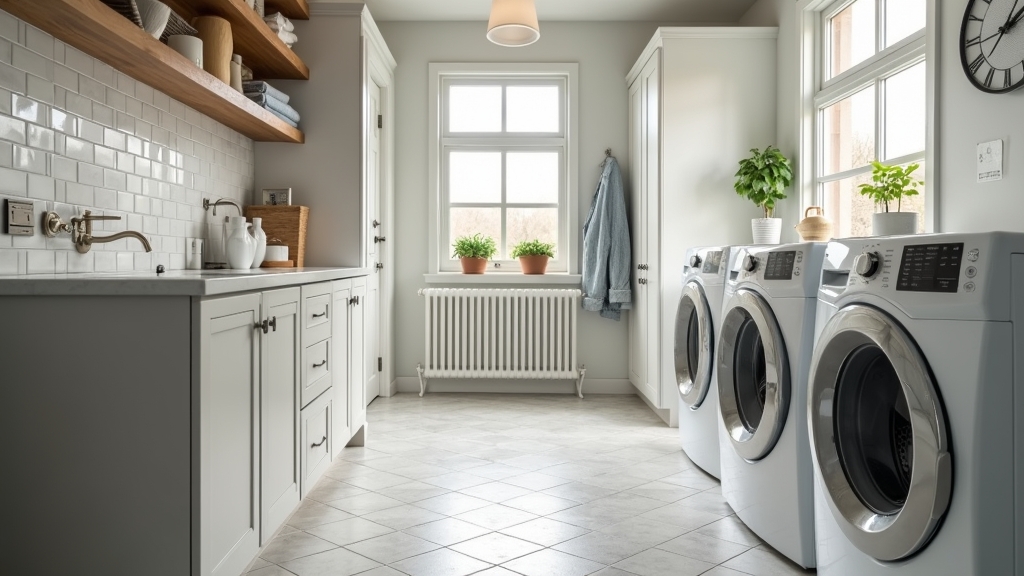
Adding a sink to a laundry room involves more than just setting a basin on the floor. You have to consider your existing plumbing layout, the floor material, and how you intend to use the space. This guide compares the three most common installation methods to help you decide which one fits your home and skill level.
Option 1: Freestanding Laundry Tubs
The freestanding tub is the classic contractor choice. These are usually made of heavy-duty polypropylene and sit on four steel legs. They are rugged, deep, and relatively inexpensive.
Pros of Freestanding Tubs
- Durability: These sinks handle harsh chemicals and heavy impacts without chipping.
- Cost: This is the most budget-friendly way to add a sink to a laundry room.
- Easy Access: The open base makes it very easy to reach the P-trap and supply lines for maintenance.
Cons of Freestanding Tubs
- Aesthetics: They aren't pretty. If your laundry room is a high-traffic area, you might find them eyesores.
- Stability: If not bolted to the floor, they can wobble when filled with water.
- Storage: You lose the opportunity for under-sink storage.
Option 2: Wall-Mounted Utility Sinks
A wall-mounted sink hangs directly from the wall studs. This creates a clean look and leaves the floor completely clear, which is great for small rooms or areas where you need to mop frequently.
Pros of Wall-Mounting
- Floor Space: You can slide a laundry basket or a small trash can directly underneath the sink.
- Custom Height: You aren't limited by the length of legs. You can set the rim height exactly where it’s comfortable for your back.
Cons of Wall-Mounting
- Complex Installation: You must secure the sink to the framing. If you don't have studs in the right spot, you'll need to open the wall and add wood blocking. Trust your instincts on this one—if the wall feels flimsy, do not hang a full sink on it.
- Weight Limits: A full 20-gallon sink weighs over 160 pounds. If the mounting bracket fails, it can rip the plumbing right out of the wall.
Option 3: Cabinet-Style Vanity Sinks
If your laundry room is part of a finished mudroom or a high-end renovation, a cabinet-style sink is the way to go. These look like bathroom vanities but feature deeper basins and sturdier faucets.
Pros of Cabinet Installations
- Storage: You can hide your detergents, bleach, and scrub brushes behind closed doors.
- Finished Look: It makes the laundry room feel like a deliberate part of the home’s design.
- Stability: The weight of the cabinet provides a solid base for the sink.
Cons of Cabinet Installations
- Price: These are significantly more expensive than basic tubs.
- Moisture Risk: Standard particle-board cabinets can swell and rot if the laundry room is consistently humid or if a small leak goes unnoticed.
Plumbing Essentials: What You Need to Know
Regardless of the sink you choose, the plumbing fundamentals remain the same. Small details matter here. Most laundry rooms already have a standpipe for the washing machine. You can often tie into this drain line, but you must ensure the sink has its own P-trap to prevent sewer gases from entering your home.
When connecting the water lines, I always recommend installing dedicated shut-off valves (angle stops). If your faucet ever fails, you won't have to shut off the water to the entire house just to fix it. Use braided stainless steel supply lines rather than rigid plastic; they are much more forgiving and less likely to burst under pressure.
Cost Comparison
Here is a rough breakdown of what you can expect to spend on materials for each setup:
- Freestanding Tub: $100 - $250 (includes sink, legs, and basic faucet).
- Wall-Mount Sink: $150 - $400 (includes sink, mounting hardware, and plumbing).
- Cabinet Setup: $400 - $1,200+ (includes cabinet, sink, faucet, and hardware).
Best Use Cases for Each Option
Choose a freestanding tub if you have an unfinished basement or garage and value function over form. It’s the best choice for heavy-duty tasks like cleaning mower parts or greasy tools.
Opt for a wall-mounted sink if your laundry room is cramped. Removing the legs makes a 5x7 room feel much larger. It’s also ideal for homeowners who want a specific ergonomic height to avoid leaning over.
Go with a cabinet-style sink if your laundry room is located on the main floor or near the kitchen. This setup adds resale value to the home and keeps the room looking organized.
Final Recommendation
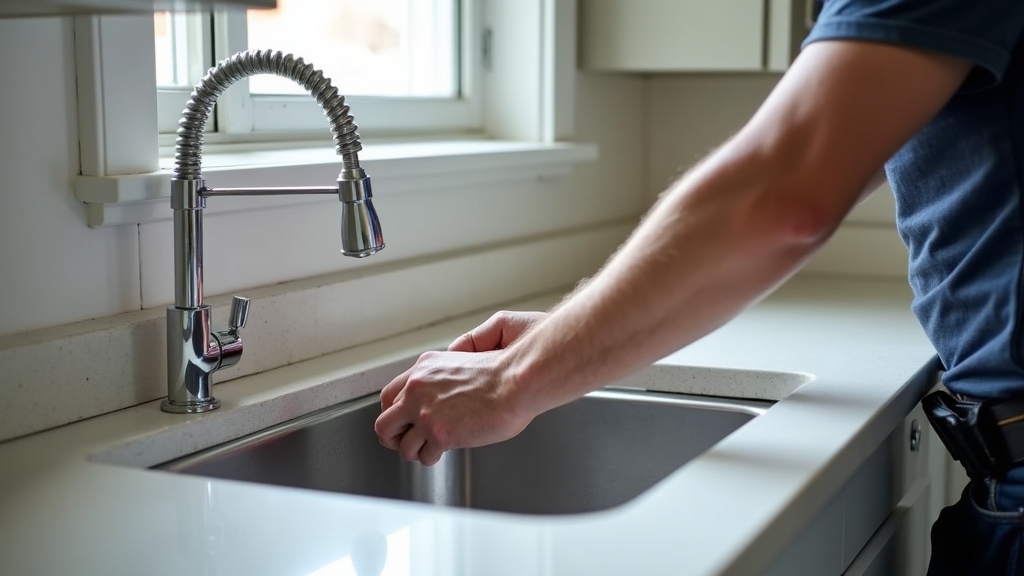
If you are doing this yourself, I recommend the freestanding tub with a pull-out sprayer faucet. It is the most forgiving installation for a DIYer. Do not rush the process of leveling the legs. A sink that isn't level won't drain properly, leading to sediment buildup and odors. Use a high-quality silicone caulk to seal the faucet to the sink deck; this prevents water from dripping into the space below.
Remember, the goal isn't just to get water into the sink—it's to make sure it stays there and goes down the drain without a fuss. Take your time, double-check your connections, and you'll have a utility sink that serves you for the next thirty years.