The Problem with Modern Laundry Habits
In most homes I’ve renovated over the last thirty years, the laundry room is the first place where organizational systems break down. People often view laundry as a single chore, but from experience, I can tell you it is actually a logistics problem. When you treat every piece of clothing as part of one giant pile, you create bottlenecks that lead to damaged fabrics, lost time, and a general sense of domestic chaos. The real issue usually isn't a lack of effort; it is a lack of infrastructure. Without a dedicated system for laundry hamper organization, the floor becomes the default sorting ground, leading to moisture issues, tripping hazards, and an inefficient workflow.
Root Causes of Laundry Room Inefficiency
Before we can fix the flow, we have to understand why the current setup is failing. Over the years, I have learned that most laundry problems stem from three specific areas: physical constraints, psychological friction, and poor sorting criteria.
Inadequate Spatial Planning
What many people overlook is the 'drop zone.' When a family member enters the laundry area with a full basket, they need a clear place to put it. If the counters are covered in clutter and the floor is full of loose socks, the basket gets dumped wherever there is space. In my experience, most laundry rooms are designed for the machines first and the human beings second. If you haven't accounted for the square footage needed to actually sort the clothes, the system will fail regardless of how many hampers you buy.
The Single-Hampers Syndrome
A common situation is the use of one large, deep hamper in each bedroom. This forces the sorting process to happen at the machine. By the time the clothes reach the laundry room, they are a tangled mess of whites, darks, and delicates. Sorting at the point of washing is the least efficient way to work because it requires multiple handlings of the same dirty garment. The goal should be to move the sorting process as close to the point of 'undressing' as possible.
Environmental Factors
From a contractor's perspective, I’ve seen how moisture and ventilation play a role. When dirty, damp towels are mixed with dry cotton shirts in a single unventilated bin, you create a breeding ground for mildew. This doesn't just make the clothes smell; it can actually damage the drywall and cabinetry in the laundry room over time if the air isn't circulating properly. Sorting dirty clothes isn't just about aesthetics; it’s about preserving your home’s interior environment.
Immediate Steps to Improve Sorting
If your laundry room feels like a war zone, you don't need a full remodel to start seeing results. What works best is a phased approach that addresses the immediate backlog while setting up a better flow.
Implement a Multi-Compartment Hamper
The first thing I recommend to clients is switching to a multi-compartment hamper. Instead of one cavernous hole, use a system with at least three distinct sections. This allows for immediate categorization—typically whites, darks, and colors or towels. By pre-sorting at the moment the item is discarded, you eliminate the need for the 'great floor sort' later in the week. This single change can cut laundry time by twenty percent.
Clear the Counters
In many of the homes I built, I installed deep counters specifically for folding. However, these often become a graveyard for miscellaneous household items. To get your sorting system working, you must reclaim the flat surfaces. If you don't have a counter, a sturdy folding table can serve as your staging area. You need a dedicated space to inspect garments for stains or repairs before they hit the water.
Establish Labels
It sounds simple, but clear communication is the key thing to remember. If you share a home with others, everyone needs to know the rules of the system. Labeling each bin—not just with words, but with color-coded markers if necessary—ensures that the 'dark' bin doesn't end up full of bleach-safe towels. This prevents the frustration of having to re-sort someone else's mistakes.
Long-Term Prevention Strategies
Building a lasting system requires looking at the laundry process as a continuous loop. What I have found is that the most successful systems are integrated into the home’s architecture and the family’s daily rhythm.
Zoning the Laundry Room
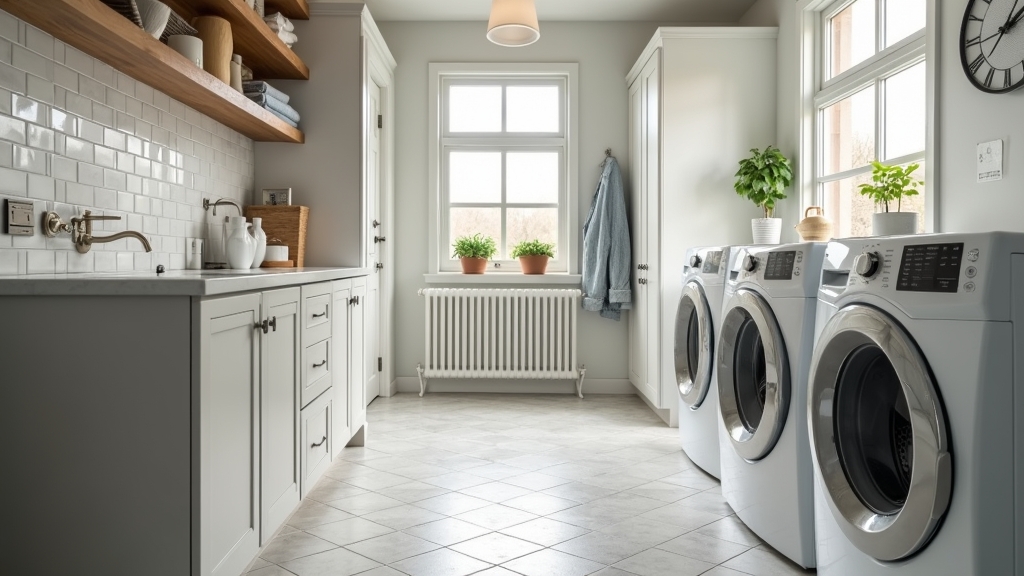
In my professional opinion, a well-designed laundry room should have four distinct zones: the Drop Zone, the Sorting Zone, the Washing Zone, and the Drying/Folding Zone. When I design custom cabinetry, I ensure that the sorting bins are located directly beneath or adjacent to the primary drop-off point. This prevents cross-traffic and keeps the workflow moving in one direction: from dirty to clean.
Choosing Durable Materials
One thing many people overlook when setting up a laundry sorting system is the durability of the containers. Plastic bins are easy to clean but can crack under heavy loads. Wicker looks nice but catches on delicate fabrics and can hold onto odors. I’ve found that heavy-duty canvas liners on a rolling metal frame are the gold standard for long-term use. They are breathable, washable, and mobile, allowing you to bring the hamper to the machine rather than carrying heavy loads across the room.
Managing the 'In-Between' Items
Not everything fits into a simple light/dark category. To prevent the system from breaking down, you need a strategy for 'in-between' items like dry-clean-only garments, hand-wash items, or rags used for cleaning. Dedicated, smaller bins for these outliers prevent them from getting lost in the main wash and potentially ruined.
When to Call a Professional
While most sorting issues can be handled with better habits and bins, sometimes the physical space is the true bottleneck. If you find that you physically cannot fit a multi-compartment hamper in your space without blocking a doorway or an appliance, it might be time to call a contractor. A professional can help with:
- Relocating plumbing or venting to create a more functional layout.
- Installing custom pull-out hampers within existing cabinetry.
- Adding reinforced shelving to handle the weight of multiple sorting bins.
- Improving ventilation and lighting to make the space more usable and prevent mold.