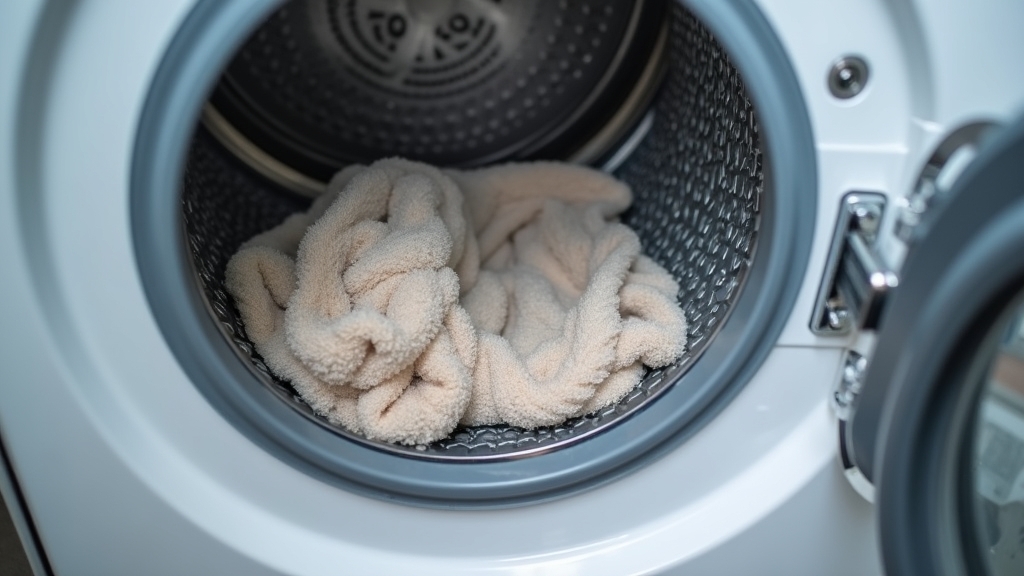
Why Your Washing Machine Won't Stay Still
In most homes, the laundry room is supposed to be a place of utility and efficiency, but a vibrating washing machine can quickly turn it into a source of stress. When a machine starts 'walking' across the floor or creating a deafening racket during the spin cycle, it isn't just a nuisance; it can actually cause structural damage to your flooring and the machine's internal components. From experience, I have found that homeowners often assume their machine is simply old or broken, when the real issue usually is a matter of improper installation or a lack of minor maintenance.
The Physics of the Spin Cycle
To fix the problem, it helps to understand why it happens. A washing machine drum spins at incredibly high speeds—often over 1,000 RPMs—to extract water from clothes. If the weight inside that drum isn't perfectly distributed, or if the machine itself isn't sitting firmly on the ground, that centrifugal force translates into vibration. What works best is identifying whether the movement is coming from inside the machine, the way it sits on the floor, or the floor itself.
Common Causes of a Vibrating Washing Machine
Before you start buying expensive accessories, you need to diagnose the root cause. In my experience, most shaking issues stem from one of four common factors.
Unbalanced Loads
A common situation is trying to wash a single heavy item, like a bath mat or a large comforter, on its own. When the machine enters the spin cycle, that heavy, water-soaked item clumps on one side of the drum. This creates a massive weight imbalance. Alternatively, washing too many items at once prevents them from redistributing properly, leading to the same result.
The Machine is Not Level
One thing many people overlook is that floors are rarely perfectly flat, especially in older homes or unfinished basements. If one corner of the machine is even a few millimeters higher than the others, the unit will rock back and forth. This movement accelerates during the spin cycle, causing the washer to 'walk' away from the wall.
Shipping Bolts Left In Place
If you have a brand-new machine that is shaking violently from the very first wash, the real issue usually is the shipping bolts. Manufacturers install heavy-duty bolts in the back of the machine to keep the drum stationary during transport. If these aren't removed before use, the drum cannot move on its suspension system, and the entire unit will vibrate intensely.
Worn Out Suspension Springs or Snubber Rings
Over the years, I have learned that mechanical wear is inevitable. Modern washers use a system of springs and shock absorbers to dampen the movement of the drum. If one of these springs snaps or a shock absorber leaks, the machine will lose its ability to handle even a perfectly balanced load.
Immediate Steps to Fix a Walking Washer
If your laundry room sounds like a construction site, there are several things you can do right now to stabilize the situation without spending a lot of money.
Mastering the Leveling Process
The key thing to remember is that 'level' doesn't just mean the machine looks straight; it means the weight is distributed equally across all four feet. You will need a carpenter’s level. Place it on top of the machine, checking both front-to-back and side-to-side. Most machines have threaded legs. You can loosen the lock nut and turn the foot to raise or lower that corner. Once the bubble is centered, tighten the lock nut firmly against the frame. This prevents the leg from vibrating loose again.
Rearranging the Load
If the shaking starts mid-cycle, stop the machine immediately. Open the lid and manually redistribute the clothes. What I have found is that mixing small and large items helps maintain balance. For example, instead of washing one heavy towel, wash two or three so they can balance each other out on opposite sides of the drum.
Checking for Floor Slickness
Sometimes the machine is level, but the floor is simply too slippery. Dust, detergent spills, or high-gloss tile can allow the rubber feet to slide. Cleaning the floor thoroughly with a degreasing agent and wiping down the bottom of the rubber feet can provide just enough friction to stop the 'walking' behavior.
Long-Term Prevention Strategies
Once you have the immediate shaking under control, you should look at long-term solutions to ensure the problem doesn't return. These are practical, livable improvements that focus on the environment around the machine.
Reinforcing the Flooring
In many homes, particularly those with laundry rooms on the second floor, the floor itself may be too flexible. When the machine spins, the wooden joists flex, magnifying the vibration. From experience, placing a 3/4-inch piece of exterior-grade plywood under the washer and dryer can help. Secure the plywood to as many floor joists as possible to create a more rigid platform that absorbs the energy.
Using Anti-Vibration Pads
If the noise is the primary concern, thick rubber anti-vibration pads can be a game-changer. These sit under the feet and act as shock absorbers between the machine and the floor. They are especially effective on hardwood or tile floors where the sound tends to echo through the house. However, these are not a substitute for leveling; ensure the machine is level before installing them.
Consistent Maintenance Habits
The real issue usually is cumulative. Over time, heavy loads stretch springs and wear out pads. I recommend checking the level of your machine once every six months. Houses settle, and the constant vibration of the machine can slowly unscrew the leveling legs over time. A quick two-minute check with a level can prevent a major headache down the road.
When to Call a Professional
While most shaking can be fixed with a few adjustments, there are times when the problem is internal. If you have leveled the machine, checked the load, and it still sounds like metal-on-metal clanging, the bearings or the spider arm (the part that holds the drum) might be failing. If you see grease or oil under the machine, or if the drum feels 'loose' and wobbly when you move it by hand while it's empty, it is time to call a technician. These are structural failures that can't be fixed with pads or leveling.