Why a Vibrating Washing Machine is a Sustainability Issue
In most homes, a vibrating washing machine is treated as a minor nuisance, but from experience, it is actually a precursor to mechanical failure and wasted energy. When a machine 'walks' or vibrates excessively, it places undue stress on the drum bearings, motor, and suspension springs. This leads to premature appliance replacement—a major contributor to landfill waste. Furthermore, an unbalanced machine often triggers longer cycle times or extra rinse cycles, unnecessarily increasing your water and electricity consumption. What works best is addressing the root cause early to extend the life of your appliance and protect your home's flooring.
The Unbalanced Load Fix: Zero-Cost Solutions
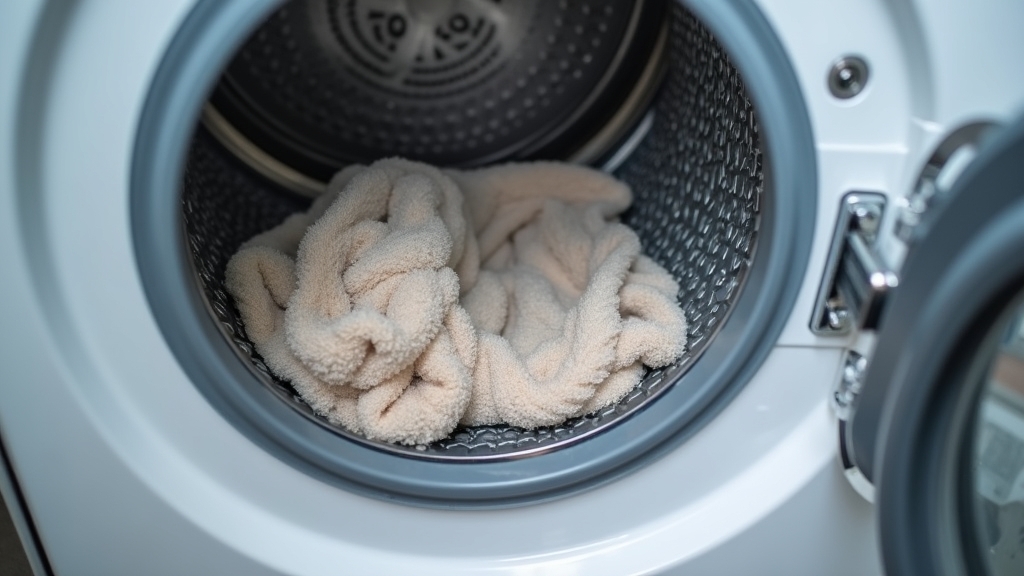
The real issue usually is not the machine itself, but how it is being used. A common situation is the 'single heavy item' mistake, where a heavy rug or a single thick towel clumps to one side during the spin cycle. This creates a centrifugal imbalance that no amount of engineering can fully suppress.
Optimizing Load Distribution
To fix an unbalanced load, ensure you are mixing heavy items with medium-weight fabrics. One thing many people overlook is that 'overloading' is just as bad as 'underloading.' If the drum is too full, the clothes cannot redistribute themselves during the high-speed spin. Aim for the 'rule of palm'—you should be able to fit your hand vertically between the top of the laundry and the drum wall.
Leveling a Washer: The Foundation of Stability
In my experience, at least 50% of vibrating machines are simply not level. Floors, especially in older homes or laundry closets, are rarely perfectly flat. Over the years, I have learned that even a 2-millimeter discrepancy in leg height can cause a machine to migrate across the room.
How to Level Your Machine Properly
What works best is using a carpenter's level on the top of the machine, checking both side-to-side and front-to-back. Most washers have adjustable threaded legs. The key thing to remember is the lock nut. Many homeowners adjust the feet but forget to tighten the lock nut against the machine's chassis. If this nut remains loose, the vibration will eventually cause the leg to unscrew again, returning you to square one.
Vibration Dampening Pads vs. Mats
If your machine is level and your loads are balanced but you still hear a roar during the spin cycle, you likely need a physical barrier to absorb kinetic energy. This is particularly common for laundry rooms located on the second floor with wood-joist flooring.
Vibration Dampening Pads
These are small, high-density rubber or EVA foam cups that sit under each leg. I have found that recycled rubber pads are the most eco-friendly and durable option. They work by isolating the machine's movement from the floor, effectively 'soaking up' the energy before it turns into noise.
Anti-Vibration Mats
A common situation where a mat is superior to pads is when you have a stackable washer-dryer unit. Because the center of gravity is higher, a full-sized rubber mat provides a larger surface area for friction, preventing the entire stack from shifting. These are often made from recycled tire crumb, making them an excellent sustainable choice.
Cost Breakdown Analysis: Which Option Fits Your Budget?
Choosing the right solution depends on the severity of the 'walking' and your budget. Here is a realistic cost analysis of the most common fixes:
- Leveling and Loading (DIY): $0. Requires only a bubble level and a wrench.
- Recycled Rubber Dampening Pads: $15–$30. These are a one-time purchase that can last the life of the machine.
- Anti-Vibration Mats: $40–$70. More expensive but necessary for heavy stackable units or perforated flooring.
- Shock Absorber Replacement: $100–$250. If the internal suspension has failed, you may need a technician. While more costly, it is significantly cheaper and more sustainable than buying a new $800 machine.
Mechanical Repairs: When Pads Aren't Enough
If you have tried leveling and pads and the machine still sounds like a jet engine, the internal shock absorbers may be worn out. Front-load washers rely on these to keep the drum steady. In my experience, these typically last 7 to 10 years. Replacing them is a high-value repair; it prevents the internal tub from striking the outer casing, which would otherwise lead to a catastrophic (and unrepairable) leak.
Final Recommendation: The Eco-Friendly Hierarchy
What I recommend to every homeowner is to follow a hierarchy of interventions. Start with a level check and lock-nut tightening. If the noise persists, invest in recycled rubber dampening pads. Only if these fail should you look into mechanical repairs or matting. By taking these steps, you not only save money on your utility bills but also keep high-quality appliances out of the waste stream for years longer than average.