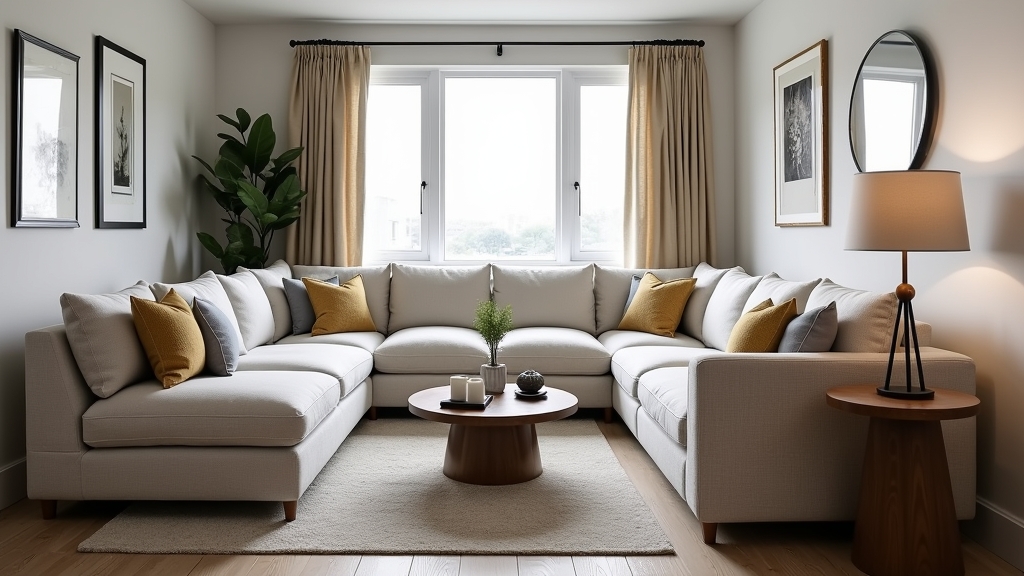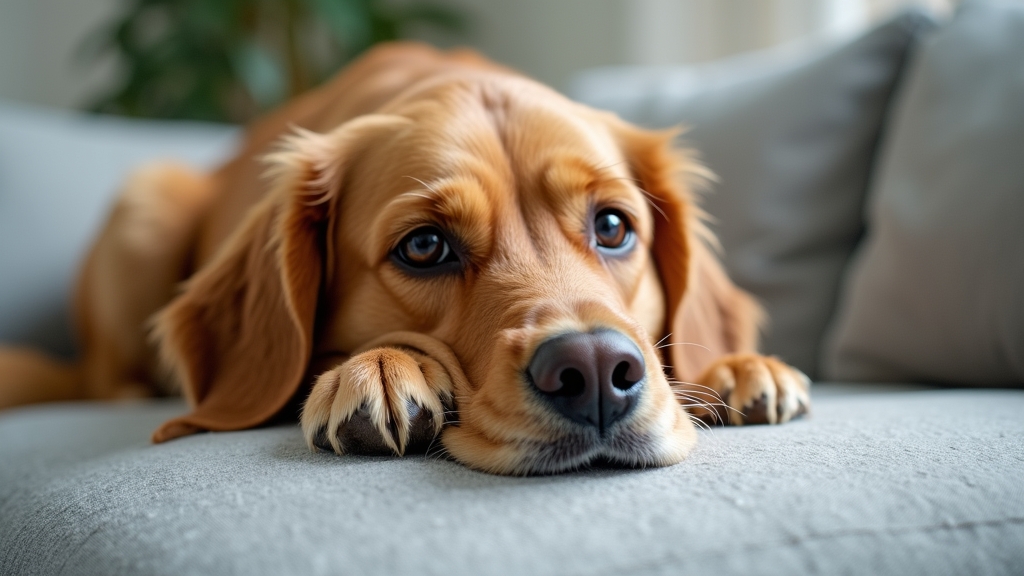
The Reality of Pets and Furniture
In most homes where pets are part of the family, the sofa is the first piece of furniture to suffer. Over the years, I have managed dozens of rental properties and personal residences, and I have seen how quickly a high-end sofa can be ruined by a single dog or a determined cat. The problem isn't just about hair or occasional accidents; it is about the daily wear and tear that certain materials simply cannot handle. From experience, I have learned that choosing a 'pretty' fabric without considering its technical specs is a recipe for a replacement within two years.
Why Standard Fabrics Fail
The real issue usually is the structure of the fabric weave. When people talk about a dog proof couch, they often focus on stain resistance, but structural integrity is just as important. Most standard upholstery fabrics, like linen or loose-weave cotton, have loops that are easy for claws to snag. Once a single thread is pulled, the structural integrity of the fabric panel begins to degrade.
The Trap of Loose Weaves
A common situation is a homeowner choosing a trendy tweed or a chunky linen blend. While these look great in a showroom, the loose weave acts as a magnet for pet hair and dander. Once hair gets trapped inside the weave, it is nearly impossible to vacuum out completely. Furthermore, if a cat decides to use a loose-weave sofa as a scratching post, the fabric will shred in weeks. In my experience, if you can see gaps between the threads when you look closely at a swatch, it is not pet-friendly.
Moisture and Oil Absorption
One thing many people overlook is the natural oils found in a dog’s coat. Over time, these oils seep into natural fibers like silk or standard cotton, causing discoloration and a lingering odor that professional cleaning often cannot remove. If the fabric is absorbent, it will hold onto every 'accident' and scent, eventually affecting the air quality of the entire living room.
Immediate Steps for Current Sofas
If you aren't ready to buy a new piece of furniture, there are temporary ways to mitigate damage. What works best is a two-pronged approach: physical barriers and routine maintenance. Use a heavy-duty, machine-washable slipcover made of twill or denim. Avoid the thin, stretchy polyester covers found in big-box stores; they shift too much and offer little protection against claws.
What I have found is that frequent vacuuming with a HEPA-filter attachment is essential. This prevents dander from settling deep into the cushions. For stains, use an enzymatic cleaner specifically designed to break down organic proteins. Avoid using steam cleaners on microfiber until you check the care tag, as heat can sometimes set a stain or ruin the texture of synthetic fibers.
Long-Term Prevention: The Best Fabrics
When you are ready for a permanent solution, you need to look for specific 'performance' materials. These are the long-term fixes I recommend to property owners who want their furniture to last through multiple tenants with pets.
Microfiber and Microsuede
Microfiber is perhaps the most durable sofa fabric for the price point. Because it consists of millions of tightly woven synthetic fibers, it lacks the 'loops' that cats love to scratch. It is effectively scratch-resistant. What works best about microfiber is that most liquids bead up on the surface if caught quickly. I have seen microfiber sofas survive a decade of heavy dog use with only minor fading.
Genuine Leather and Distressed Faux Leather
Many people assume leather is bad for pets, but the opposite is often true. In my experience, top-grain leather is excellent for dog owners. It doesn't trap hair, it doesn't hold odors, and you can wipe it clean with a damp cloth. The key thing to remember is to avoid 'bonded leather,' which peels. If you have cats, go for a 'distressed' leather look. If they do leave a small mark, it blends into the natural patina of the material rather than looking like damage.
Performance Fabrics: Crypton and Sunbrella
If you want a traditional fabric look with maximum protection, performance fabrics like Crypton are the gold standard. Unlike topical sprays, Crypton is engineered into the fibers themselves. It is moisture-resistant, stain-resistant, and antimicrobial. I once saw a white Crypton sofa survive a mud-covered Golden Retriever with just a bit of soap and water. It is an investment, but it is a permanent fix for the 'dirty dog' problem.
Structural Features to Look For
Beyond the fabric, the construction of the sofa matters. To ensure easy clean furniture, look for the following features:
- Removable Cushion Covers: Ensure the seat and back cushions have zippers. This allows you to clean the covers and, more importantly, clean the foam inside if an accident soaks through.
- High-Density Foam: Pets like to jump. Low-quality foam will lose its shape within a year. Look for a density rating of 1.8 or higher.
- Metal or Solid Wood Legs: Puppies love to chew. Exposed wooden legs are a target. Metal legs or legs with a very hard polyurethane finish are more resilient.
When to Call a Professional
There comes a point where DIY cleaning and covers aren't enough. If the sofa has a structural odor that persists after a deep clean, the urine or oils have likely reached the wooden frame or the internal batting. In this case, a professional upholstery cleaner using an injection-extraction method is necessary. If the fabric is shredded but the frame is high-quality (kiln-dried hardwood), consider professional reupholstery using one of the performance fabrics mentioned above. It is often cheaper than buying a new high-end piece and allows you to customize the durability.