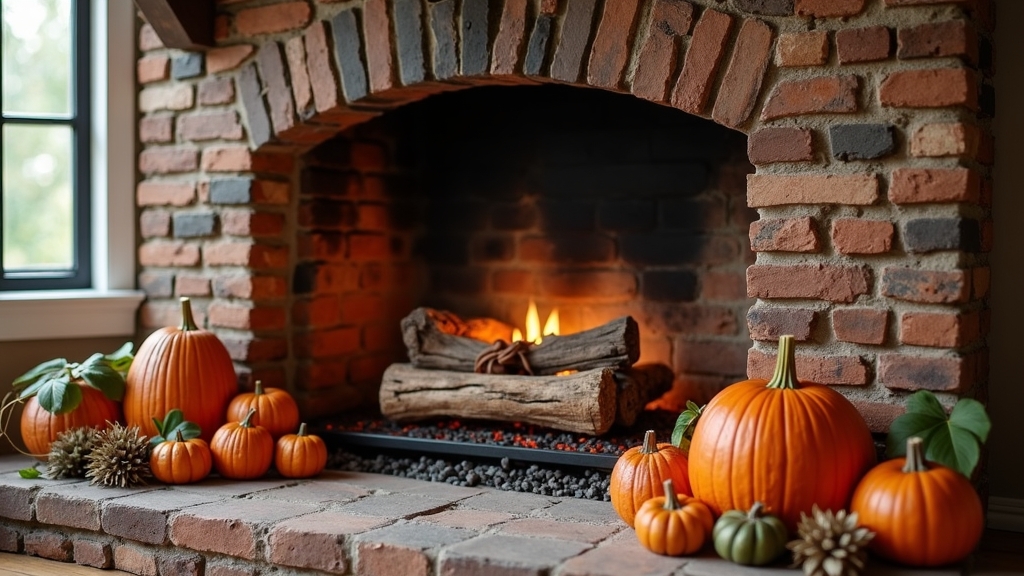
As the air turns crisp and the light shifts to a golden hue, the fireplace naturally becomes the focal point of the home. However, seasonal decorating often falls into the trap of 'fast decor'—cheap, plastic-heavy items that end up in landfills by January. As a sustainable living advocate, I believe your autumn mantel should reflect the beauty of the changing season without compromising the health of the planet or your bank account.
The Philosophy of Sustainable Seasonal Styling
Creating a living room cozy atmosphere for fall doesn't require a bin full of synthetic pumpkins. Sustainable styling focuses on materials that are either compostable, recyclable, or built to last a lifetime. By choosing natural textures like raw wood, wool, brass, and dried botanicals, you bring an authentic warmth to your fireplace that plastic simply cannot replicate. The goal is to curate a space that feels intentional, where every element has a story and a minimal environmental footprint.
Option 1: The Foraged and Found Approach
This is the purest form of fall fireplace decor. It involves stepping outside and gathering what nature has already discarded. Think gnarled branches, fallen acorns, dried seed pods, and vibrant maple leaves.
Pros of Foraging
- Zero Waste: Everything can be returned to the earth (composted) once the season ends.
- Authentic Aesthetics: No two branches are the same, giving your mantel a unique, organic silhouette.
- Improved Indoor Air Quality: Unlike synthetic garlands, natural elements don't off-gas Volatile Organic Compounds (VOCs).
Cons of Foraging
- Durability: Fresh leaves will eventually curl and brown; berries may drop.
- Pest Control: Bringing nature inside requires careful inspection to avoid inviting unwanted insects.
Option 2: The Heirloom Investment
If you prefer a curated, polished look, focus on high-quality pieces that you will use for decades. This includes hand-blown glass pumpkins, solid brass candlesticks, or artisanal ceramic vases.
Pros of Heirlooms
- Longevity: These items become part of your family's seasonal traditions, reducing the need to buy new decor annually.
- Resale Value: High-quality artisan goods often retain or increase in value.
- Material Safety: Lead-free ceramics and recycled glass are safer for a home environment.
Cons of Heirlooms
- High Initial Cost: The upfront investment can be significant compared to big-box store alternatives.
- Storage: Requires careful packing and dedicated storage space to prevent breakage.
Option 3: The Upcycled DIY
Upcycling bridges the gap between creativity and sustainability. You can transform glass jars into amber tea light holders or turn scrap wool sweaters into soft, textured pumpkins.
Pros of Upcycling
- Cost-Effective: Utilizes materials you already own or can find at thrift stores for pennies.
- Creativity: Allows you to match your autumn mantel ideas perfectly to your existing living room color palette.
Cons of Upcycling
- Time Intensive: Requires an investment of labor and specific crafting skills.
- Potential for Clutter: If not executed with a design eye, DIY projects can sometimes look messy or disjointed.
Detailed Cost Comparison
When analyzing seasonal styling, it's vital to look at the 'cost per use' over a five-year period. Here is how the three options break down for a standard 5-foot mantel:
| Category | Upfront Cost | 5-Year Total Cost | Environmental Impact |
|---|---|---|---|
| Foraged | $0 - $10 (twine/wire) | $50 | Extremely Low |
| Heirloom | $150 - $400 | $150 - $400 | Low (once-off) |
| Upcycled | $20 - $50 | $100 | Low (diverts waste) |
| Standard Retail (Synthetic) | $60 - $120 | $300 - $600 (due to replacement) | High (plastic waste) |
Best Use Cases for Each Style
The right choice depends on your lifestyle and aesthetic preferences:
- The Minimalist: Go for Foraged. It’s ephemeral, beautiful, and leaves no footprint once the season passes.
- The Traditionalist: Invest in Heirlooms. Build a collection of three high-quality pieces (like a stone vase or brass candle holders) that act as anchors every year.
- The Creative Family: Choose Upcycled. It’s a wonderful way to involve children in seasonal styling while teaching them the value of repurposing.
Final Recommendation: The Hybrid Mantel
In my experience, the most successful and sustainable fall fireplace decor uses a hybrid approach. Start with a foundation of 2-3 heirloom pieces that provide height and structure. Fill the gaps with foraged greenery or branches for movement and life. Finally, use one or two upcycled elements—like a vintage linen runner—to add softness and texture. This method keeps costs manageable while ensuring your living room feels sophisticated, cozy, and ecologically responsible.