Reclaiming Your Sanctuary: Why Living Room Organization Matters
As a gardener who has spent years maximizing every square inch of tiny urban balconies, I’ve learned that the secret to a beautiful space isn’t having less—it’s managing what you have with intention. In the world of apartment living, your living room is often your greenhouse, your sanctuary, and your child’s primary playground all at once. When toys begin to spill across the floor like invasive weeds, it’s not just an aesthetic issue; it’s a mental one. A cluttered environment leads to a cluttered mind, making it impossible to truly unwind after the sun goes down.
This guide is designed to help you navigate the ebb and flow of toy accumulation throughout the year. Just as a garden requires different care in the spring than it does in the winter, your living room organization needs a seasonal rhythm to stay functional and beautiful. We will explore how to declutter toys and utilize hidden storage furniture to ensure your home remains a place of peace, no matter how many building blocks are hiding under the sofa.
A Year-Round Guide to Hiding Toys
To keep the toy chaos at bay, you must view your organization as a living, breathing system. Here is how to manage your space through the changing seasons.
Spring: The Great Thaw and Declutter
Spring is the time for renewal. In the gardening world, we prune the dead weight to make room for new growth. Apply this to your living room. Take every toy out of its hiding spot and assess its value. If it hasn’t been touched since the winter holidays, it’s likely taking up precious real estate. This is the time to implement a toy storage ideas audit. Group toys into 'Keep,' 'Donate,' and 'Rotate.' By thinning the herd now, you prevent the summer explosion of outdoor gear from overwhelming your indoor space.
Summer: High-Frequency, Quick-Access Solutions
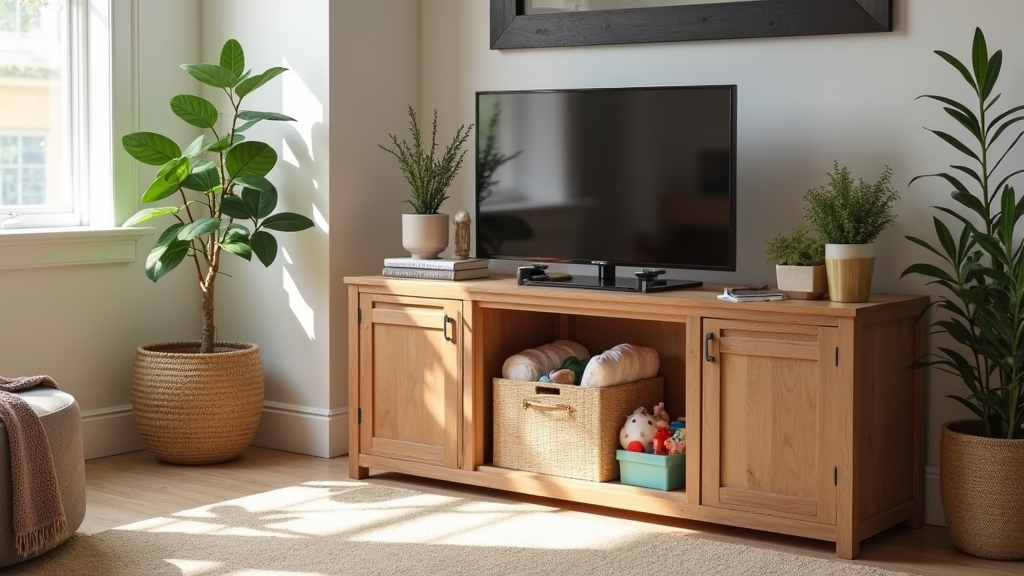
During the summer, kids are often in and out. The living room becomes a transition zone. Focus on furniture that offers 'drop-and-go' capabilities. Large woven baskets with lids are perfect here. They mimic the look of natural garden elements and can swallow up stray balls or frisbees in seconds. Focus on breathable materials; just as plants need airflow, you want your storage to feel light and airy during the warmer months.
Autumn: Preparing for the Indoor Shift
As the weather cools, play moves back inside. This is the season to invest in hidden storage furniture. Think about coffee tables with lift-tops or benches with internal compartments. Because you’ll be spending more time indoors, the visual clutter needs to be completely neutralized. Autumn is about 'planting' your storage solutions where they are most needed—usually near the center of the room or under windows.
Winter: Managing the Holiday Influx
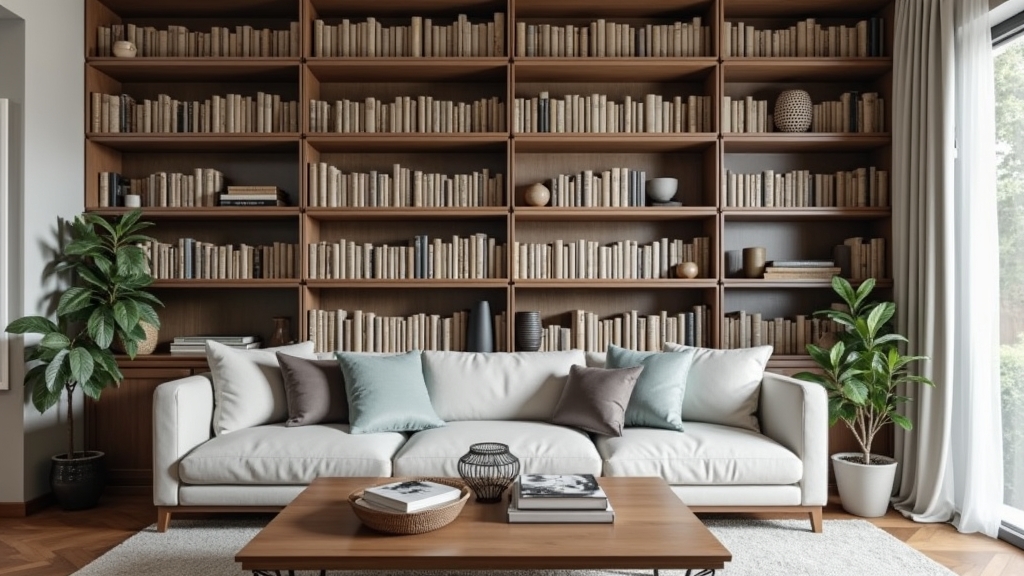
Winter brings the challenge of new gifts. To prevent your living room from becoming a permanent toy showroom, enforce a 'One In, One Out' rule. For every new holiday gift that enters the living room, one old toy must be moved to a secondary storage area or donated. This is also the time to utilize vertical space. Bookshelves with decorative bins at the bottom and adult books at the top create a balanced ecosystem that feels sophisticated yet kid-friendly.
Step-by-Step: How to Hide Toys Like a Professional
Follow this systematic approach to reclaim your floors without sacrificing your child's fun.
- Identify Your High-Traffic Zones: Much like a garden path, identify where the toys naturally congregate. This is where your primary hidden storage should live.
- Select Dual-Purpose Furniture: Never buy a piece of furniture for a small living room that only does one job. An ottoman should be a seat, a footrest, and a toy chest.
- Color-Code and Camouflage: Choose storage bins that match your wall or furniture color. When the bin blends into the background, the eye skips over it, creating the illusion of more space.
- The 5-Minute Evening Harvest: At the end of every day, perform a quick sweep. Toss everything into its designated hidden spot. This ritual signals to your brain that 'playtime' is over and 'relaxation' has begun.
Practical Tips from an Urban Gardener's Perspective
I’ve learned that the smallest details often make the biggest difference in a confined space. Trust your instincts—if a storage solution feels clunky, it probably is. Here are a few 'pro-gardener' tips for your living room:
- Use 'Window Box' Thinking: Just as window boxes add utility to unused space, use the area under your sofa or behind chairs for slim, rolling bins.
- Labeling is Life: Use small, discreet labels on the inside of cabinet doors so everyone knows where things belong. This ensures the system maintains itself.
- Texture Matters: Use natural textures like rattan, seagrass, or wood. These materials age beautifully and don't scream 'childhood' the way primary-colored plastic does.
- Rotate, Don't Hoard: Keep only a week's worth of toys in the living room. Store the rest in a closet or under a bed, and swap them out every Sunday. It makes old toys feel new again.
Common Mistakes to Avoid
Even the best-laid plans can go awry. Avoid these common pitfalls to keep your living room organization intact:
- Buying Bins Before Sorting: This is the equivalent of buying pots before you know what plants you’re growing. Always declutter first, then measure, then buy storage.
- Ignoring the 'Visual Weight': Too many small baskets can look just as cluttered as the toys themselves. Opt for one or two larger pieces of hidden storage furniture rather than ten small bins.
- Forgetting Accessibility: If a toy is too hard to put away, it won't be put away. Make sure the 'hiding' process is simple enough for a child to help.
- Neglecting Style: Don't settle for 'ugly' storage just because it's for kids. Your living room is an adult space first. If you wouldn't buy it without the toys, don't buy it for the toys.