The Hidden Impact of Entertainment Center Cable Clutter
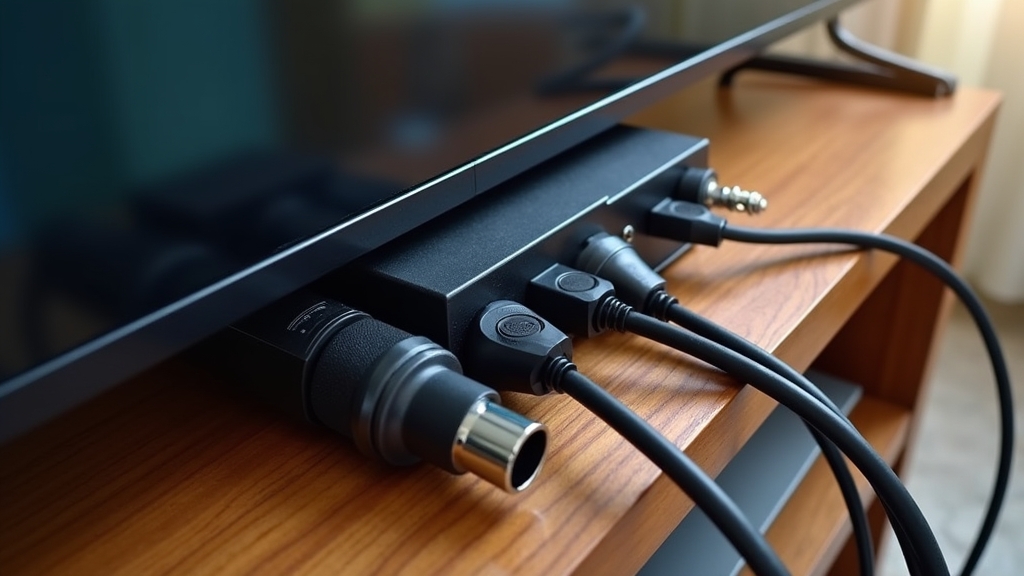
In most homes, the entertainment center is the heart of the living room. It is where we gather for films, gaming, and music. However, what should be a place of relaxation often becomes a source of visual stress due to the inevitable 'cable spaghetti' that accumulates behind the glass doors or under the media console. From experience, I have found that this isn't just an aesthetic issue; it is a functional and environmental one. Tangled wires trap significant amounts of dust, which can degrade air quality and cause electronic components to overheat, shortening their lifespan and increasing e-waste.
What works best is moving away from quick-fix adhesive clips that eventually fail and instead focusing on permanent, sustainable infrastructure for your media. By taking a long-term approach to cable management, you create a system that is easy to maintain, safer for your household, and much more pleasing to the eye.
Root Causes: Why Media Console Organization Fails
The real issue usually is that our electronic devices have evolved faster than our furniture and home construction. Most media consoles are designed with a single, small circular cutout in the backboard, which is rarely sufficient for a modern setup involving a television, soundbar, gaming consoles, and streaming devices. A common situation is finding that every device comes with a standard six-foot power cord, even if it only needs to reach twelve inches to the nearest outlet. This excess length is the primary driver of clutter.
Another factor people overlook is 'component creep.' We tend to add devices one by one over several years. Without a master plan, each new wire is simply draped over the last, leading to a knot that becomes impossible to untangle without disconnecting everything. Over the years, I have learned that the lack of a designated 'cable path' within the furniture itself is what leads to the unsightly waterfall of wires hanging between the TV and the console.
Immediate Steps to Take Before Organizing
Before you look into a permanent cord concealer or in-wall solution, you must perform a total system reset. In my experience, you cannot effectively organize a system while it is still plugged in. Start by powering everything down and disconnecting every single cable from both the devices and the wall. This allows you to inspect each wire for damage or wear, ensuring your setup remains safe.
- Sort and Purge: Identify cables for devices you no longer use. Many people leave old HDMI or RCA cables plugged in simply because they are too difficult to extract.
- Length Matching: If you have the option, swap out excessively long cables for shorter versions that fit your specific distance requirements. This reduces the amount of 'bulk' you need to hide.
- Labeling: One thing many people overlook is labeling both ends of the cable. Use a simple wrap-around tag so that three years from now, you aren't tugging on wires to find out which one belongs to the Blu-ray player.
Long-Term Prevention and Organization Strategies
1. Utilizing In-Wall Routing for a Floating Look
For those who prefer a wall-mounted television, the most permanent and professional-looking solution is routing the cables through the wall. This is a significant step but offers the cleanest result. A common situation involves installing a recessed media box behind the TV and another directly behind the media console. This creates a hidden 'tunnel' for your low-voltage cables (like HDMI and Ethernet) to pass through without being visible on the wall surface.
The key thing to remember is that you cannot simply run your TV's power cord through the wall, as this is a fire code violation in many regions. What works best is using a power bridge kit that includes code-compliant house wiring to extend an outlet up to the TV location. This keeps everything legal, safe, and entirely hidden.
2. Modifying Furniture for Better Airflow and Access
If your media console is the primary hub, the backboard is often your biggest enemy. Many high-quality pieces of furniture have thin, flimsy backings that restrict where cables can go. In my experience, it is often better to carefully remove the backboard entirely or use a hole-saw attachment to create much larger, strategic entry and exit points. This not only makes media console organization easier but significantly improves the airflow around your devices, preventing the heat buildup that can lead to premature hardware failure.
3. Implementing the 'Service Loop' Technique
One technique professionals use that many homeowners miss is the 'service loop.' Instead of pulling a cable tight, you leave a small amount of slack coiled neatly near the device. This ensures that if you need to pull the console away from the wall for cleaning or to plug in a new accessory, you aren't putting tension on the ports of your expensive electronics. Secure these loops with reusable fabric wraps rather than plastic zip ties. Fabric wraps are a more sustainable choice as they don't need to be cut and thrown away every time you make a change.
4. Using Surface-Mounted Cord Concealers Correctly
If in-wall routing isn't an option—perhaps due to a brick wall or rental restrictions—a high-quality surface-mounted cord concealer is the next best thing. To make this a long-term fix rather than a temporary eyesore, you must treat the concealer as part of the architecture. What I have found is that painting the concealer to match your wall color exactly makes it almost disappear. Use a level during installation to ensure the lines are perfectly vertical, as even a slight tilt will be noticeable to the eye.
When to Call a Professional
While many cable management ideas are DIY-friendly, there are specific scenarios where a professional is necessary. If your project involves cutting into drywall and you are unsure of what lies behind it (such as plumbing or structural studs), consult a contractor. Most importantly, any work involving the relocation of high-voltage electrical outlets or the installation of new circuits requires a licensed electrician. Ensuring your home meets local building codes is the most important part of any long-term home improvement project.
Sustainability in Media Management
Sustainable living isn't just about solar panels; it's about maintaining what we have so it lasts longer. By organizing your cables, you reduce the heat load on your electronics, which can extend the life of a television or console by several years. Furthermore, a clean environment reduces the need for harsh chemical cleaners that are often required to cut through the 'sticky' dust that builds up in cable nests. A tidy media center is a more efficient, safer, and more durable part of your home.