Understanding Why Living Rooms Feel Dark
Living in a space that feels perpetually dim can be frustrating. Not only does it impact the aesthetic of your home, but low light can also affect your mood and increase your reliance on artificial energy sources. Here is the thing: a dark living room is rarely the result of just one factor. Often, it is a combination of architectural choices, external environment, and interior finishes that conspire to absorb light rather than reflect it.
The root causes typically fall into three categories. First, there is the orientation of the house. North-facing rooms receive the least amount of direct sunlight, leading to a cool, consistent dimness throughout the day. Second, external obstructions such as large trees, deep porch overhangs, or neighboring buildings can block the sun's path. Third, the internal materials—dark flooring, heavy window treatments, and matte, dark-colored walls—can swallow up what little light manages to enter the space. Understanding these factors is the first step toward implementing permanent, sustainable low light solutions.
Immediate Steps for Light Optimization
Before jumping into major renovations, there are several immediate adjustments that can make a noticeable difference. What most people miss is the impact of basic maintenance. Over time, a thin film of dust and grime accumulates on window glass, both inside and out. This can reduce the amount of light entering a room by up to 20%. A thorough cleaning of all glass surfaces and screens is a zero-cost way to immediately boost brightness.
Next, consider your window treatments. While heavy drapes provide insulation, they often cover a significant portion of the window even when pulled back. Switching to lighter, linen-based fabrics or cellular shades that stack tightly at the top allows for maximum glass exposure. On the other hand, if privacy is a concern, translucent window films can provide a blurred view while allowing full light transmission.
Strategic Mirror Placement for Natural Light
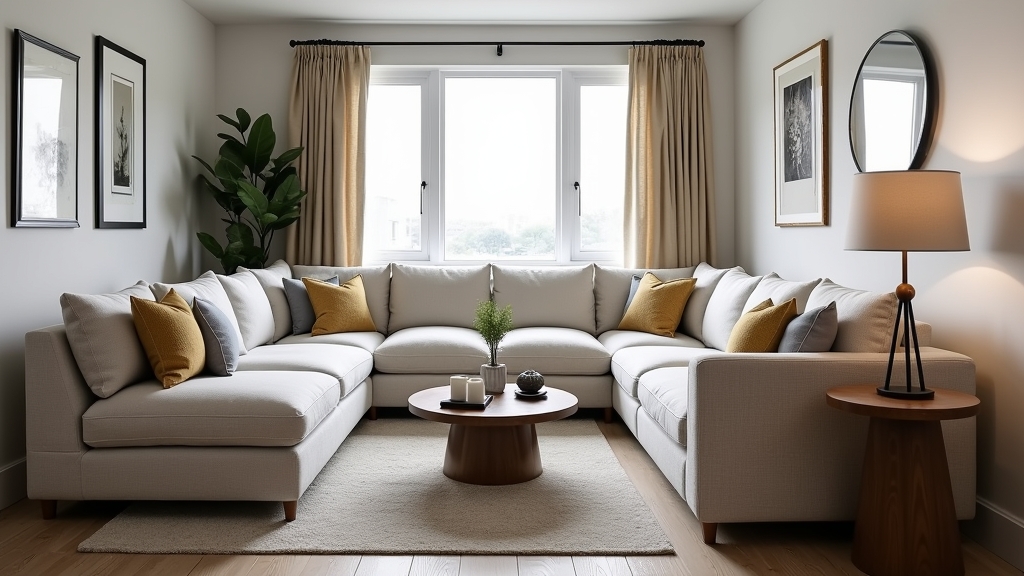
This is where it gets interesting: the physics of light reflection. Mirrors are not just decorative; they are functional tools for light redirection. To effectively brighten a dark living room, the placement of mirrors must be intentional. Instead of hanging a mirror where it looks best over a sofa, try placing it directly across from or adjacent to your largest window.
By doing this, you are essentially creating a second window that bounces natural light deeper into the room. For the best results, use large-scale mirrors or a gallery of smaller mirrors to cover more wall surface area. Something to keep in mind is the angle of reflection; a mirror angled slightly toward the darkest corner of the room can help illuminate areas that windows cannot reach. This technique reduces the need for artificial lighting during daylight hours, contributing to a more sustainable lifestyle.
The Science of Color and Light Reflectance Value
Now, the important part: the color of your walls. When people want to brighten a room, they often reach for 'white' paint, but not all whites are created equal. To make a sustainable and effective choice, you must look at the Light Reflectance Value (LRV) of the paint. LRV is a scale from 0 (absolute black) to 100 (pure white). For a dark living room, you should aim for colors with an LRV of 60 or higher.
Choosing the Right Finish
Beyond the hue, the finish of the paint plays a crucial role. While matte finishes are popular for hiding wall imperfections, they absorb light. A satin or eggshell finish provides a slight sheen that helps scatter light around the room. In very dark spaces, a semi-gloss finish on trim, baseboards, and ceilings can act as a subtle reflective surface, pulling light upward and across the floor.
Floor and Ceiling Considerations
The ceiling is the most significant reflective surface in any room. Painting it a 'brighter' white than the walls can create an illusion of height and openness. Similarly, dark carpets or wood floors can act as a 'light sink.' If replacing the flooring isn't an option, a large, light-colored area rug can provide a significant brightness boost. Sustainable materials like wool, jute, or organic cotton in cream or pale grey tones are excellent choices that reflect light while maintaining an eco-friendly home environment.
Layering Ambient Lighting and Floor Lamps
When natural light is insufficient, the way you layer artificial lighting becomes paramount. The goal is to mimic the even distribution of daylight. This is achieved through three layers: ambient, task, and accent lighting. The good news is that with modern LED technology, you can achieve a bright, warm atmosphere without high energy consumption.
The Role of Ambient Lighting
Ambient lighting is the general illumination of the room. In a dark space, relying solely on a single overhead fixture often creates harsh shadows in the corners. Instead, use multiple light sources at different heights. Floor lamps are particularly effective because they can be moved to where light is needed most. A floor lamp with an upward-facing shade (a torchiere) can bounce light off the ceiling, providing a soft, diffused glow that fills the entire room.
Targeted Low Light Solutions
Low light solutions also involve filling in the 'gaps.' Placing small lamps on bookshelves or consoles helps eliminate dark pockets. Worth mentioning is the color temperature of your bulbs. For a living room, aim for bulbs labeled 'warm white' (around 2700K to 3000K). This mimics the natural warmth of the sun and prevents the room from feeling sterile or cold, which often happens when using 'daylight' bulbs in an already dark space.
Long-Term Prevention and Structural Fixes
If you are looking for permanent, high-impact solutions, you may need to look at the structure of the home itself. One of the most sustainable and effective ways to bring light into a dark living room is the installation of solar tubes or sun tunnels. These are reflective pipes that channel sunlight from the roof down into the ceiling of a room. They provide intense natural light without the heat gain or structural requirements of a traditional skylight.
Another long-term strategy involves the exterior of the home. Overgrown landscaping can stealthily steal light over several years. Regularly pruning trees and shrubs—especially those within six feet of a window—can have a dramatic effect. If you are planning a larger renovation, increasing the size of existing window openings or adding a transom window above a door can permanently transform the space's light profile.
When to Call a Professional
While many of these strategies are DIY-friendly, some situations require expert intervention. If you are considering structural changes like enlarging windows or installing solar tubes, a licensed contractor or architect is necessary to ensure the structural integrity of your home remains intact. Additionally, if your living room is dark due to outdated electrical systems that cannot support modern lighting layers, a professional electrician can help you safely upgrade your home's infrastructure. Consulting with an interior designer who specializes in sustainable lighting can also provide a tailored plan that balances energy efficiency with aesthetic goals.