Elevating the Movie Experience with Smart Lighting
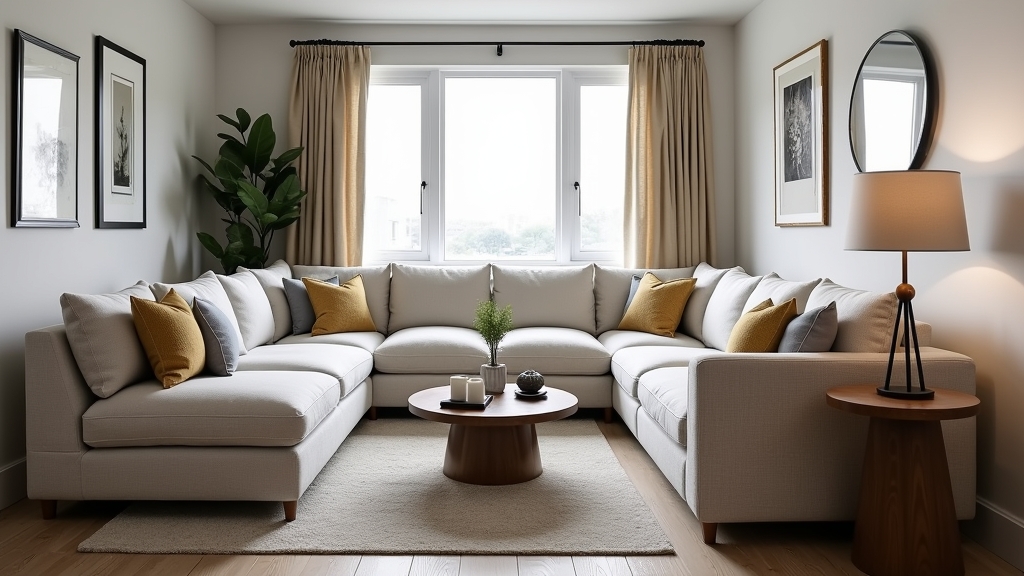
In most homes, the living room serves as a multi-purpose space where we eat, socialize, and eventually, settle in for a movie. Over the years, I have learned that even the most expensive 4K television can feel underwhelming if the room’s lighting isn’t working in harmony with the screen. We’ve all been there: you sit down for a thriller, but the glare from a floor lamp across the room ruins the dark scenes, or the room is so pitch black that your eyes start to ache after twenty minutes. The real issue usually is the lack of balanced ambient light.
From experience, installing smart lighting for movies isn't just about making the room dark; it is about controlling where the light goes and how it behaves. When you move away from traditional 'on or off' switches and transition to smart systems, you gain the ability to create 'scenes' that transform your living room into a theater with a single tap or voice command. This guide compares the most effective methods for achieving that cinematic glow, focusing on how to avoid the common pitfalls of DIY lighting projects.
What works best is a layered approach. By combining different types of smart illumination, you can eliminate screen glare, reduce eye strain, and create an immersive atmosphere that rivals a professional cinema. Let’s look at the three primary ways to achieve this.
Smart Bulb Retrofitting: The Gateway to Theater Lighting
For many DIYers, the simplest entry point is replacing existing incandescent or LED bulbs with smart bulbs. This involves swapping out the bulbs in your current floor lamps, table lamps, or ceiling fixtures. What I have found is that this is the most flexible option because it doesn’t require any electrical rewiring.
Pros of Smart Bulbs
- Ease of Installation: If you can screw in a lightbulb, you can install this system. It is the definition of a weekend project.
- Individual Control: You can group bulbs together or control them individually. This is vital for movie watching because you might want the lamps near the screen completely off, while keeping a dim glow on a lamp near the snacks.
- Color Temperature Tuning: Being able to switch from a daylight blue for reading to a warm, sunset amber for movies changes the entire feel of the room.
Cons of Smart Bulbs
- Switch Dependency: A common situation is someone manually flipping the wall switch off, which cuts power to the smart bulb and makes it unresponsive to your phone or voice commands.
- Aesthetic Limits: You are still limited by where your current lamps are placed. If your lamps are in the wrong spots for a theater setup, smart bulbs won't fix the shadows.
Ambient Backlighting: The Secret to Immersion
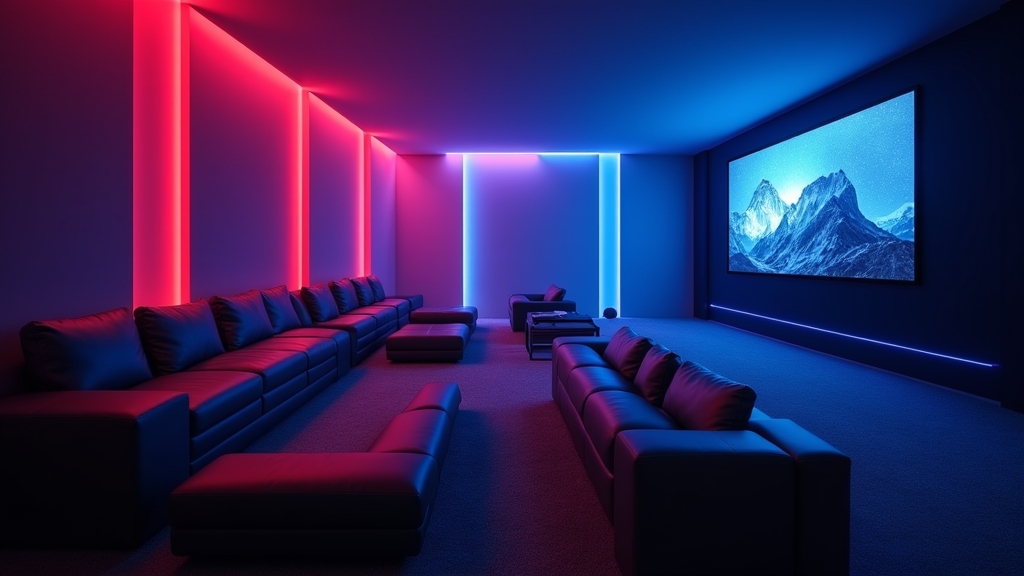
One thing many people overlook is the space behind the television. Ambient backlighting, often referred to as bias lighting, involves placing light strips along the back perimeter of your TV. This glows against the wall, creating a halo of light. In my experience, this is the single most effective way to reduce eye fatigue during long movies.
Pros of Ambient Backlighting
- Reduced Eye Strain: By providing a consistent level of light behind the screen, your pupils don't have to constantly dilate and contract as the movie cuts between bright and dark scenes.
- Perceived Contrast: It makes the blacks on your screen look deeper and the colors pop more because of how our eyes process contrast.
- Space Saving: Since the light is attached to the TV, it takes up zero floor or table space.
Cons of Ambient Backlighting
- Wall Requirements: This works best if your TV is mounted against a light-colored, flat wall. If you have dark wallpaper or a stone fireplace, the light will be absorbed rather than reflected.
- Cable Management: You have to be diligent about hiding the power cords for the strips, or you’ll end up with a messy look that distracts from the movie.
Integrated Dimmable Theater Lights
If you are ready for a more permanent solution, integrated dimmable theater lights—usually in the form of recessed 'can' lights or smart dimming switches—are the gold standard. This involves replacing the physical switch on the wall or installing dedicated fixtures in the ceiling. The key thing to remember here is that you are controlling the circuit, not just the bulb.
Pros of Integrated Systems
- Seamless Control: You can use any bulb (as long as it's dimmable) and control the entire room from the wall switch while still having smart features.
- Professional Finish: There are no visible wires, and the light is distributed evenly across the room.
- Increased Home Value: Permanent smart home upgrades are often more attractive to future buyers than a collection of plug-in lamps.
Cons of Integrated Systems
- Complexity: This often involves working with high-voltage wiring. If you aren't comfortable with electrical work, you'll need to hire a pro.
- Cost: High-quality smart switches and recessed fixtures are more expensive than a few smart bulbs.
Cost Comparison
When planning your budget, consider both the upfront cost and the long-term flexibility. Smart bulbs typically cost between $15 and $40 per bulb. For a standard living room with four lamps, you’re looking at around $100 to $160. Ambient backlighting kits range from $30 for basic strips to $200 for systems that sync colors with the screen. Integrated smart switches usually run $40 to $60 per switch, but remember that one switch can control ten ceiling lights.
Best Use Cases for Each Option
Through the years, I've found that the 'best' option depends entirely on your living situation. If you are a renter, smart bulbs are your best friend because you can take them with you when you move. If you have a dedicated media wall or a wall-mounted TV, ambient backlighting should be your priority for the sheer comfort it adds to the viewing experience.
For those who own their home and are doing a full living room renovation, integrated dimmable theater lights are the way to go. They provide that polished, high-end look where the lights slowly fade to black when the movie starts, just like in a real cinema.
Final Recommendation
If you are just starting out, my recommendation is to begin with a combination of smart bulbs in your peripheral lamps and an ambient backlight strip behind the TV. This 'hybrid approach' gives you the most bang for your buck. You get the eye-strain relief of the bias lighting and the atmospheric control of the smart bulbs without needing to touch a single wire in your walls. Once you see how much it changes your Friday night movie ritual, you can decide if you want to dive into the more complex, permanent electrical upgrades.