Sustainable Strategies for Small Living Room Layouts
In most homes, the living room serves as the primary hub for relaxation, social interaction, and sometimes even work. When square footage is limited, the instinct is often to cram in as much furniture as possible to meet these needs. However, from experience, I have found that a cluttered room actually feels smaller and less functional. A sustainable approach to small living room ideas focuses on quality over quantity and choosing items that serve multiple purposes.
This guide addresses the common pitfalls of small room design. We will explore how to create an efficient apartment layout using space saving furniture and thoughtful room arrangement. By the end of this article, you will have a clear plan to transform your compact living area into a breathable, eco-friendly sanctuary.
Tools and Materials Needed
Before moving any heavy furniture, you need a few basic tools to plan your space effectively. Using what you already have is the most sustainable choice.
- Steel Measuring Tape: Accuracy is vital when every inch counts.
- Graph Paper and Pencil: For sketching out various room arrangement options.
- Painter’s Tape: Use this to outline furniture dimensions on the floor before buying or moving pieces.
- Digital Floor Planner: Optional, but helpful for visualizing 3D space.
- Camera: To take photos of your current space from different angles.
Preparation Steps
The real issue usually is not the size of the room, but the amount of unnecessary items within it. Preparation is the most important part of the process.
The Strategic Declutter
Over the years, I have learned that you cannot organize your way out of having too much stuff. Start by removing everything that does not serve a daily purpose. For a sustainable home, donate usable items to local charities rather than sending them to a landfill. One thing many people overlook is how much visual weight small knick-knacks add to a room. Clearing surfaces immediately makes a room feel larger.
Measure Every Dimension
Measure the length and width of the room, but also note the height of windowsills, the location of outlets, and the swing radius of doors. In my experience, forgetting to account for a door swing is a common mistake that ruins a perfectly good apartment layout.
Common Mistakes to Avoid
When dealing with small living room ideas, certain design choices can backfire. Understanding these mistakes helps you avoid the cycle of buying and returning furniture.
Mistake 1: Pushing All Furniture Against the Walls
A common situation is seeing every piece of furniture "hugging" the perimeter of the room. While people think this opens up the floor, it often creates a "waiting room" vibe. Pulling a sofa just a few inches away from the wall creates shadows and depth, which actually tricks the eye into seeing more space. What works best is allowing the furniture to breathe.
Mistake 2: Choosing Oversized Seating
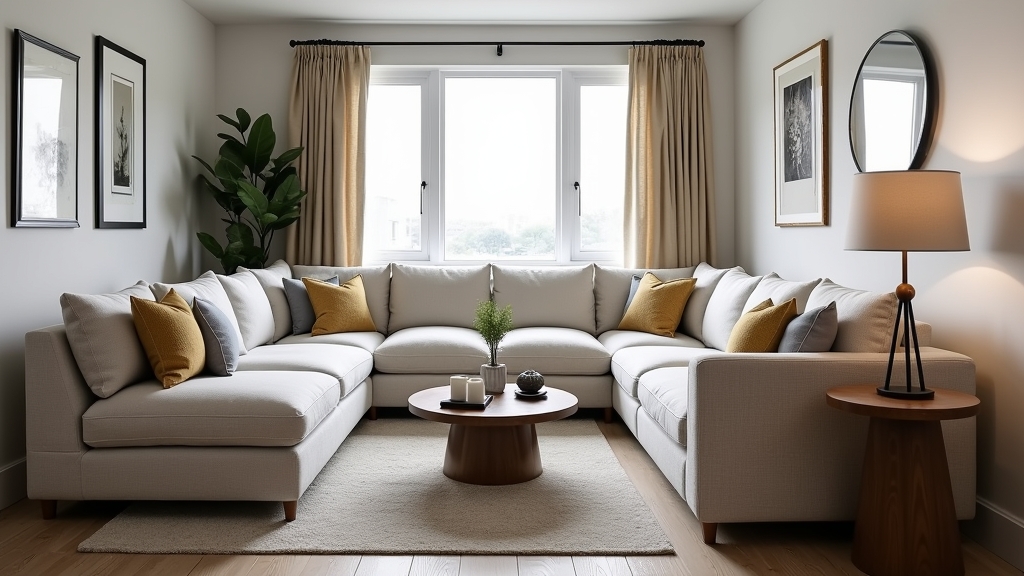
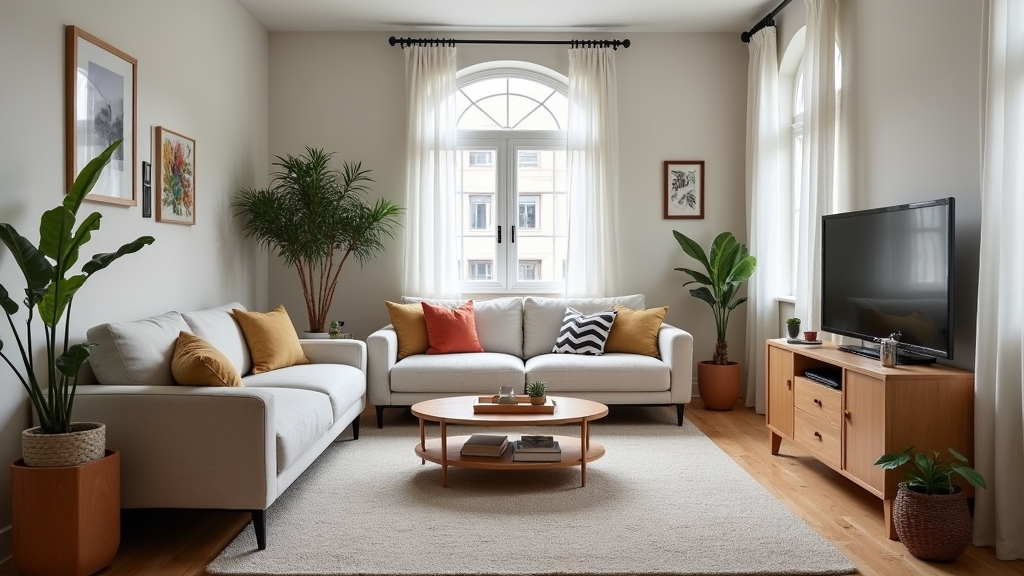
Many homeowners fall in love with large, plush sectionals. In a small living room, a massive sofa can swallow the entire floor plan. The key thing to remember is scale. Instead of one giant couch, consider a sleek three-seater with exposed legs. Seeing the floor underneath the furniture makes the room feel airy.
Mistake 3: Neglecting Vertical Space
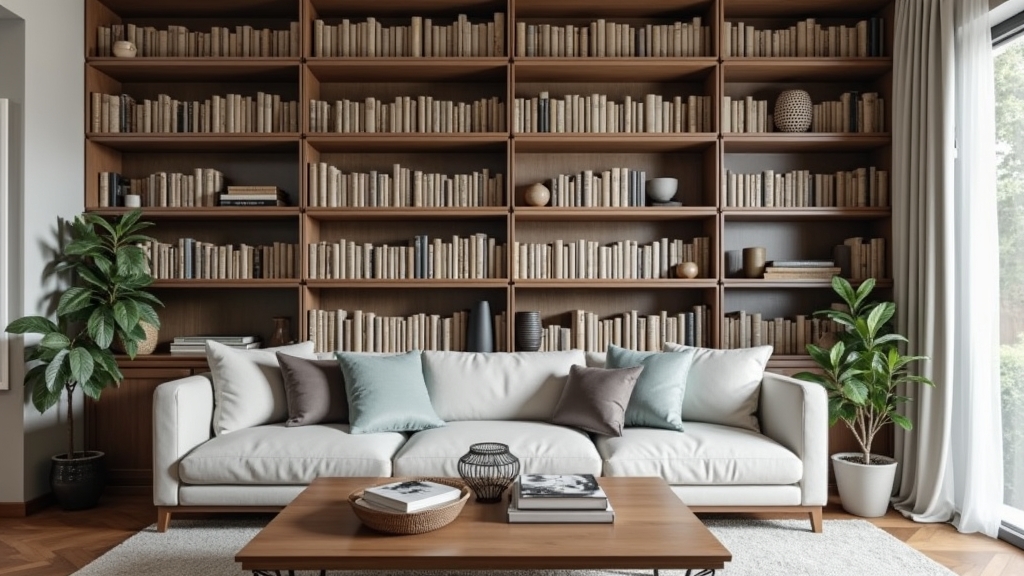
If you only focus on the floor, you miss 70% of your room's potential. What I have found is that floor-to-ceiling shelving units can hold as much as three separate cabinets while taking up a fraction of the footprint. Use the heights of your walls for storage and decor to draw the eye upward.
Detailed Step-by-Step Instructions
Follow these steps to rearrange your small living room for maximum efficiency and sustainability.
Step 1: Define Your Primary Activity
Identify what you do most in the room. Is it watching TV, reading, or hosting guests? Designate a focal point. This could be a window with a view or a fireplace. If your focal point is a television, try to integrate it into a bookshelf so it doesn't dominate the room when turned off.
Step 2: Map the Traffic Flow
Ensure there is a clear path from the entrance to other rooms or seating areas. You should never have to shimmy past a coffee table. Aim for at least 18 to 24 inches of walking space between furniture pieces. If the room is too tight for a coffee table, use C-shaped side tables that slide over the sofa arm.
Step 3: Select Space Saving Furniture
Look for multifunctional pieces. An ottoman with hidden storage can hold blankets, while also serving as a footrest or extra seating. When shopping for new items, prioritize sustainable materials like FSC-certified wood, bamboo, or recycled metal. From experience, vintage furniture is often smaller in scale than modern pieces, making it perfect for apartments.
Step 4: Layer Your Lighting
Avoid using only one overhead light, which flattens the room. Use a mix of floor lamps, table lamps, and wall sconces. Lighting the corners of a room eliminates dark spots that make walls feel like they are closing in.
Tips for Best Results
To truly master the small living room, keep these practical tips in mind:
- Use Mirrors Strategically: Placing a large mirror opposite a window reflects natural light and doubles the visual depth of the room.
- Stick to a Cohesive Color Palette: Using similar tones for walls and large furniture pieces reduces visual noise. I recommend light, earthy tones that reflect light well.
- Opt for Transparent Materials: Acrylic or glass coffee tables "disappear" in a room, providing a surface without taking up visual space.
- Choose Rugs Wisely: A rug that is too small makes the room look choppy. Ensure at least the front legs of all seating furniture sit on the rug to ground the space.
Troubleshooting Common Issues
Even with a good plan, you might encounter these hurdles:
The Room Feels Cold or Empty
If your minimal approach feels sterile, add texture rather than more items. A reclaimed wood shelf or a linen throw blanket adds warmth without clutter. Sustainability is about creating a space you actually want to spend time in.
No Room for a Home Office
If you must work in your living room, avoid a bulky desk. Look for "cloffice" solutions or a wall-mounted fold-down desk. When you finish your workday, you can fold the desk up to reclaim your relaxation space.
The Layout Feels "Off"
If something feels wrong, check your symmetry. Sometimes, simply centering a rug or aligning a lamp with the end of a sofa can provide the visual balance needed to make a small space feel intentional rather than cramped.