The Narrow Living Room Dilemma
In most homes built during the mid-century or in modern urban developments, the 'bowling alley' living room is a frequent architectural headache. From my experience over the last 15 years of DIY renovations, the frustration doesn't just come from the lack of width; it comes from the feeling that you are living in a hallway rather than a home. You try to push everything against the walls to 'save space,' but what you end up with is a cavernous, awkward gap in the middle that serves no purpose. The real issue usually isn't the square footage—it's the failure to define zones and manage traffic flow effectively.
Root Causes of the Tunnel Effect
To fix a long room design, you first have to understand why it feels uncomfortable. A common situation is the 'Wall-Hugging Syndrome.' When homeowners line up a sofa, coffee table, and TV console along the long parallel walls, it emphasizes the length and ignores the width. Over the years, I have learned that this actually makes the room feel narrower.
Another contributing factor is the 'Linear Path.' If your front door is at one end and the kitchen is at the other, the living room becomes a thoroughfare. What works best is breaking that straight-line path. Finally, lighting often plays a role; a single central ceiling fixture creates shadows in the corners, making the ends of the room disappear and heightening the claustrophobic feel of the side walls.
Immediate Steps to Reclaim Your Space
If you are looking for immediate furniture placement tips, the first thing I recommend is 'floating' your furniture. Pull your sofa at least 6 to 12 inches away from the wall. Even that small amount of breathing room creates an illusion of depth. One thing many people overlook is the power of the 'S' curve. Instead of a straight walkway down the middle, arrange your furniture so people have to walk in a slight serpentine path. This slows down the visual energy and makes the room feel like a destination rather than a transition space.
Create Functional Zones
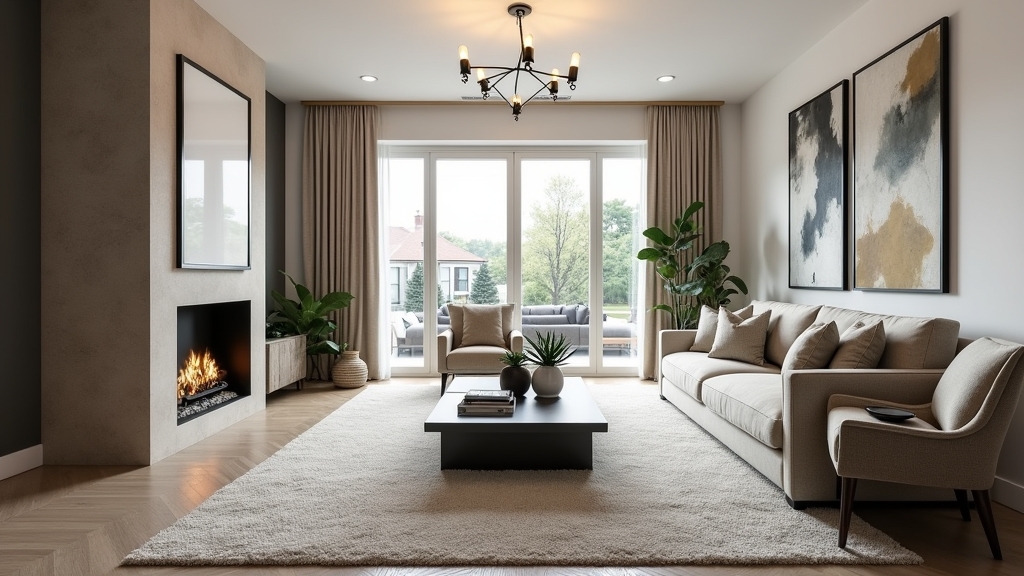
In a rectangular living room, you cannot treat the entire space as one single seating area. What I have found is that dividing the room into two distinct zones—such as a primary conversation area and a secondary reading nook or workspace—is the most effective permanent fix. Use area rugs to anchor these zones. A common mistake is using one rug that is too small; instead, use two rugs to visually split the floor plan into manageable squares.
The 36-Inch Rule
The key thing to remember is the 36-inch rule. For a room to feel functional and not cramped, you need a 36-inch wide path for major traffic. In a narrow room, this might mean placing all your furniture on one side of the 'hallway' and leaving a dedicated walkway on the other, rather than trying to weave through the middle of the coffee table and sofa.
Long-Term Prevention and Structural Strategies
For a truly comprehensive solution, you need to look beyond just moving the couch. Long-term strategies involve changing how the eye perceives the architecture of the room.
Invest in Built-ins
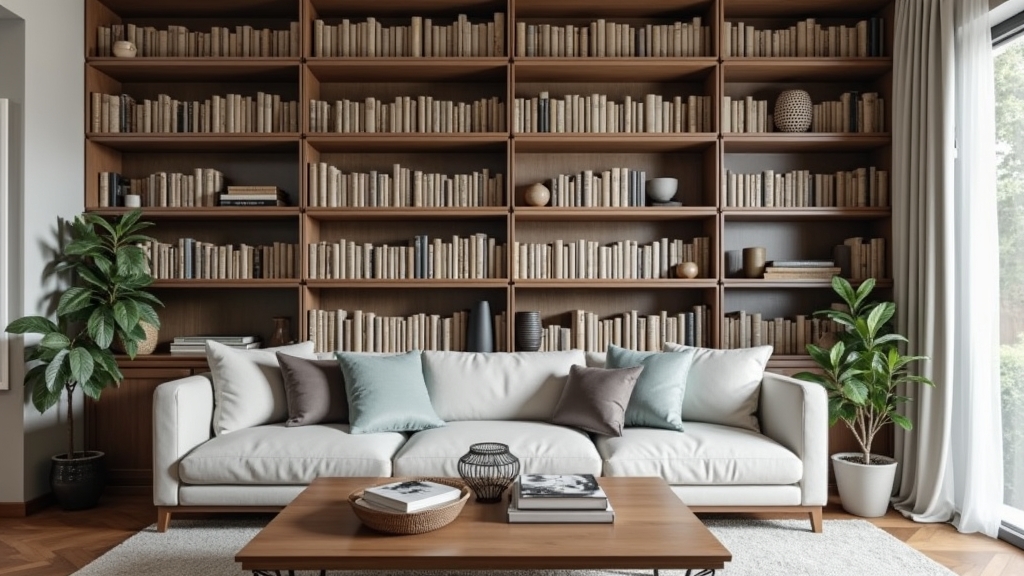
From experience, nothing fixes a narrow room better than custom built-in shelving on one of the short end walls. By adding depth to the far end of the room, you visually 'pull' that wall inward, making the room appear more square. If you’re a DIYer like me, you can use stock kitchen cabinets as a base and build bookshelves on top to create a high-end look without the custom price tag.
Use Circular Elements
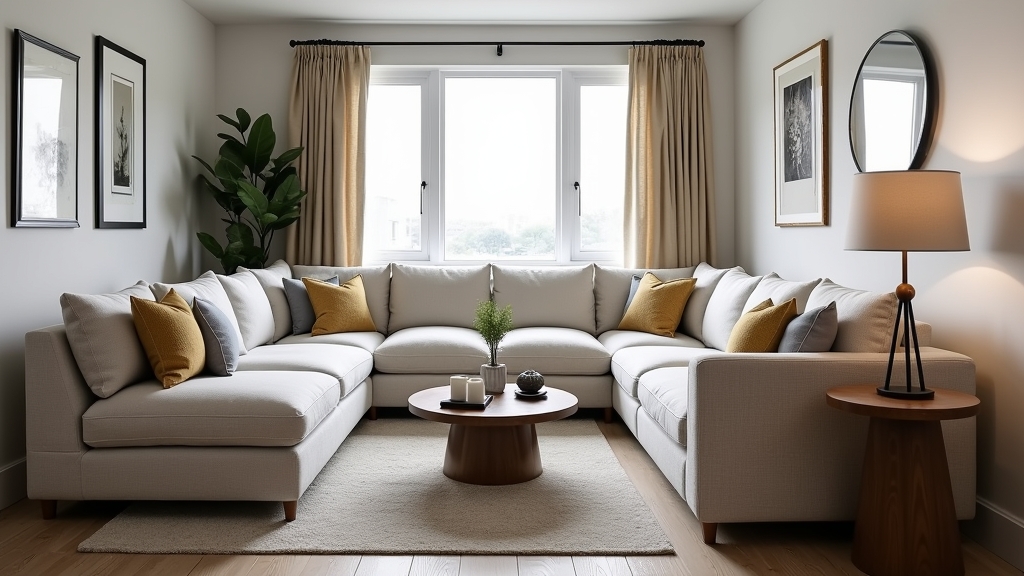
In a room dominated by long, straight lines, you need to introduce curves. A round coffee table, a circular mirror, or even a curved-back armchair can break up the boxy feel. This is a strategy I’ve used in three different homes, and it never fails to soften the 'hallway' vibe. Circular elements force the eye to move around the room rather than just zipping from one end to the other.
Strategic Lighting Layers
What works best is a three-layer lighting approach: ambient, task, and accent. Instead of one overhead light, install wall sconces on the long walls to draw the eye upward and outward. Use floor lamps at different heights in the corners. One thing many people overlook is 'uplighting'—placing a small LED puck light behind a large plant in a corner can make the room feel much wider at night.
When to Call a Professional
While most narrow living room layouts can be solved with smart furniture placement and DIY projects, there are times when you need an expert. If you are considering removing a load-bearing wall to open the space, stop and call a structural engineer. Additionally, if your long-term plan involves moving electrical outlets or adding hardwired sconces and you aren't comfortable with high-voltage work, a licensed electrician is a must. Lastly, if the room’s proportions are so extreme that standard furniture simply doesn't fit, a custom furniture designer can help create pieces that maximize every inch of your specific footprint.