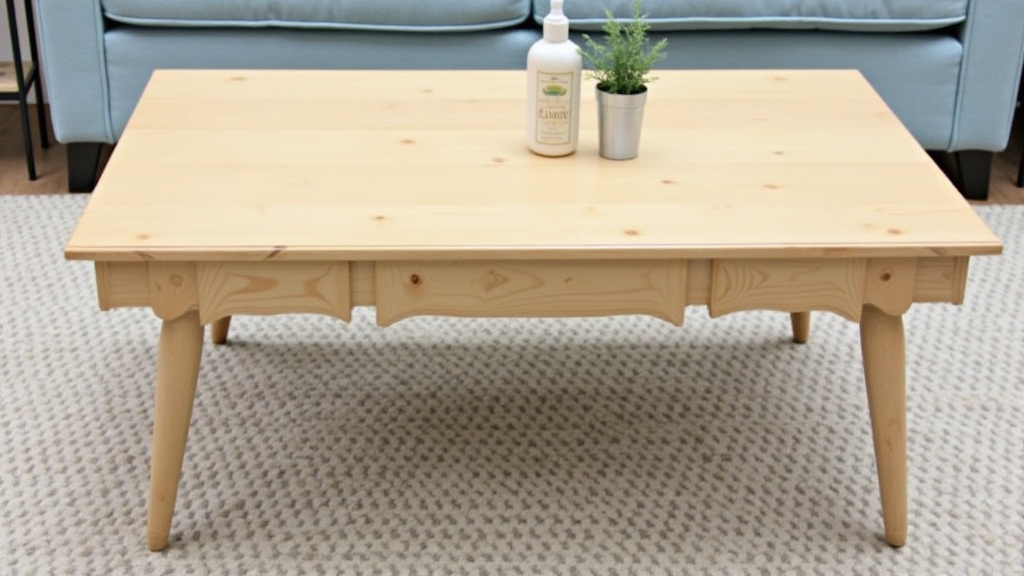
Reviving the Forgotten: The Art of the Furniture Upcycle
Finding a solid wood coffee table at a thrift store or estate sale is like discovering a diamond in the rough. However, many DIY enthusiasts jump into a furniture upcycle project only to be met with peeling finishes, blotchy stains, or permanent heat rings. The problem usually isn't the wood itself, but a lack of understanding regarding the chemistry of old finishes and the patience required for a professional-grade restoration.
As someone who has spent over a decade working with natural materials in landscaping and outdoor design, I’ve learned that whether you are treating a cedar deck or a mahogany coffee table, the wood demands respect. If you rush the process, the wood will eventually betray the shortcut. To get that high-end look, you must understand why furniture finishes fail and how to prevent those issues from recurring in your living room.
Root Causes of Finish Failure and Damage
Before you pick up a sander, it is crucial to understand why your thrifted find looks the way it does. Most damage to vintage coffee tables stems from three main sources: environmental stress, improper previous maintenance, and the natural breakdown of aged topcoats.
Moisture and Heat Intrusion
The most common issues—white rings and dark water spots—are caused by moisture trapped beneath the surface of the finish or heat separating the finish from the wood fibers. When a hot mug or a sweating glass is placed directly on a table without a coaster, it creates a thermal shock. Over time, this weakens the bond of the lacquer or varnish, leading to flaking.
Chemical Contamination
Many thrifted pieces have been treated for decades with silicone-based furniture polishes. These polishes seep into the wood pores and create a barrier that prevents new stains and topcoats from adhering. This is the primary cause of 'fish-eye'—small circular craters that appear in your new finish.
Incompatible Layers
Often, a previous owner may have attempted a quick 'refresh' by layering a water-based finish over an old oil-based one without proper sanding. This results in a finish that never truly hardens or peels off in sheets. It is worth doing right the first time by stripping back to the bare wood rather than adding to the problem.
Immediate Steps: The Preparation Phase
Refinishing is 90% preparation and 10% application. If you don't prepare the surface correctly, even the most expensive stain will look amateurish. Trust your instincts on this one; if the surface feels sticky or looks uneven after cleaning, it isn't ready for sanding.
Step 1: Deep Cleaning
Start by removing years of wax and grime. Use a dedicated wax remover or a mixture of mineral spirits and water. This prevents you from driving old wax and silicone deeper into the wood grain during the sanding wood furniture phase.
Step 2: Assessing the Material
Determine if you are working with solid wood or a veneer. A veneer is a very thin layer of high-quality wood glued over particleboard or cheaper wood. If you sand too aggressively on a veneer, you will 'sand through' to the substrate, which is a mistake that is very difficult to fix. Take your time with this assessment.
Step 3: Systematic Sanding
When sanding wood furniture, the goal is to remove the old finish and level the wood fibers without leaving scratch marks. Start with a coarse grit (around 80 or 100) and move progressively to finer grits (120, 150, and 220). Never skip a grit level. The small details matter here; ensure you sand in the direction of the grain to avoid cross-grain scratches that will show up prominently once you begin staining the coffee table.
The Transformation: Staining and Sealing
Once you have achieved a smooth, bare-wood surface, you are ready for the aesthetic transformation. This is where your diy wood finish comes to life.
Choosing Your Stain
Stains come in oil-based, water-based, and gel varieties. Oil-based stains provide the best depth of color and longer working times, which is helpful for beginners. Gel stains are excellent for woods that tend to be blotchy, like pine or maple. Before committing to the whole table, test your stain on the underside of the piece to see how the specific wood species reacts.
Applying the Finish
Apply the stain with a lint-free cloth or a foam brush. Let it sit for the recommended time, then wipe away the excess completely. Do not let excess stain dry on the surface, or it will become tacky and peel later. It is worth doing right the first time, even if it means applying multiple thin coats to reach your desired darkness.
The Protective Topcoat
To prevent the root causes of damage mentioned earlier, you need a high-quality sealant. Polyurethane is the standard for coffee tables because of its durability. For a living room piece that sees high traffic, apply at least three coats of polyurethane, lightly sanding with 320-grit sandpaper between coats to ensure a glass-smooth finish.
Long-Term Prevention Strategies
After your furniture upcycle is complete, you want it to last for another thirty years. Prevention is much easier than another full refinish.
- Climate Control: Wood is a natural material that expands and contracts. Keep your coffee table away from direct heat vents and humidifiers to prevent the wood from warping or the finish from cracking.
- UV Protection: Direct sunlight can bleach wood and break down chemical bonds in the finish. Use curtains or UV-protective window films to shield your piece.
- The Coaster Rule: It sounds simple, but using coasters for both hot and cold drinks is the single best way to prevent finish failure.
- Gentle Cleaning: Avoid aerosol dust sprays. A slightly damp microfiber cloth is all you need to maintain a modern diy wood finish.
When to Call a Professional
While most coffee tables are great DIY projects, some situations require a specialist's touch. If you discover the table is a valuable antique (like an original Mid-Century Modern piece by a known designer), DIY sanding could strip away thousands of dollars in value. Additionally, if the table has severe structural damage, such as a split top or broken joinery that requires advanced woodworking tools, a professional furniture restorer is your best bet. Do not rush the process of choosing between a DIY fix and professional help.
Conclusion
Refinishing a thrifted coffee table is a rewarding journey that connects you with the craftsmanship of the past. By understanding the root causes of wood damage and following a disciplined sanding and staining process, you can create a centerpiece for your living room that is both beautiful and resilient. Remember, small details matter here. Take your time, trust your instincts, and enjoy the process of bringing new life to old wood.