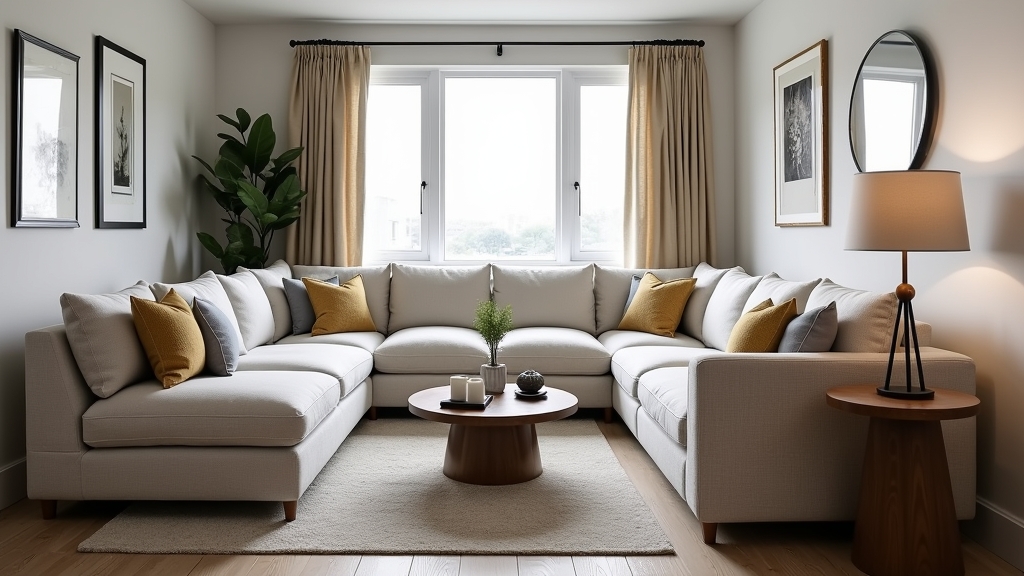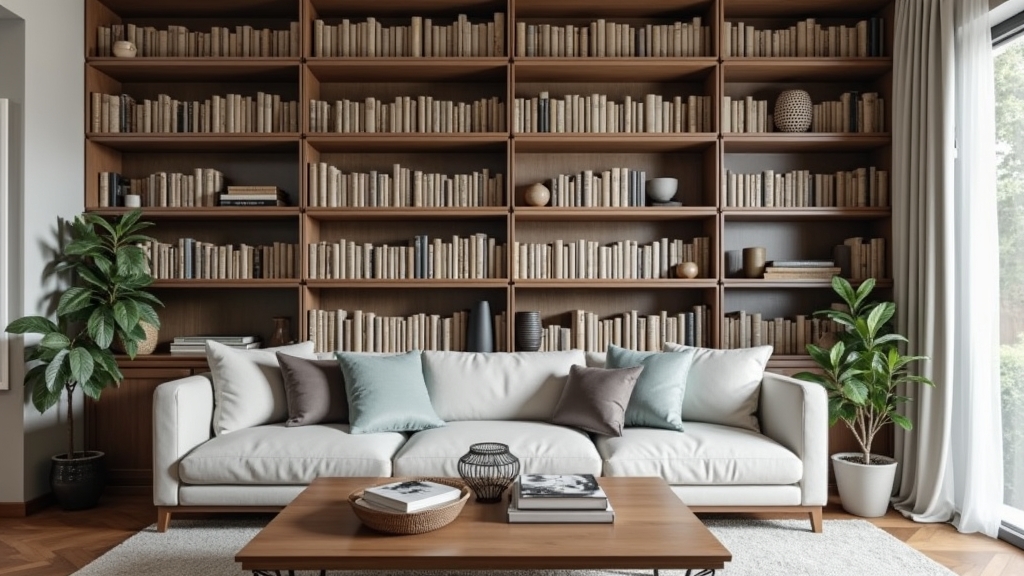
As someone who spends most of my days helping people maximize their tiny balcony gardens and urban living spaces, I’ve learned that the secret to a happy home isn't just about the plants—it’s about the structural integrity of your comfort. There is nothing more frustrating than coming in from a long afternoon of repotting spider plants, ready to collapse onto the sofa, only to have the cushions slide right out from under you like loose topsoil on a steep grade.
Here is the thing: couch cushions that won’t stay put are more than just a minor annoyance. They cause poor posture, ruin the aesthetic of your living room, and can even lead to premature wear and tear on your furniture's upholstery. In my years of optimizing small apartments, I’ve found that the same attention to detail we give to stabilizing a trellis can be applied to our furniture maintenance.
The Sliding Cushion Struggle
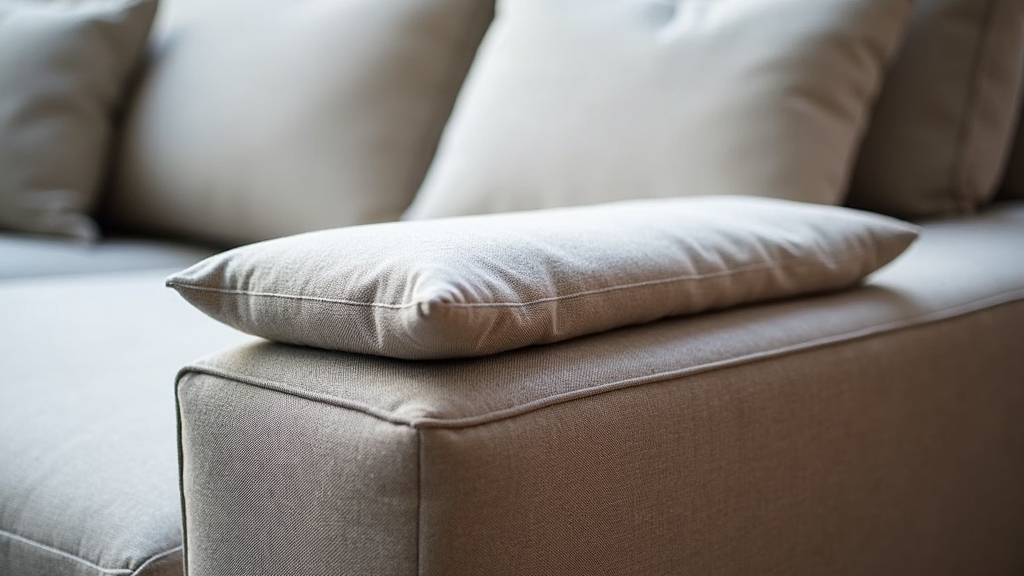
Most modern sofas are designed for style over friction. Whether you have a sleek leather sectional or a soft microfiber loveseat, the gap between the frame and the cushion often lacks the grip necessary to withstand the daily "plop" of sitting down. Now, the important part: before you go out and buy a whole new sofa, you should know that this is an incredibly common (and fixable) issue.
Option 1: Non-Slip Rug Pads and Shelf Liners
This is the most popular "hack" in the apartment gardening community because we often have these materials lying around for our plant saucers. Rubberized mesh liners are designed to keep things from shifting, making them a natural candidate for furniture maintenance.
Pros and Cons of Shelf Liners
The good news is that shelf liners are incredibly inexpensive and readily available at any dollar store. They are thin enough that they don’t change the height or feel of the seat, and they can be cut to any size with basic kitchen shears.
On the other hand, shelf liners aren't always a long-term fix. Over time, the rubber can break down and leave a sticky residue on the sofa frame—a bit like how an old garden hose can get gummy in the sun. They also tend to bunch up if you have high-energy pets or kids who treat the couch like a jungle gym.
Option 2: Heavy-Duty Velcro for Cushions
If you want a solution that feels permanent, velcro for cushions is the industrial-strength answer. This involves attaching one side of the hook-and-loop tape to the couch frame and the other to the underside of the cushion.
Pros and Cons of Velcro
This is where it gets interesting: Velcro provides a physical mechanical bond. Once it’s locked in, that cushion isn't going anywhere. It’s perfect for leather sofas where friction-based pads might slide along with the cushion.
However, something to keep in mind is the adhesive. If you have a high-end fabric or antique sofa, the sticky backing of the Velcro can damage the fibers. Furthermore, the "hook" side of the Velcro can snag delicate fabrics like silk or thin cotton if the cushion isn't aligned perfectly. It’s a high-reward but high-risk strategy.
Option 3: Specialized Non-Slip Sofa Pads
In the world of furniture maintenance, there are products specifically engineered for this exact problem. These are often felt-like pads with a high-friction coating on both sides, specifically designed to stop sliding couch cushions without the mess of adhesives.
Pros and Cons of Dedicated Grippers
What most people miss is that these pads are often breathable, which prevents moisture buildup—important if you live in a humid climate or have a lot of indoor plants contributing to the ambient moisture. They are generally "furniture safe," meaning they won't discolor your upholstery.
The downside? They are the most expensive option on this list. While they are effective, you are paying for the convenience of a pre-cut, specialized product rather than a DIY solution.
Cost Breakdown: From Budget to Premium
Let's talk numbers. When you're managing a household budget, every dollar counts—whether it's for premium potting soil or couch repairs. Here is a realistic cost analysis for a standard three-seater sofa.
- Shelf Liners/Rug Pads: $5 – $12. A single roll usually covers an entire sofa.
- Velcro Strips: $15 – $25. You’ll need industrial-grade wide strips for the best results.
- Specialized Non-Slip Pads: $25 – $45. This usually covers a set of three pre-cut pads.
- DIY Rubber Matting: $10 – $15. Buying bulk rubber mesh from a hardware store.
Best Use Cases for Each Method
Which one should you choose? Just like choosing the right fertilizer for a fiddle leaf fig, it depends on the environment.
The Budget-Conscious Apartment Dweller: If you’re in a rental and don't want to make permanent changes, go with the rug pad. It’s cheap, effective for moderate use, and won't leave a mark if you move out in a year.
The Active Family: If you have kids jumping on the furniture, go with the heavy-duty Velcro. The mechanical bond is the only thing that will stand up to that kind of force.
The Luxury Furniture Owner: If you’ve invested thousands in a high-end sofa, don’t skimp. Buy the specialized non-slip sofa pads. They protect your investment while solving the problem.
Maintenance Tips to Keep Cushions in Place
Worth mentioning is that stopping the slide isn't just about the pads; it’s about hygiene. Dust and pet hair act like tiny ball bearings between your cushion and the frame. The good news is that a simple weekly vacuuming session can significantly increase the natural friction of your sofa.
Make sure to flip and rotate your cushions monthly as well. This prevents "troughing," where the foam wears down in a specific direction, encouraging the cushion to slide outward. Think of it like rotating your indoor plants so they grow straight toward the light!
Final Recommendation
After helping countless clients optimize their small spaces, my final recommendation for the average person is to start with a high-quality rug pad. It strikes the best balance between cost and performance. If you find the cushions still drifting after a week, then consider upgrading to the Velcro or specialized pads.
Remember, a home should be a place of rest. Don't let a sliding cushion stand between you and your post-gardening relaxation time!