The Challenge of the Dual Focal Point
Designing a living room layout around both a fireplace and a television is one of the most common dilemmas homeowners face. Historically, the fireplace was the undisputed heart of the home, providing warmth and a natural gathering spot. Today, the television often competes for that central position. When these two elements are at odds, the room can feel disjointed or physically uncomfortable to inhabit.
Here is the thing: most living rooms weren't originally designed to accommodate large digital screens alongside traditional masonry. This often leads to the 'neck-strain' effect where the TV is mounted too high, or a furniture arrangement that forces you to choose between watching a movie and enjoying the fire. Now, the important part is finding a balance that honors the architectural beauty of the fireplace while ensuring the TV remains functional for daily use.
Seasonal Considerations for Your Living Room Layout
A truly functional home evolves with the calendar. What feels cozy in December might feel claustrophobic in July. This is where it gets interesting: your furniture arrangement doesn't have to stay static. By shifting your layout based on the season, you can maximize the utility of both your fireplace and your screen.
Spring and Summer: Prioritizing Flow and Natural Light
During the warmer months, the fireplace often becomes a secondary element. This is the time to orient your furniture toward windows or the TV, allowing the fireplace to act as a decorative backdrop. Consider using lighter textiles and pulling furniture away from the hearth to create better airflow. Worth mentioning is that summer sun can cause significant glare on screens, so your layout should account for the sun's path during peak viewing hours.
Fall and Winter: Creating the Hearth-Centered Hub
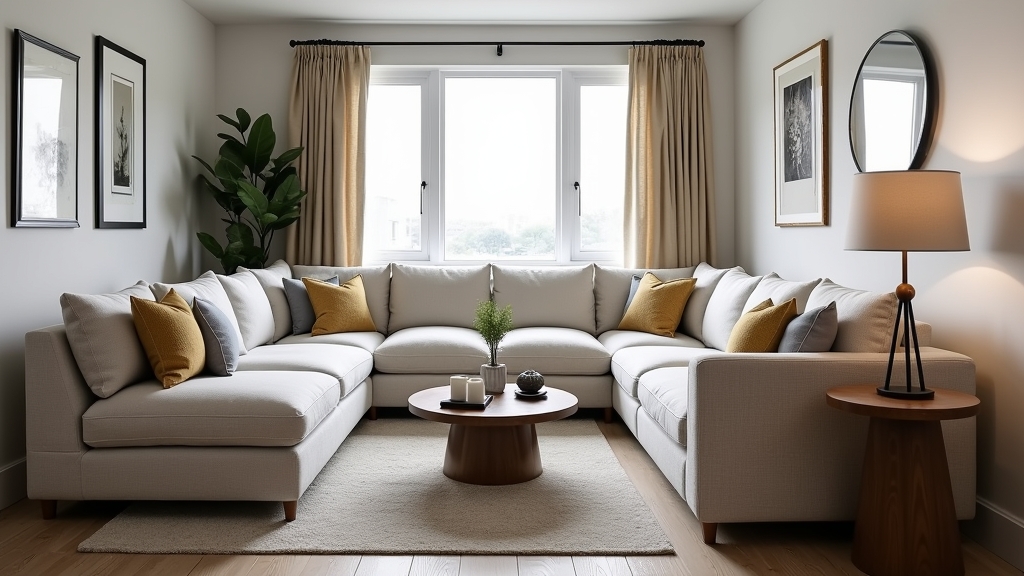
As temperatures drop, the fireplace regains its status as the primary focal point. The good news is that you can pivot your seating to create a 'U-shape' or 'L-shape' that encompasses both the screen and the fire. This arrangement encourages conversation and warmth. Something to keep in mind is the clearance required for heat safety; ensuring rugs and upholstery are at a safe distance from the hearth is crucial when the fire is active.
Effective Fireplace and TV Placement Strategies
Depending on your room's dimensions, there are several proven ways to organize these two focal points. Each has its pros and cons regarding viewing angles and aesthetic balance.
The Vertical Stack: TV Above the Fireplace
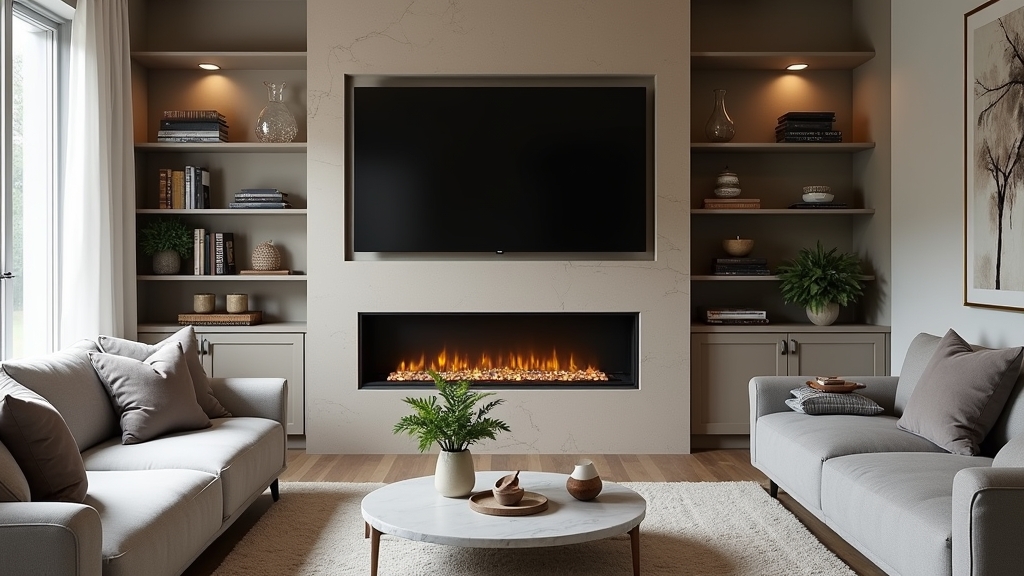
This is the most common solution for small rooms because it saves floor space. However, what most people miss is the ergonomic impact. Mounting a TV over a high mantel often results in a viewing angle that is too high for comfortable long-term watching. To make this work, use a pull-down mount that allows the screen to sit at eye level when in use, then retracts during a fire.
The Side-by-Side Arrangement
If you have a wide wall, placing the TV on a low console next to the fireplace creates a balanced, linear look. This allows the eye to travel easily between both points. On the other hand, if the TV is much larger than the fireplace opening, it can make the room feel lopsided. Using built-in shelving or a consistent color palette across the wall can help unify the two elements.
The Perpendicular Layout (L-Shape)
In this configuration, the fireplace is on one wall and the TV is on an adjacent wall. This is often the most practical choice for larger living rooms. You can place a sectional sofa in the corner, allowing some seats to face the fire while others face the screen. This layout effectively creates two distinct zones within one room without requiring physical dividers.
Practical Tips from Experience
Achieving a professional look doesn't require a massive renovation. Often, small adjustments in furniture arrangement and accessory placement make the biggest difference.
- Check your sightlines: Before moving heavy furniture, sit in your favorite chair and have someone hold a piece of cardboard the size of your TV at the proposed height. If you have to tilt your head back, it’s too high.
- Manage the cables: Nothing ruins a fireplace aesthetic like tangled wires. Use cord covers that match your wall color or look for furniture with integrated wire management.
- Balance the visual weight: If your fireplace is dark stone and your TV is a black rectangle, the room can feel bottom-heavy. Add artwork or shelving to the upper half of the walls to draw the eye upward.
- Use swivel chairs: These are a game-changer for dual-focal-point rooms. They allow guests to easily transition from watching a game to facing a fire or joining a conversation.
Common Mistakes to Avoid
One of the biggest errors is ignoring the scale of the furniture. Huge overstuffed sofas in a small room with a fireplace and TV can make the space feel cramped and difficult to navigate. Always maintain clear walkways of at least 30 to 36 inches between furniture pieces.
Another frequent oversight is neglecting the 'lighting' of the room. Fireplaces provide warm, flickering light, while TVs emit cool, blue light. When both are on, the contrast can be jarring. Using dimmable warm-toned lamps can help bridge the gap and create a more cohesive atmosphere. Finally, avoid placing the TV directly opposite a large window without blackout curtains, as the reflection will render the screen unusable during the day.
Summary of Layout Options
Ultimately, the best living room layout for you depends on how you use the space. If you are a cinephile, the TV takes precedence. If you value quiet evenings with a book, the fireplace is king. The goal is to create a space where neither element feels like an afterthought, but rather a deliberate choice that enhances your home’s livability throughout the year.