The Reality of Driveway Maintenance
In most homes, the driveway is one of the most neglected structural elements until a major problem arises. From experience, I have found that homeowners often view a driveway as a static slab of material, when in reality, it is a dynamic system that reacts to soil moisture, temperature fluctuations, and weight distribution. What works best is addressing issues the moment they appear, rather than waiting for a small crack to become a structural failure.
Over the years, I have learned that the difference between a driveway that lasts thirty years and one that fails in ten usually comes down to how the owner handles minor repairs. A common situation is seeing a homeowner apply a topical filler to a deep crack, only to have it pop out after the first frost. The key thing to remember is that a surface fix will never solve a subsurface problem.
Root Causes and Contributing Factors
The real issue usually isn't the concrete or asphalt itself; it is what lies beneath it. In my experience, most driveway failures can be traced back to one of three primary culprits.
Water Infiltration and Drainage
Water is the primary enemy of any paved surface. When water penetrates the surface through small cracks, it erodes the sub-base—the layer of crushed stone or soil that supports the driveway. One thing many people overlook is the impact of hydrostatic pressure. When water trapped under the driveway freezes, it expands, pushing the material upward. This is known as frost heave, and it is a leading cause of asphalt repair needs in colder climates.
Soil Compaction and Settling
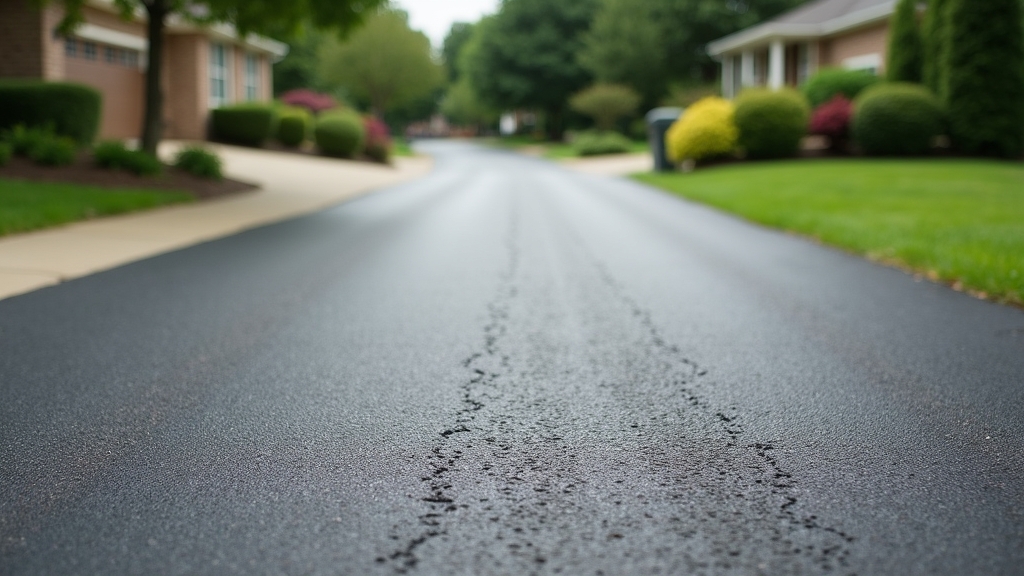
If the ground was not properly compacted during the initial construction, the weight of vehicles will eventually cause the driveway to sag or sink. I have seen countless instances where heavy delivery trucks caused localized 'alligator cracking' in asphalt because the base layer was too soft to support the load. This type of damage indicates a structural failure that a simple patch cannot fix.
Vegetation and Tree Roots
While we all appreciate curb appeal, planting large trees near a driveway is a recipe for long-term disaster. As roots grow, they exert immense upward pressure. In my experience, if a crack is accompanied by a visible hump in the pavement, a root is almost certainly the cause. In these cases, the repair must involve addressing the root, or the crack will return within a year.
Immediate Steps to Take
When you notice a new crack or a low spot, the clock starts ticking. The goal of immediate repair is to prevent moisture from reaching the sub-base. What I have found is that the following sequence provides the most reliable temporary stabilization before a permanent fix can be implemented.
Cleaning and Debris Removal
You cannot repair a dirty driveway. The first step is always to remove vegetation, dirt, and loose material from the crack. I recommend using a stiff wire brush or a high-pressure air nozzle. If there is oil or grease on the surface, it must be neutralized, as these substances prevent repair materials from bonding to the existing driveway.
Assessing Crack Width
Not all cracks are created equal. In my experience, cracks narrower than a quarter-inch can often be managed with high-quality liquid fillers. However, if a crack is wider than half an inch, it requires a backer rod—a foam rope inserted into the crack—to provide a base for the sealant. This prevents the sealant from sinking too deep and ensures it can expand and contract with the driveway.
Leveling Sunken Sections
If a section of concrete has sunk, the immediate priority is to prevent it from becoming a trip hazard or a collection point for water. While temporary 'cold patch' materials exist for asphalt, concrete sections may require professional 'mudjacking' or polyurethane foam injection to be brought back to level. One thing many people overlook is that a sunken section is often a sign of a drainage pipe leak underground.
Long-Term Prevention Strategies
To move beyond temporary band-aids, you must focus on the longevity of the entire system. From maintaining dozens of properties, I have identified several strategies that provide the best return on investment.
Proper Sealing Schedules
For asphalt repair and maintenance, sealcoating is essential, but it is often overdone. Over-sealing can lead to a brittle surface that cracks easily. What works best is sealing an asphalt driveway every three to five years. This replaces the oils lost to UV exposure and keeps the surface flexible. For concrete, a high-quality penetrating sealer can prevent water from soaking into the pores of the material, significantly reducing the risk of spalling and salt damage.
Managing Edge Integrity
The edges of a driveway are its weakest points. In most homes, the soil around the driveway eventually washes away, leaving the edges unsupported. I have found that backfilling the edges with compacted gravel or topsoil and sod can prevent 'edge cracking.' This simple maintenance task diverts water away from the sub-base and provides lateral support to the pavement.
Optimizing Drainage Pathways
The real issue usually is where the water goes after it leaves the driveway. If your gutters discharge directly onto the pavement, you are inviting premature failure. I always recommend extending downspouts at least five feet away from the driveway edge. Additionally, installing a French drain or a trench drain along the uphill side of a driveway can intercept groundwater before it ever reaches the sub-base.
When to Call a Professional
There is a limit to what a DIY approach can achieve. Over the years, I have learned that certain symptoms indicate a need for heavy equipment and professional expertise.
- Extensive Alligator Cracking: If your asphalt looks like the back of a crocodile, the base has failed. This requires a 'dig-out' repair where the old material is removed and the base is rebuilt.
- Significant Heaving: If a section of the driveway has risen by more than an inch, it likely involves a major root or a significant frost heave issue that requires specialized excavation.
- Structural Foundation Issues: If a driveway crack extends into the foundation of a garage or the home itself, it is no longer a driveway repair issue—it is a structural engineering concern.
- Large-Scale Resurfacing: While small patches are manageable, attempting to resurface an entire driveway without the proper heat-treatment or vibration tools usually results in a finish that peels within two years.
Final Thoughts
Driveway repair is not just about aesthetics; it is about protecting the structural integrity of your property's entrance. In my experience, the homeowners who spend a few hours each spring inspecting and sealing minor cracks are the ones who avoid the five-figure cost of a full driveway replacement. Remember, the goal is always to keep water out and the sub-base stable. If you do those two things, your driveway will serve you well for decades.