In most homes, the backyard fence is the most neglected structural element until it starts leaning or a picket falls off. From experience, I can tell you that a wood fence is a living thing—it breathes, expands, and eventually decays if left to the elements. The real issue usually isn’t the wood itself, but the lack of a consistent fence maintenance strategy. When homeowners call me for a fence repair, they are often at a crossroads: do they patch the holes, restore the finish, or tear the whole thing down and start over? This guide breaks down these approaches so you can make the most cost-effective decision for your property.
The Three Pillars of Fence Longevity
To understand which approach you need, you first have to understand the three primary methods of fence care. Over the years, I have learned that most people confuse 'repair' with 'restoration.' They are distinct processes with different goals.
Component Repair
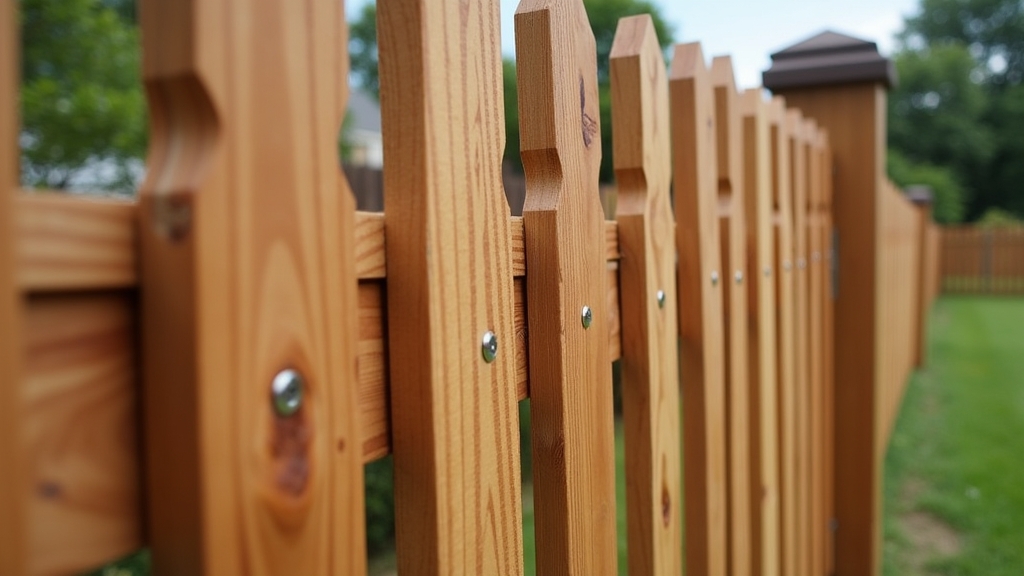
This is the surgical approach. It involves replacing individual pickets, backer rails, or sections of hardware. A common situation is a fence that is structurally sound but has suffered localized damage from a falling branch or a weed whacker hitting the bottom of the pickets.
Structural Reinforcement
The key thing to remember here is that a fence is only as strong as its posts. Structural reinforcement focuses on stabilizing leaning posts or failing foundations. What works best is catching this early before the weight of a leaning fence pulls down the adjacent healthy sections.
Surface Restoration
This method focuses on the aesthetics and weatherproofing of the wood fence. It involves deep cleaning (often mistakenly called 'power washing' when 'soft washing' is better), brightening the wood, and applying a high-quality stain or sealant.
Pros and Cons of Each Approach
The Repair Approach
- Pros: Lowest immediate cost; can be done in an afternoon; preserves existing materials.
- Cons: Often results in a 'patchwork' look where new wood doesn't match the weathered gray of the old wood; does not address underlying rot issues.
The Restoration Approach
- Pros: Dramatically increases curb appeal; adds 5-7 years to the lifespan of the wood; protects against UV and moisture.
- Cons: Highly labor-intensive; weather-dependent; requires specific equipment like sprayers and professional-grade cleaners.
The Replacement Approach
- Pros: Guarantees structural integrity; allows for design updates; increases property value significantly.
- Cons: Highest upfront cost; requires permits in many jurisdictions; involves significant landscape disruption.
Cost Comparison: Real-World Numbers
One thing many people overlook is the 'cost per year' rather than just the initial price tag. Here is a breakdown of what I usually see in the field for a standard 100-linear-foot wood fence.
| Method | Estimated Cost | Lifespan Added |
|---|---|---|
| Basic Repair (Pickets/Hardware) | $150 - $400 | 1-2 Years |
| Structural Reinforcement (Post Braces) | $500 - $1,200 | 3-5 Years |
| Full Restoration (Clean/Stain) | $800 - $1,500 | 5-7 Years |
| Full Replacement (Cedar) | $3,500 - $6,000 | 15-20 Years |
When to Repair vs. When to Replace
From experience, I use the '30% Rule.' If more than 30% of your fence boards are showing signs of rot, or if more than two consecutive posts are failing below the ground line, the labor costs of repairing will soon eclipse the cost of a full replacement. What I have found is that homeowners often spend $1,000 on 'band-aid' repairs over three years, only to realize the fence is too far gone and they eventually have to spend $5,000 on a new one anyway. That $1,000 was essentially wasted.
A common situation is 'Ground Rot.' If you can stick a screwdriver more than half an inch into the post at the point where it meets the soil or concrete, that post is structurally compromised. If this is happening to every post, do not waste money on fence maintenance—it is time for a replacement.
The Technician's Maintenance Checklist
To avoid the 'replacement' scenario for as long as possible, follow this routine. I’ve seen fences last 25 years with this exact plan:
- Annual Inspection: Walk the line every spring. Give every post a firm shake. Check for loose fasteners.
- Clear the Bottom: Never let mulch or soil touch the bottom of your pickets. This 'wicking' effect is the #1 cause of wood fence failure. Keep a 2-inch gap between the wood and the ground.
- Fastener Check: Over the years, I have learned that many builders use cheap nails. If you see 'bleeding' (dark streaks) from nails, they aren't galvanized. Replace them with stainless steel or hot-dipped galvanized screws to prevent rot from the inside out.
- The Water Test: Splash some water on the wood. If it soaks in and the wood turns dark instantly, your sealant has failed. If it beads up, you are still protected.
Final Recommendation
If your fence is less than 10 years old and the posts are straight, invest in a full restoration. Clean it with an oxygen bleach solution (not chlorine bleach, which damages wood fibers) and apply a paraffin-oil-based penetrating stain. This keeps the wood supple and prevents the drying and cracking that leads to failure. However, if your fence is over 15 years old and the wood feels 'soft' or punky throughout, prioritize your budget for a full replacement using steel posts (like Postmaster style) to ensure you never have to deal with post rot again.