Ensuring Deck Railing Safety: Why Stability Matters
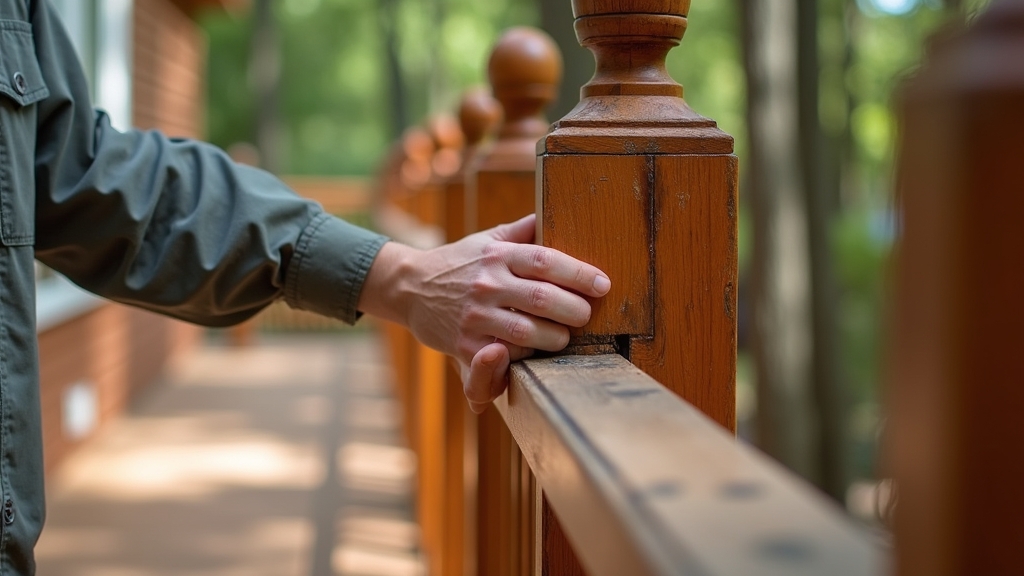
In most homes, the deck serves as the primary transition between the comfort of the indoors and the beauty of the landscape. However, nothing ruins a summer evening faster than leaning against a railing and feeling that dreaded 'give.' From experience, a wobbly deck railing isn't just an annoyance; it is a significant safety hazard that can lead to catastrophic falls. Over the years, I have learned that while many homeowners ignore a slight sway, wood is a dynamic material that expands, contracts, and eventually weakens at the joints.
The real issue usually is not the railing itself, but the connection between the vertical 4x4 posts and the deck’s rim joist. If you are dealing with a loose deck post fix, you need more than just a longer nail. In this guide, we will compare the most effective methods to restore structural integrity to your outdoor space, from simple tightening to advanced structural retrofitting.
Method 1: Tightening and Upgrading Existing Fasteners
The Low-Cost Starting Point
What I have found is that about 30% of wobbly railings are caused by the natural shrinkage of pressure-treated lumber. When the wood dries out after installation, the holes around your bolts can enlarge slightly, creating play. This is often the first thing I check during a site inspection.
Pros: Extremely affordable; requires minimal tools (socket wrench/impact driver); preserves the original look of the deck.
Cons: Often a temporary fix; won't solve structural issues like rot or improper original installation; limited effectiveness on posts with significant leverage.
Best Use Case: Newer decks (1-3 years old) where the wood has simply seasoned and the hardware has loosened slightly.
Method 2: Adding Internal Blocking and Bracing
Strengthening the Frame
A common situation is finding a post that is only attached to a single rim joist without any interior support. In my experience, the 'lever effect' is the enemy here. A 36-inch tall post acts as a powerful lever that can easily twist a single joist. By adding 'blocking'—short pieces of 2x8 or 2x10 lumber—between the joists behind the post, you distribute the force across a much larger area of the deck frame.
Pros: Significantly increases rigidity; uses standard lumber scraps; creates a rock-solid feel that tightening bolts alone cannot achieve.
Cons: Requires access to the underside of the deck; more labor-intensive; requires cutting lumber to precision lengths.
Best Use Case: Decks where you have clear access to the joist bays from underneath and the posts are currently only bolted to the outer rim.
Method 3: Structural Hardware and Tension Ties
The Professional Retrofit
What works best for long-term safety, and what most modern building codes now require, is the use of structural tension ties (such as the Simpson Strong-Tie DTT2Z). One thing many people overlook is that a post should be tied back into the house's floor system or the deck's joist structure, not just the rim joist. These metal brackets create a continuous load path that makes it nearly impossible for the post to pull away.
Pros: Meets or exceeds most modern building codes; provides the highest level of safety; virtually eliminates wobble for the life of the deck.
Cons: Most expensive hardware option; requires specific structural screws; more complex installation for DIYers.
Best Use Case: High-elevation decks, commercial properties, or any homeowner who wants a permanent 'fix it and forget it' solution.
Method 4: How to Tighten Balusters and Rails
Addressing the Rattle
Sometimes the post is solid, but the railing system itself feels flimsy. To tighten balusters, you usually need to address the connection points at the top and bottom rails. Over the years, I've seen many people try to use wood glue, but in an outdoor environment, the key thing to remember is that mechanical fasteners and specialized gaskets are superior. Silicone-based baluster plugs or stainless steel trim screws are the way to go here.
Pros: Eliminates annoying rattles; improves the aesthetic feel of the railing.
Cons: Purely cosmetic/comfort-based; does not improve the structural safety of the posts.
Best Use Case: Railings where the posts are sturdy but the 'infill' components move or make noise in the wind.
Cost and Effort Comparison
| Method | Estimated Cost | Difficulty Level | Longevity |
|---|---|---|---|
| Tightening Bolts | $0 - $20 | Easy | Low/Medium |
| Wood Blocking | $20 - $50 | Moderate | High |
| Structural Hardware | $15 - $30 per post | Moderate/Advanced | Very High |
| Baluster Tightening | $10 - $40 | Easy | Medium |
Deck Repair Tips for Success
Before you begin any loose deck post fix, here are a few professional tips I’ve picked up over a decade of landscaping and deck maintenance:
- Check for Rot First: Take a flathead screwdriver and try to poke the wood near the bolts. If it sinks in like butter, no amount of tightening will save it. You must replace the wood.
- Use Stainless Steel or Hot-Dipped Galvanized: Never use standard interior screws. They will corrode and fail within a year or two in the elements.
- Pilot Holes are Vital: When adding new lag screws or blocking, always drill pilot holes to prevent the existing (often dry) deck lumber from splitting.
- The 4-Inch Rule: While you're fixing the wobble, check your baluster spacing. For deck railing safety, a 4-inch sphere should not be able to pass between any balusters.
Final Recommendation: Which Method Should You Choose?
If you are looking for the absolute best result, I always recommend a combination of Method 2 and Method 3. Adding internal blocking and securing it with structural tension ties creates a railing that is essentially part of the deck's skeleton. It is the only way to truly guarantee safety, especially if you have children or frequent guests. However, if your budget is tight and the wood is in great shape, starting with a simple bolt upgrade (Method 1) is a perfectly valid first step. Just remember: if the wobble returns in six months, it's time to go structural.