Creating Ambiance Without Structural Damage
In most homes, the desire to add outdoor ambiance often clashes with the reality of maintaining the property's exterior. Many homeowners want to hang patio string lights but hesitate because they do not want to drill holes into siding, stucco, or brick. Nails and screws can create pathways for moisture to enter the wall cavity, eventually leading to rot or pest issues. As an energy efficiency advisor, I often see how minor punctures in a home's envelope can lead to larger insulation and structural problems over time.
The real issue usually is not just about aesthetics; it is about finding a mounting solution that lasts for years without compromising your home's integrity. Whether you are dealing with a small apartment balcony or a sprawling backyard deck, you can achieve a professional-grade lighting setup using non-invasive hardware.
Why Avoid Drilling for Outdoor Lighting?
From experience, I have found that traditional mounting methods often fail in outdoor environments due to seasonal expansion and contraction. When you drive a nail into wood or masonry, you create a permanent entry point for water. Over several seasons, the freeze-thaw cycle can expand these holes, causing the hardware to loosen and the lights to sag.
A common situation involves renters who face strict lease agreements. Apartment balcony lighting is highly desirable, but any permanent modification can result in a lost security deposit. Furthermore, drilling into metal railings or vinyl siding can lead to rust or cracking. What works best is a solution that relies on friction, tension, or existing structural features to support the weight of the lights.
Immediate Steps for Temporary Lighting
If you need a quick solution for an upcoming event, there are several reliable options that require zero tools. These methods are excellent for testing your layout before committing to a more permanent, long-term setup.
- Adhesive Exterior Hooks: Look for heavy-duty hooks specifically rated for outdoor temperatures. These use a silicone-based adhesive that resists moisture and UV rays.
- Plastic Gutter Clips: These are ideal for hanging Edison lights along the roofline. They slide over the lip of the gutter and hold the wire securely without any adhesive or fasteners.
- Nylon Zip Ties: For balcony railings or fences, zip ties are the most secure immediate option. Use UV-rated black zip ties, as standard white ones will become brittle and snap after a few months in the sun.
Long-Term Damage-Free Solutions
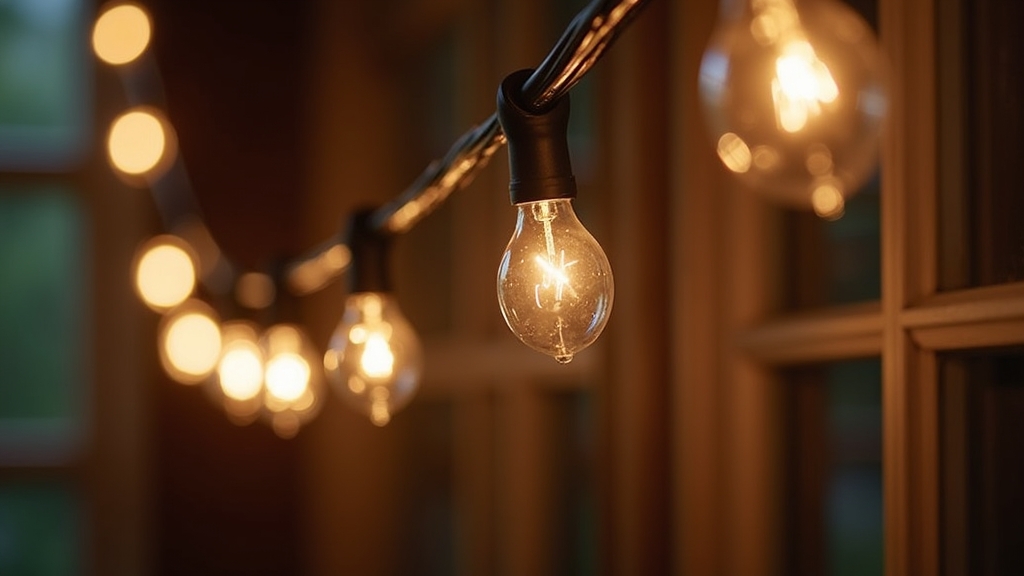
For a permanent setup that looks professional and stays secure year-round, you should consider more robust hardware. One thing many people overlook is the weight of the cable itself. Heavy-duty patio string lights with glass Edison bulbs require substantial support to prevent sagging.
1. Tension Poles and Support Posts
What I have found is that tension poles are the best solution for open patios where no overhead structure exists. These poles wedged between the floor and a ceiling or overhang provide a solid mounting point. If you do not have a ceiling, you can use weighted planters. Fill a heavy pot with concrete and insert a 4x4 wooden post or a metal conduit. This allows you to move the lights if you decide to rearrange your patio furniture later.
2. Shingle and Siding Clips
If you are mounting lights against the house, siding clips are a game-changer. These stainless steel clips slide under the lap of your vinyl or aluminum siding. They use tension to stay in place and can support the weight of hanging Edison lights without piercing the material. This maintains your home's weather barrier, which is a key factor in long-term energy efficiency.
3. Magnetic Hooks for Metal Structures
Many modern pergolas and apartment balconies are made of steel or aluminum. High-strength neodymium magnetic hooks can hold up to 50 pounds each. In my experience, these are the most "permanent" feeling non-permanent solutions. They do not move even in high winds, yet you can remove them in seconds without leaving a mark.
Energy Efficiency and Maintenance
The key thing to remember when installing no-drill outdoor lighting is the impact on your utility bill. Over the years, I have learned that many homeowners leave their string lights on all night, which is a significant energy drain. I always recommend two specific additions to any string light project:
LED Transition: Ensure your string lights use LED bulbs. A standard string of incandescent Edison bulbs can pull 150-300 watts, whereas an LED version pulls only 15-30 watts for the same brightness. This 90% reduction in energy usage adds up over the summer months.
Smart Timers and Dimmers: Instead of a manual switch, use an outdoor-rated smart plug. You can program the lights to turn on at sunset and off at midnight. This prevents phantom energy loss and extends the lifespan of the bulbs.
When to Call a Professional
While most no-drill solutions are DIY-friendly, there are certain scenarios where you should consult a professional. If your plan involves running long spans of heavy-gauge wire (over 30 feet) without support, you may need a guy-wire system. A professional can ensure the tension does not pull on your home's gutters or trim in a way that causes structural fatigue.
Additionally, if you do not have an exterior GFCI (Ground Fault Circuit Interrupter) outlet, call an electrician. Using extension cords through windows or doors breaks the thermal seal of your home and creates a fire hazard. A professional can install a dedicated, weather-protected outlet that keeps your home efficient and safe.
Summary of Recommended Hardware
To help you choose the right tool for your specific surface, here is a quick reference guide:
- Brick: Use brick clamps that grip the edges of individual bricks.
- Vinyl Siding: Use stainless steel siding hooks.
- Metal Railings: Use UV-rated zip ties or magnetic hooks.
- Gutters: Use plastic S-style gutter clips.
- Stucco: Use high-strength outdoor adhesive strips or freestanding poles.