Why Outdoor Furniture Fades and Why You Should Care
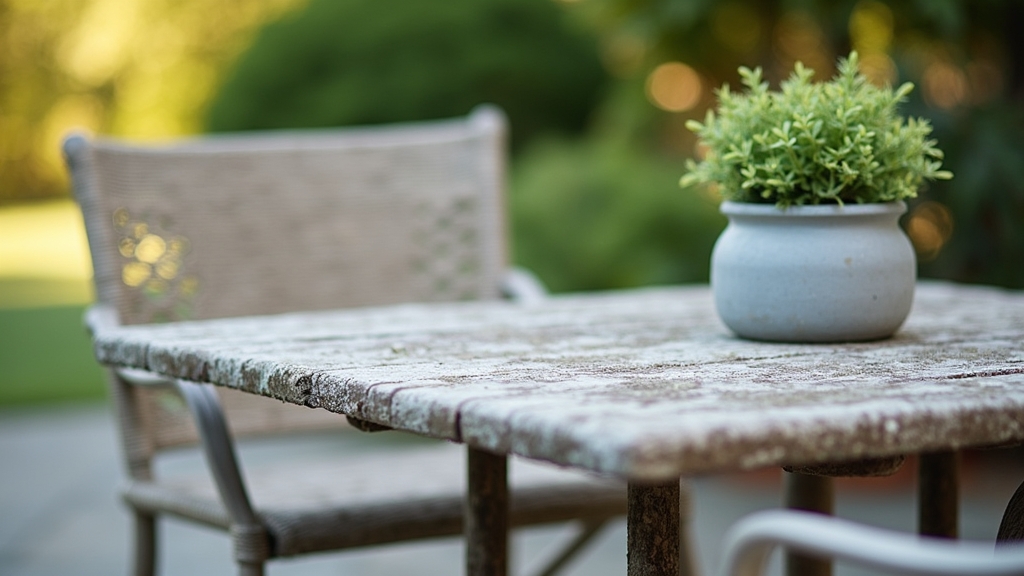
As a property manager, I have seen thousands of dollars wasted on replacing furniture that simply needed a weekend of work. Here is the thing: the sun is your furniture's worst enemy. Constant UV exposure breaks down the chemical bonds in plastic, oxidizes paint on metal, and bleaches the natural oils out of wood. When furniture looks chalky or dull, it is not just an aesthetic issue; it is a sign that the material is becoming brittle and prone to cracking.
Restoring your outdoor pieces protects your investment and keeps your property looking sharp. The good news is that you do not need a massive budget to get professional results. You just need the right products and a bit of patience. This guide covers how to restore outdoor furniture for the long haul, rather than just applying a temporary band-aid.
The Seasonal Restoration Calendar
Timing your maintenance is crucial for the longevity of the finish. Now, the important part is working with the weather rather than against it.
Spring: The Deep Clean and Assessment
Spring is the time for a heavy-duty wash. Use a mixture of mild dish soap and warm water to remove the winter grime. This is when you inspect for structural damage or rust. If you find rust on metal patio furniture, you must address it now before the humid summer months accelerate the corrosion.
Summer: Protection and Maintenance
During the height of summer, your goal is UV protection. For plastic and metal pieces, applying a high-quality UV-protectant spray every few weeks can prevent further fading. Worth mentioning is that you should avoid painting in direct sunlight or on days exceeding 85 degrees, as the paint will dry too fast and fail to bond correctly.
Fall: Preparation for Storage
Before putting furniture away, give it a quick wipe down. If you noticed fading during the summer, fall is an excellent time for painting or staining because the lower humidity helps finishes cure properly. Something to keep in mind is that moisture trapped under a furniture cover over winter can cause mold, so ensure everything is bone dry before storing.
Winter: Off-Season Repairs
If you have a garage or shed, winter is the best time for small-scale restoration projects. You can work on individual faded plastic chairs or metal side tables without worrying about pollen or insects landing in your wet paint.
Restoring Faded Plastic and Resin
Plastic furniture often develops a white, chalky film. This is called oxidation. Most people think the chair is ruined, but that is rarely the case.
The Cleaning Process
Start with a vinegar and water solution (50/50 mix) to cut through the oxidation. Use a soft-bristle brush. On the other hand, if the oxidation is severe, you might need a fine-grit sanding sponge (around 400 grit) to lightly level the surface. What most people miss is that if you don't remove that chalky layer, your new finish will peel off within weeks.
Using specialized Restorers
For plastic that is just slightly faded, I recommend automotive trim restorer. This is a pro-tip from the property management world: products designed for black car bumpers work wonders on resin furniture. They penetrate the plastic rather than just sitting on top. This is where it gets interesting—one application can last an entire season, whereas 'all-purpose' cleaners disappear after the first rain.
Painting Plastic for a New Life
If the color is completely gone, use a spray paint specifically formulated for plastics, like Krylon Fusion or Rust-Oleum Painter’s Touch. These contain adhesion promoters. Apply three light coats rather than one heavy coat. Heavy coats lead to drips and a 'sticky' feeling that never seems to go away.
Reviving Metal Patio Furniture
Metal furniture is durable, but once the powder coating fails, rust moves in quickly. To restore outdoor furniture made of aluminum or steel, you need a different approach.
Sanding and Rust Removal
You cannot paint over rust and expect it to stay. Use a wire brush or a drill attachment to get down to bare metal in rusted spots. For the rest of the chair, a medium-grit sandpaper (120-180 grit) will scuff the existing paint, providing 'tooth' for the new paint to grab onto.
Choosing the Right Metal Patio Furniture Paint
Always use a primer. Even if the can says 'Paint + Primer,' I still use a dedicated rust-inhibitive primer on bare metal spots. For the topcoat, look for 'Direct To Metal' (DTM) enamels. These are designed to expand and contract with the metal as it heats up in the sun. If you use a standard interior paint, it will crack and flake as soon as the temperature changes.
Bringing Back the Glow to Wood
Teak, cedar, and acacia are popular but turn grey over time. Some people like the silver patina, but if you want that rich wood look back, you have to work for it.
Cleaning and Brightening
Use a commercial wood cleaner and a stiff brush. If the wood is very dark or stained, a 'wood brightener' containing oxalic acid will open the pores and restore the natural pH. This makes the wood look new again even before you apply a finish.
Sealing vs. Staining
Once dry, sand the wood with 120-grit paper. Now, the important part: decide between an oil-based sealer or a water-based stain. Oil-based products like Teak Oil penetrate deep and are easy to reapplied later. Water-based stains sit on the surface and provide better UV protection but are harder to strip when they eventually peel. In my experience, oil is better for the long-term health of the wood.
Common Mistakes to Avoid
- Skipping the Prep: 90% of a good restoration is cleaning and sanding. If the surface isn't clean, the product won't stick.
- Painting in the Wind: You will end up with dust, hair, and bugs embedded in your finish.
- Ignoring the Underside: Rust and rot often start from the bottom where water pools. Always treat the undersides of legs and frames.
- Using Power Washers Too Closely: A power washer can gouge wood or pit plastic if you aren't careful. Keep the nozzle at least 12 inches away.
Pro-Tips from the Field
Here is a trick I use for high-end properties: after painting or restoring furniture, apply a thin coat of high-quality automotive paste wax. It adds an extra layer of UV protection and makes water bead off, preventing the dirt buildup that leads to fading in the first place. Also, consider replacing the plastic 'feet' on metal chairs. They cost a few cents but prevent the metal from sitting in puddles, which is the primary cause of leg rust.