The Fundamentals of Outdoor Lighting Installation
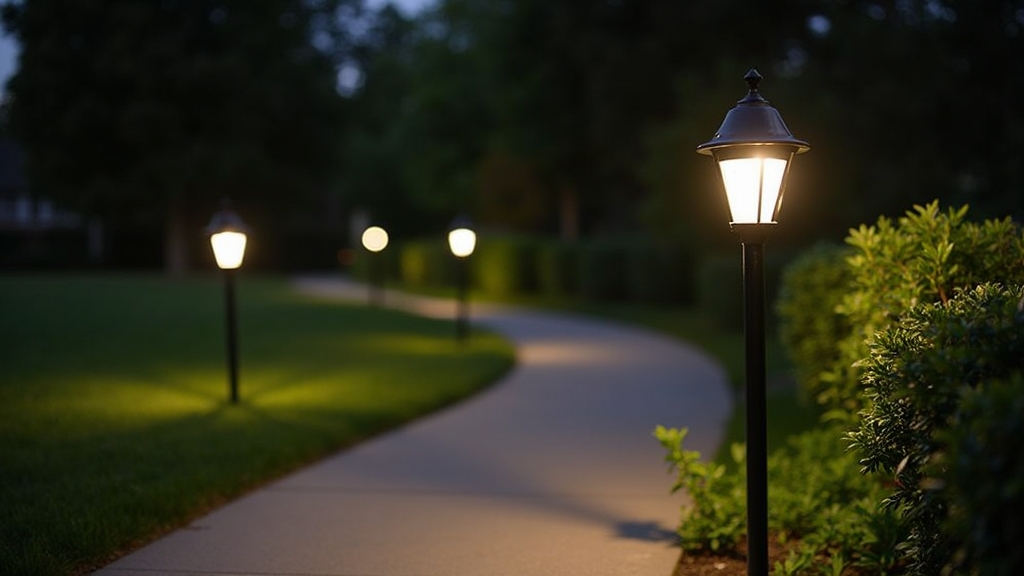
After a decade of crawling through flower beds and troubleshooting flickering lights, I can tell you that path lighting is the single best way to upgrade your curb appeal. It is not just about aesthetics; it is about safety. Most homeowners assume they need an electrician, but low voltage transformer setup is well within the reach of a DIYer. Here is the thing: low-voltage systems run on 12 or 15 volts, which means you cannot get a dangerous shock like you would with a standard outlet.
The goal is to move power from your house outlet to a transformer, and then through a landscape lighting wire to your fixtures. It sounds simple, but the details in the installation determine if your lights will last one season or ten. Let’s break down the two main paths you can take: the Budget DIY approach and the Pro-Grade setup.
Overview of Installation Options
When you walk into a big-box store, you will see two main options. The first is the 'Kit in a Box.' This usually includes a small transformer, a roll of thin wire, and six to eight plastic lights. The second option is 'Component Buying,' where you select a high-quality stainless steel transformer, heavy-duty wire, and individual brass or aluminum fixtures.
Option 1: The Retail Kit
These kits are designed for quick wins. They use 'clip-on' connectors that pierce the wire. While they are cheap, I have replaced hundreds of these because the connections corrode in the soil within two years. Now, the important part: if you are on a tight budget or only planning to stay in the home for a year, this might work for you.
Option 2: Pro-Grade Components
This is what I install for clients who want a 'set it and forget it' system. We use cast-brass fixtures and waterproof wire nuts filled with silicone. This is where it gets interesting: while the upfront cost is higher, you aren't replacing broken plastic stakes every time the lawnmower gets too close.
Detailed Pros and Cons
Choosing between these two isn't just about money; it is about the maintenance load you want to carry. On the other hand, the more you spend upfront, the less you work later.
Retail Kits
- Pros: Very low entry cost; everything is in one box; simple plug-and-play setup.
- Cons: Plastic parts break easily; thin 16-gauge wire causes 'voltage drop' (lights at the end are dimmer); connectors are prone to failure.
Pro-Grade Components
- Pros: Durable materials (brass/copper); repairable parts; consistent brightness; handles more lights.
- Cons: Significant initial investment; requires basic math to calculate wattage; components sold separately.
Realistic Cost Analysis
What most people miss is the hidden cost of 'cheap' lighting. Let’s look at a 10-light pathway installation for a 50-foot run.
The Budget DIY Breakdown
- Plastic 10-light Kit: $150
- Extra 16-gauge wire: $30
- Replacement fixtures (est. 2 per year): $40
- Total Year 1: $220
The Pro-Grade Breakdown
- 150W Stainless Transformer: $200
- 10 Cast-Brass Path Lights: $500 ($50 each)
- 100ft 12/2 Burial Wire: $80
- Waterproof Heat-Shrink Connectors: $30
- Total Year 1: $810
Worth mentioning: The Pro-Grade system will likely last 15+ years. The Budget Kit usually needs a full replacement by Year 3. Over a decade, the 'expensive' option is actually the cheaper one.
Step-by-Step Pathway Lights DIY
If you have decided to tackle this, follow these steps to avoid the common pitfalls I see in the field.
1. Lay Out Your Design
Place your lights where you think they should go. Something to keep in mind: avoid 'runway lighting.' This is when you put lights directly opposite each other in a straight line. Instead, stagger them. This creates a more natural, inviting look and uses fewer fixtures.
2. Set Up the Transformer
Mount your transformer near an outdoor GFCI outlet. Do not plug it in yet. Strip about 3/4 inch of insulation off your landscape lighting wire and secure it to the terminals. The good news is that most modern transformers have a built-in timer or photocell, so you don't have to worry about manual switches.
3. Trenching the Wire
You don't need a backhoe. Use a flat-head spade to create a 3-inch deep slit in the soil. Push the wire in with your gloved hand. This is where most people miss a crucial detail: leave a 'loop' of extra wire at each light location. This allows you to move the light later if the plants grow or you change your mind.
4. Connections are Everything
Discard the 'vampire' clips that come with cheap lights. Cut the main wire, strip the ends, and use a silicone-filled wire nut to join the light fixture's leads to the main line. This prevents water from wicking into the copper and turning it green with corrosion.
Best Use Cases for Each Option
If you are staging a home for a quick sale, the retail kits are a great choice. They look good for the photos and the first few months. However, if this is your 'forever home' or you live in a climate with heavy snow or rain, the pro-grade components are mandatory. High-salt environments near the coast will eat aluminum or plastic fixtures for breakfast; stick to brass there.
Final Recommendation
I always tell my clients the same thing: Buy a better transformer and wire than you think you need. You can always start with four high-quality brass lights and add two more every year as your budget allows. This is much better than buying a 10-pack of plastic lights that you will be throwing in the landfill in 24 months. Focus on 12-gauge wire—it is the industry standard for a reason.