{ "title": "Outdoor Lighting Installation: Why Systems Fail and How to Fix Them", "slug": "outdoor-lighting-installation-guide", "excerpt": "Learn why outdoor lighting systems fail and how to build a garden light setup that lasts for decades, written by a contractor with 30 years of field experience.", "content": "
Why Your Outdoor Lighting Fails
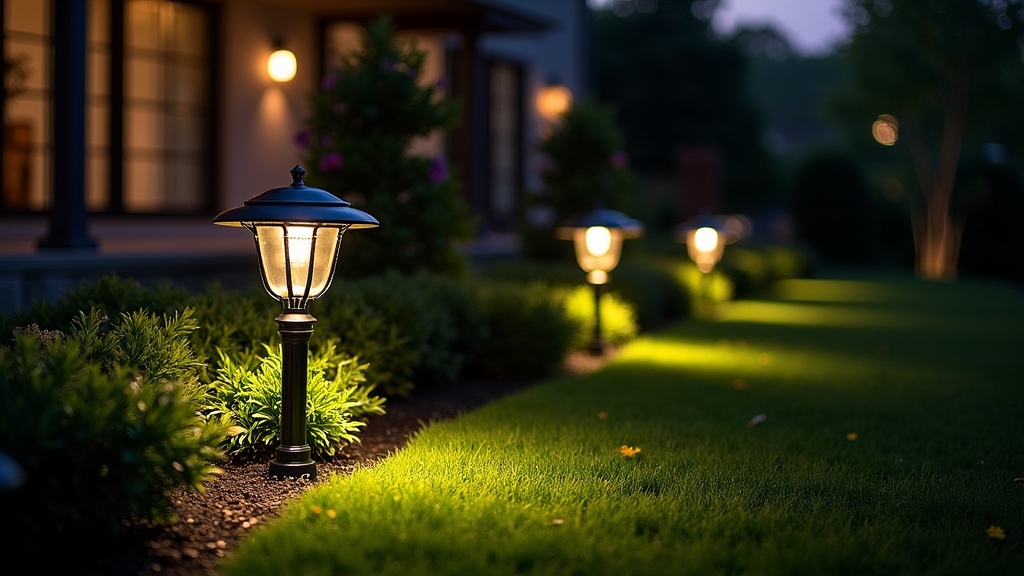
I have spent three decades walking onto properties where the outdoor lighting looks great during the day but stays dark at night. Here is the thing: most people treat landscape lighting like an indoor lamp that just happens to be outside. In reality, the environment is actively trying to destroy your garden lights from the moment you bury the first wire. Whether it is moisture, soil acidity, or shifting ground, the elements are relentless.
Most failures come down to poor installation techniques or cutting corners on materials. When a system fails after two years, it is rarely the bulb. Usually, it is a connection that corroded or a wire that was nicked during a weekend of gardening. Understanding why these systems fail is the first step to building one that actually lasts.
Root Causes of Lighting Failure
Moisture Intrusion
Water is the primary enemy of any electrical system. In outdoor lighting, moisture usually enters through the wire connections. If you use standard wire nuts and electrical tape, you are inviting trouble. Over time, the copper wire oxidizes, turns green, and loses its ability to carry current. This is where it gets interesting: once the wire starts corroding inside the jacket, the resistance increases, which can actually heat up the wire and cause the transformer to trip.
Poor Material Choice
What most people miss is the difference between big-box store kits and professional-grade components. Cheap plastic or thin aluminum fixtures become brittle under UV rays. Within a few seasons, the stakes snap or the seals fail. I always recommend solid brass or copper. These materials develop a patina and can withstand a rogue weed whacker or a heavy snow pile without cracking.
Voltage Drop
This is a technical hurdle that many DIYers ignore. If you run 100 feet of wire and put ten lights on it, the last light will be significantly dimmer than the first. This is called voltage drop. If the voltage drops too low, the LED drivers have to work harder, which significantly shortens their lifespan. It is a subtle problem that leads to a total system failure over time.
Immediate Steps to Take for Failing Lights
If your garden lights are flickering or dead, don't start digging up the whole yard yet. The good news is that most problems are localized. Start at the transformer. Check if the breaker has tripped or if the built-in timer has lost its programming after a power surge.
Next, use a voltmeter to check the output at the transformer. If you have 12 to 15 volts there, the problem is in the field. Go to the first light in the run that isn't working. Dig up the connection. Often, you will find a loose wire or a connection that has been sitting in a puddle. Cleaning the contact points and resealing the connection often solves the issue immediately. Worth mentioning: always turn off the power before you start poking around with a screwdriver, even on low-voltage systems.
Long-Term Prevention Strategies
Invest in Gel-Filled Connectors
Now, the important part: never use standard wire nuts underground. Use grease-filled or gel-filled wire connectors designed specifically for direct burial. These connectors create a waterproof seal around the copper. I have dug up 20-year-old connections that used these, and the copper was still as shiny as a new penny. It is a small investment that prevents hours of troubleshooting later.
Proper Trenching and Wire Protection
Something to keep in mind is that garden wire needs protection. While low-voltage wire is rated for direct burial at 6 inches deep, I prefer going a bit deeper or running the wire through gray PVC electrical conduit in high-traffic areas. This prevents the most common cause of failure: the \"shovel-itis.\" A homeowner decides to plant a new rose bush, forgets where the wire is, and slices right through the main line. If the wire is in a pipe, the shovel bounces off.
Strategic Transformer Placement
Place your transformer in a sheltered area, like inside a garage or under a sturdy eave. While most are rated for outdoor use, keeping them away from direct rain and sun extends the life of the electronics. Ensure the transformer has a higher wattage capacity than your total light load. If your lights total 60 watts, use a 100-watt transformer. Operating at 60-70% capacity keeps the unit cool and efficient.
When to Call a Professional
On the other hand, there are times when a DIY approach isn't the best path. If your outdoor lighting involves 120-volt "line voltage" (the same power as your wall outlets), you should call a licensed electrician. High-voltage outdoor lighting requires specific grounding and heavy-duty conduit that can be dangerous if handled incorrectly.
You should also call a pro if you are dealing with complex zone dimming or integrated smart-home controls. Troubleshooting a digital lighting bridge requires a different set of tools than a standard voltmeter. If you have a massive property with hundreds of feet of wire, a pro can use a "fault finder" to locate a break underground without digging up your entire lawn.
", "tags": [ "landscape lighting", "outdoor lighting", "home maintenance", "electrical safety" ], "readTime": 8, "metaTitle": "Outdoor Lighting Installation: Fixes and Prevention Tips", "metaDescription": "A retired contractor shares why garden lights fail and how to install outdoor lighting that lasts. Learn about moisture prevention and wire protection.", "focusKeyword": "outdoor lighting", "faqs": [ { "question": "Can I mix different brands of lights on one transformer?", "answer": "Yes, as long as they are all the same voltage (usually 12V or 24V) and the total wattage does not exceed the transformer's capacity. However, keep in mind that different brands may have slightly different color temperatures, which can look inconsistent." }, { "question": "How deep should I bury my outdoor lighting wires?", "answer": "For low-voltage (12V) lighting, the code typically requires 6 inches of depth. For line-voltage (120V), you generally need 18 inches if using conduit, or 24 inches for direct burial, though local codes vary. Always check with your local building department." }, { "question": "Why do my LED outdoor lights flicker?", "answer": "Flickering is usually caused by a poor connection or a voltage drop issue. If the voltage reaching the LED is right on the edge of its minimum requirement, it may cycle on and off rapidly. Check your wire connections and ensure your wire gauge is thick enough for the run length." }, { "question": "Is brass really worth the extra cost over aluminum?", "answer": "Absolutely. Aluminum fixtures often corrode or flake within 3-5 years, especially in salty air or wet climates. Brass is a 'forever' material that will outlast the LED components themselves. It is the best long-term value for any landscape lighting system." } ], "tableOfContents": [ { "id": "root-causes-of-lighting-failure", "title": "Root Causes of Lighting Failure", "level": 2 }, { "id": "immediate-steps-to-take", "title": "Immediate Steps to Take", "level": 2 }, { "id": "long-term-prevention-strategies", "title": "Long-Term Prevention Strategies", "level": 2 }, { "id": "when-to-call-a-professional", "title": "When to Call a Professional", "level": 2 } ] }