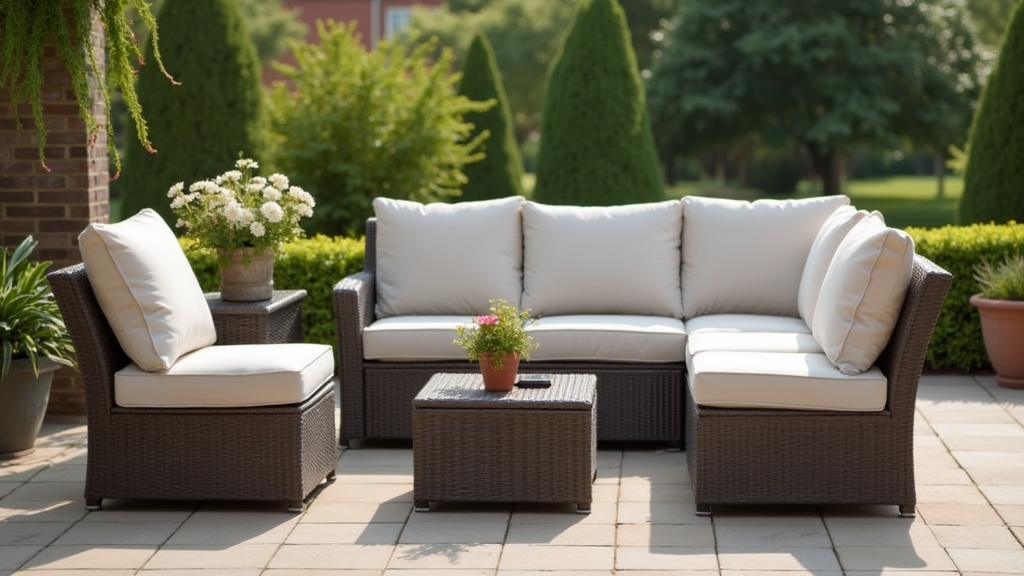
Outdoor furniture transforms a backyard into a functional living space. However, many homeowners find that their patio sets begin to look aged or weathered after just one or two seasons. Replacing high-quality outdoor furniture is expensive, and discarding it creates unnecessary waste. By understanding the root causes of deterioration and implementing a consistent maintenance schedule, you can keep your investment looking new for a decade or more.
Understanding the Root Causes of Deterioration
To fix a problem permanently, you must first understand why it happens. Patio furniture faces a much harsher environment than indoor pieces. The primary culprits are UV radiation, moisture, and oxidation. UV rays from the sun break down the chemical bonds in plastics and resins, leading to brittleness and fading. Even high-end 'all-weather' wicker will eventually crack if left unprotected in high-altitude or desert climates.
Moisture acts as the second major threat. It is not just about rain; humidity and morning dew can seep into the pores of wood or the joints of metal frames. This leads to mold, mildew, rot, or rust. Finally, environmental pollutants like bird droppings, tree sap, and salt air can eat through protective finishes. If you live near the coast, salt air is a constant abrasive that accelerates corrosion on almost any metal surface.
Immediate Steps for Cleaning and Restoration
If your furniture already shows signs of wear, start with a deep clean. This is the foundation of any long-term fix. Do not rush the process; thorough cleaning ensures that future protective layers adhere correctly. Use a bucket of warm water mixed with a mild, pH-neutral soap. Avoid power washers on wood or delicate wicker, as the high pressure can strip the fibers or loosen the weave.
Restoring Wood Furniture
For teak, cedar, or acacia, use a soft-bristle brush to scrub away grey oxidation. If the wood feels rough, sand it lightly with 120-grit sandpaper, moving in the direction of the grain. This reveals the fresh wood beneath. Once clean and dry, apply a wood brightener to restore the natural oils. Take your time with the sanding process; a smooth surface prevents splinters and looks more professional.
Treating Metal Frames
Inspect aluminum and wrought iron for chips in the paint. If you find rust on iron, use a wire brush or steel wool to remove it down to the bare metal. Clean the area with white vinegar to neutralize any remaining oxidation. For aluminum, which does not rust but can pit, a simple car wax can restore the shine and provide a temporary barrier against the elements.
Reviving Outdoor Fabrics
Outdoor cushions often accumulate mildew. Mix one cup of bleach and one-fourth cup of mild soap per gallon of water. Spray this on the fabric and let it sit for 15 minutes. Scrub gently with a sponge and rinse thoroughly. It is worth doing right the first time, so ensure the cushions are completely dry before putting them back on the frames to prevent internal mold growth.
Long-Term Prevention Strategies
Once your furniture is clean, you must move toward permanent protection. A reactive approach—cleaning only when things look bad—shortens the lifespan of the material. A proactive, preventative approach is more cost-effective over time.
Applying Protective Sealants
For wood furniture, a high-quality penetrating oil or a specialized outdoor sealer is essential. Unlike paint, which can peel, penetrating oils soak into the wood fibers. This prevents moisture from entering while allowing the wood to breathe. For metal, consider a clear coat spray or a high-grade paste wax. Apply these every spring to create a sacrificial layer that the sun must eat through before it reaches your furniture.
The Importance of High-Quality Covers
The most effective long-term solution is also the simplest: use covers. However, cheap plastic covers often trap moisture underneath, which causes more harm than good. Invest in breathable, UV-resistant polyester covers with vents. These allow airflow to prevent mold while blocking 99% of sun damage. Use these covers whenever the furniture is not in use for more than a few days.
Hardware and Joint Maintenance
Small details matter here. Check the bolts and screws on your chairs and tables at least twice a year. Movement and temperature changes cause metal to expand and contract, which loosens joints. A loose joint puts uneven stress on the frame, eventually leading to cracks or structural failure. Apply a drop of thread-locking fluid to bolts to keep them secure, and use a silicone-based lubricant on folding mechanisms to prevent grinding.
When to Call a Professional
While most patio furniture care is a DIY task, some situations require expert intervention. If you have high-value wrought iron pieces with significant structural rust, a professional sandblaster can strip the piece to its original state. They can then apply a powder-coating finish, which is far more durable than standard spray paint.
Additionally, if the webbing on a high-end sling chair has torn, a professional upholsterer can replace the fabric using specialized tensioning tools. If the frame is bent or the structural welds have cracked, do not attempt to fix it with household glue. Professional welding is required to ensure the piece remains safe for use. Trust your instincts on this one; if a chair feels unstable after your best repair efforts, it is time to seek expert help.
Final Thoughts on Maintenance
Maintaining patio furniture is not a one-off task but a seasonal rhythm. By dedicating a few hours each spring and autumn to cleaning and sealing, you avoid the high cost of replacement. Focus on the small details—the hidden undersides of tables and the tight crevices of wicker—to ensure no moisture or dirt is left behind. This disciplined approach keeps your outdoor space inviting and functional for years to come.