Why Weeds Grow Between Your Pavers
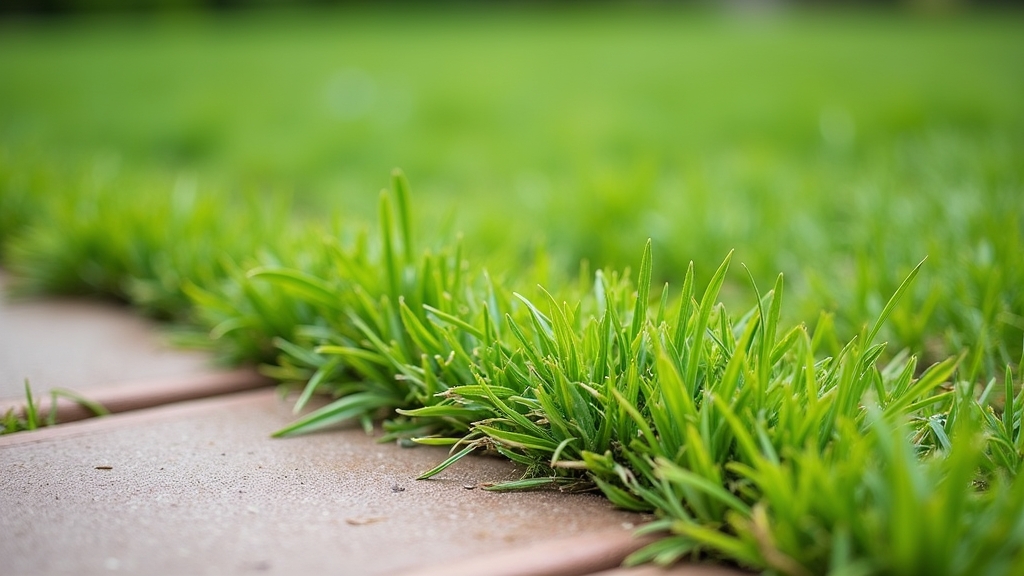
In most homes I visit, homeowners believe that weeds grow from the soil beneath their patio. From experience, I can tell you that this is rarely the case. If your patio was installed correctly with a compacted gravel base and a weed barrier, the soil underneath isn't the problem. The real issue usually is the accumulation of organic debris and wind-blown seeds in the joints between the stones.
Over the years, I have learned that as your paver sand washes away or settles, it creates a perfect pocket for dust, dirt, and seeds to land. When it rains, these pockets become the ideal greenhouse. One thing many people overlook is that even the smallest amount of organic material—like decomposing leaves or grass clippings—can provide enough nutrients for a weed to take root. If you aren't maintaining the joints, you are essentially inviting a garden to grow in your walkway.
Root Causes and Contributing Factors
What works best is understanding the environment of your patio. Several factors contribute to recurring weed growth, and most of them involve the breakdown of the jointing material. Here are the main culprits I see in the field:
- Poor Drainage: If water sits on your patio rather than draining off the sides, it softens the jointing sand and encourages moss and weed growth.
- Sand Erosion: Standard leveling sand is easily washed away by heavy rain or power washing. Empty joints are prime real estate for weeds.
- Lack of Sunlight: Shady areas of a patio stay damp longer, which promotes the growth of moss and shallow-rooted weeds.
- Neglected Sealing: Without a proper sealant, the sand remains porous and holds onto the moisture that seeds need to germinate.
A common situation is seeing a beautiful stone patio that hasn't been swept in months. That layer of fine dust sitting on top of the sand is exactly what weeds need to start their lifecycle.
Immediate Steps to Clear Existing Weeds
Before you can prevent future growth, you have to deal with the current mess. In my experience, you should avoid using heavy-duty chemical weed killers if you have pets or nearby garden beds. Instead, start with a mechanical approach.
First, use a dedicated weeding tool or a stiff wire brush to scrape out the weeds and the top layer of old, contaminated sand. You want to clear out at least an inch of depth to make room for new material. For stubborn roots, a pressure washer can be effective, but be careful. What I have found is that people often get too aggressive with the pressure and end up shifting the pavers or blasting out the base material. Keep the nozzle at a 45-degree angle and move quickly.
Once the joints are clear, you can apply a paver weed killer or a natural solution like a mixture of white vinegar, salt, and dish soap. This kills any remaining root fragments. Let the patio dry completely—usually 24 to 48 hours—before moving to the prevention phase. If the joints are even slightly damp, your new sand won't set correctly.
Long-Term Prevention: Polymeric Sand Application
The key thing to remember is that standard sand is not a barrier. If you want a permanent solution, you need to use polymeric sand. This is a mix of graded sand and binder (polymers) that hardens when exposed to water. It acts like a flexible mortar, keeping weeds out and pavers in place.
How to Apply Polymeric Sand Properly
From experience, the biggest mistake homeowners make is applying polymeric sand on a humid day or a damp surface. The polymers will activate prematurely and leave a hazy film on your stones that is incredibly difficult to remove.
- Sweep it in: Pour the sand over the dry pavers and use a push broom to work it into the joints. Sweep in multiple directions to ensure there are no air pockets.
- Compact the joints: For a professional finish, use a plate compactor or a rubber mallet to vibrate the pavers. This settles the sand. You will likely see the sand level drop; add more sand and sweep again until the joints are filled to about 1/8 inch below the paver surface.
- Clear the excess: This is the most important step. Use a leaf blower on its lowest setting to blow every single grain of sand off the surface of the pavers. Any sand left behind will stick to the stone forever once you add water.
- Mist the patio: Use a garden hose with a misting nozzle. Do not soak it. You want to dampen the sand enough to activate the polymers without washing the sand out of the joints. Repeat this 3 times, waiting about 10-15 minutes between each misting.
Sealing Patio Joints for Maximum Protection
After your polymeric sand has cured (usually 24 hours), you should consider sealing the patio. Sealing patio joints provides a secondary layer of protection. It creates a water-resistant barrier that prevents moisture from soaking into the sand and the pavers themselves.
In most homes, I recommend a "joint-stabilizing sealer." This type of sealer penetrates the sand and binds the particles together even further. It makes the surface much easier to sweep and prevents the wind-blown organic matter from getting trapped in the texture of the sand. Plus, it protects your stones from fading in the sun and prevents oil stains from grills or patio furniture.
Stone Patio Maintenance Routine
Maintenance isn't a one-time job; it is a habit. What works best is a simple monthly routine. Take a stiff-bristled broom and sweep the patio once every two weeks. This removes the seeds before they have a chance to settle. If you see a small weed starting to sprout, pull it immediately. Don't wait for it to establish a root system that can break your sand seal.
Every spring, give the patio a gentle wash with a pH-neutral cleaner. Avoid using a pressure washer for routine cleaning, as it will eventually degrade the sealer and the polymeric sand. A garden hose and a soft brush are usually all you need to keep things looking new.
When to Call a Professional
While most homeowners can handle weed prevention, there are times when you need a pro. If your pavers are shifting, sinking, or heaving significantly, you have a base failure. No amount of sand or sealer will fix a patio that wasn't built on a solid foundation. If you see "efflorescence" (a white, powdery salt deposit) covering large areas, a professional can treat it with specialized acids that are dangerous for DIYers to handle. Lastly, if your patio covers a very large area, the timing required for polymeric sand application can be overwhelming for one person.