In most homes, metal patio sets are the backbone of the outdoor living space. However, after a few seasons of exposure, even high-quality wrought iron and steel can succumb to oxidation. From experience, I can tell you that rust isn't just an aesthetic blemish; it is a structural threat that, if left unchecked, will eventually eat through the metal entirely. Over the years, I have learned that the difference between a restoration that lasts one season and one that lasts ten is found in the preparation and the chemistry of the products used.
Tools and Materials Needed
Before you begin your outdoor furniture restoration, you need to gather specific professional-grade supplies. Avoid the temptation to use cheap, generic spray paints; they lack the UV inhibitors and rust-inhibiting resins required for longevity.
- Wire Brushes: Both a large handheld brush and a small detail brush for intricate scrollwork.
- Sandpaper: 80-grit for heavy rust removal and 220-grit for smoothing transitions.
- Chemical Rust Converter: A phosphoric acid-based product or a tannic acid converter.
- Degreaser: Trisodium Phosphate (TSP) or a high-quality dish soap.
- Primer: A zinc-rich or rusty-metal-specific primer (e.g., Rust-Oleum Rusty Metal Primer).
- Topcoat: Exterior-grade enamel or oil-based paint specifically formulated for metal.
- Safety Gear: N95 mask, safety glasses, and chemical-resistant gloves.
Preparation Steps
A common situation I see is homeowners jumping straight to sanding without cleaning the piece first. This is a mistake. Sanding a dirty chair grinds oils, bird droppings, and pollen deep into the metal's pores, which will cause the new paint to peel later. What works best is a deep scrub with a TSP solution and a stiff nylon brush. Rinse thoroughly and let it dry completely in the sun.
Next, find a shaded, wind-free area to work. Direct sunlight can cause paint to dry too quickly, leading to brush marks or orange-peel texture. Lay down a heavy-duty drop cloth—avoid thin plastic sheets as they tend to blow around and stick to wet paint.
Detailed Step-by-Step Instructions
Mechanical Rust Removal
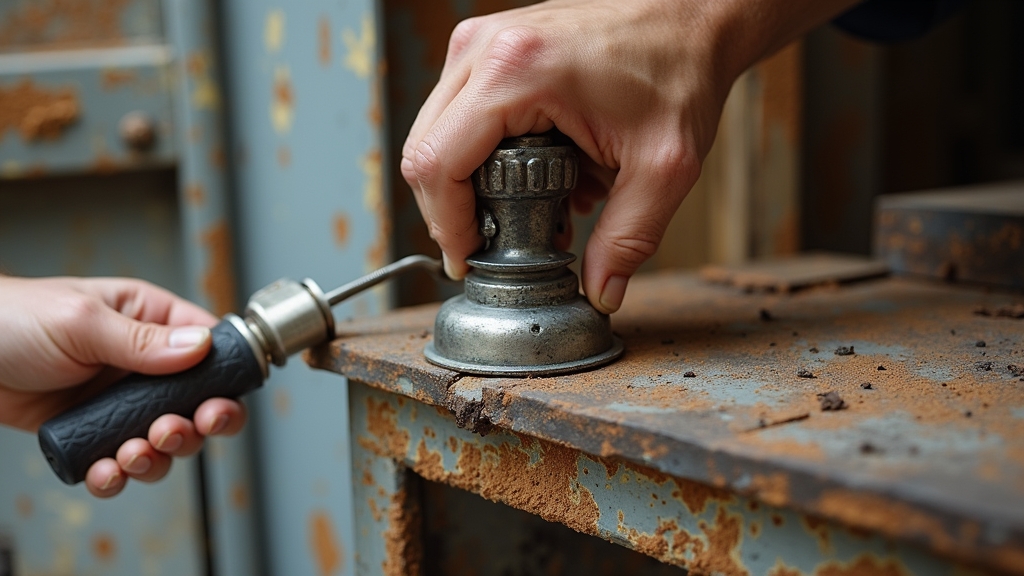
The real issue usually is the rust you can't see clearly. Start by using your wire brush to knock off all loose, flaking rust. Focus heavily on joints, welds, and the underside of the feet. Once the flakes are gone, use 80-grit sandpaper to feather the edges where the old paint meets the bare metal. You want a smooth transition so the repair isn't visible under the final coat. If the pitting is deep, don't try to sand it smooth; you'll thin the metal too much. We will address the chemistry of deep pits in the next step.
Chemical Neutralization
In my experience, mechanical removal alone is rarely 100% effective. Microscopic rust spores remain in the metal's pores. This is where a rust converter is vital. Apply the converter according to the manufacturer's instructions. It will turn the remaining iron oxide into a stable, black, paintable surface (usually iron phosphate). This chemical barrier prevents the "rust cycle" from restarting under your new paint. One thing many people overlook is the cure time; most converters need 24 hours to fully react before you can apply a primer.
The Priming Phase
Wrought iron repair requires a specialized primer. Use a "rusty metal" primer if there was significant oxidation, or a clean metal primer if you managed to get down to shiny steel. Apply two thin coats rather than one thick one. Thick coats trap solvents, leading to a soft finish that chips easily. Pay special attention to the areas where horizontal and vertical bars meet—these are the primary points of moisture ingress.
Painting Metal Chairs
When it comes to the topcoat, I recommend oil-based enamels for their durability and "self-leveling" properties. If using a spray can, keep it 8 to 12 inches away and use a steady, sweeping motion. Start and stop your spray off the edge of the furniture to avoid drips. For intricate wrought iron, a high-quality natural bristle brush or a small foam roller can often provide better coverage in tight crevices than a spray can ever could.
Common Mistakes to Avoid
Over the years, I have seen these three errors ruin more projects than anything else:
- Painting over moisture: Metal is porous at a microscopic level. If you paint early in the morning when there is dew, or right after a rain, you are sealing moisture against the metal. This ensures the rust will return within weeks.
- Ignoring the feet: The bottoms of chair legs sit in puddles and stay damp. If you don't seal the very bottom of the feet, moisture will wick up under the paint. What I have found is that adding plastic glides or "feet" after painting is the best way to break this contact.
- Skipping the primer: Many modern paints claim to be "Paint + Primer." For indoor projects, they are fine. For outdoor furniture restoration, they are insufficient. You need a dedicated, high-solids primer to create a true moisture barrier.
Tips for Best Results
The key thing to remember is that heat and humidity are your enemies during the drying process. Aim for a day with 40-50% humidity and temperatures between 65°F and 80°F. If you are working on a piece with intricate details, use a "tack cloth" between every sanding and painting step to remove every speck of dust. From experience, a single grain of sand can ruin the finish on a high-gloss enamel chair.
Troubleshooting Common Issues
If the paint begins to "crinkle" or "alligator," it usually means the previous layer wasn't fully cured or the two types of paint are chemically incompatible (e.g., putting a hot solvent lacquer over an oil-based enamel). In this case, you must sand the area back down to the metal and restart.
If you see "pinhole" rust spots appearing shortly after painting, it means the primer layer was too thin, and the metal's peaks are poking through the coating. A light sanding and an additional coat of topcoat usually solve this, provided the rust hasn't spread yet.