Reviving Your Outdoor Space Without Replacing It
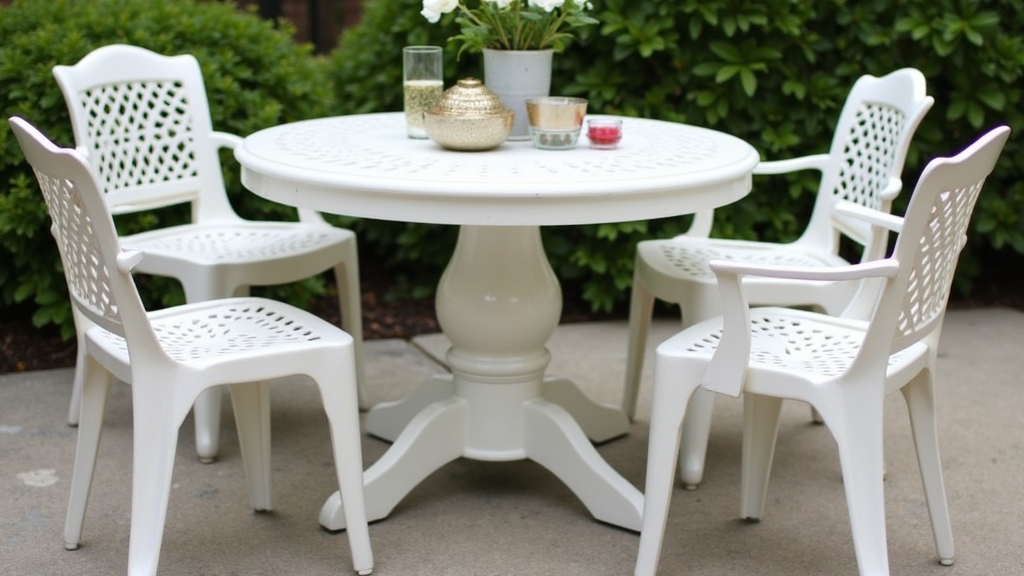
We have all been there: you pull your outdoor furniture out of storage for the first warm weekend of the year, only to find that your once-vibrant chairs have turned into a dull, chalky mess. Sun exposure and oxidation are the primary enemies of resin, causing it to lose its luster and develop a white, powdery residue. Here is the thing: most people assume that once the color fades, the structural integrity is gone and it is time for the landfill. In reality, unless the plastic is cracked or brittle, you can likely restore it for a fraction of the cost of buying new pieces.
Restoring resin furniture is one of the most satisfying DIY projects because the results are immediate. However, the method you choose depends heavily on how much time you want to invest and what your ultimate goal is—a quick seasonal refresh or a total color transformation. Now, the important part is understanding why the furniture looks bad in the first place. That white film is oxidized plastic. If you don't remove it properly, any finish you apply will peel off within weeks. In this guide, we will break down the most effective ways to fix faded plastic chairs and what each option will cost you.
Method 1: Deep Cleaning and Buffing
If your furniture is only slightly faded or simply looks "ashy," a deep clean and a protective coating might be all you need. This is the least invasive method and focuses on removing the oxidation layer to reveal the original color underneath.
The Process
First, you need to scrub away the chalky residue. A mixture of warm water and mild dish soap is the starting point, but for stubborn oxidation, a vinegar solution or a specialized oxygen-based cleaner works wonders. Use a soft-bristle brush to get into the texture of the resin. Once the furniture is dry, you apply a restorative wax or a specialized plastic restorer. This is where it gets interesting: these products work by penetrating the pores of the plastic and reflecting light differently, making the color pop again.
Pros and Cons
- Pros: Very inexpensive; retains the original texture of the furniture; impossible to "mess up" since there is no paint involved.
- Cons: Does not work on severely sun-bleached items; requires reapplication every few months; labor-intensive scrubbing.
Method 2: Painting with Specialized Coatings
When the fading is so severe that the original pigment is gone, outdoor furniture paint is your best friend. This isn't your standard wall paint. You need a formula specifically designed to bond with molecular structures of plastics.
The Process
Preparation is everything here. What most people miss is that plastic is naturally non-porous and often has oily residues. You must clean the piece thoroughly and, in many cases, lightly sand the surface with fine-grit sandpaper (220 grit or higher) to create "teeth" for the paint to grab onto. Using a spray-on application provides the smoothest finish, though brush-on versions exist for high-density resins. On the other hand, you must work in thin, even coats to prevent drips and peeling.
Pros and Cons
- Pros: Allows for a complete color change; hides deep stains or scratches; provides the longest-lasting results.
- Cons: Higher upfront cost; risk of peeling if prep work is rushed; requires a well-ventilated area and proper weather conditions.
Cost Breakdown and Comparison
Worth mentioning is that the "cost" isn't just the price of the materials, but also the value of your time. Here is how the two main restoration paths stack up for a standard set of four chairs.
Cleaning and Buffing Costs
- Cleaning supplies (brush, soap, vinegar): $10 – $15
- Plastic Restorer/Protectant: $15 – $25
- Total: $25 – $40
- Time Investment: 2-3 hours
Painting and Refinishing Costs
- Cleaning and sanding supplies: $15 – $20
- Specialized Plastic Primer (if needed): $10 – $15
- Outdoor Furniture Spray Paint (4-6 cans): $30 – $50
- Total: $55 – $85
- Time Investment: 5-8 hours (including drying time)
Best Use Cases for Each Option
The good news is that there is a clear winner depending on your specific situation. Choosing the wrong method for the wrong type of damage is the most common mistake homeowners make.
Choose Cleaning/Buffing If:
- The furniture is less than 3 years old.
- The color is still visible but looks dull or dusty.
- You are on a tight timeline and want to use the furniture the same day.
- You like the current color and just want to maintain it.
Choose Painting If:
- The furniture has turned white or grey from sun damage.
- The original color is outdated or no longer matches your decor.
- The surface feels rough or porous to the touch.
- You want a finish that lasts for multiple seasons without maintenance.
Final Recommendation
Something to keep in mind is that resin furniture has a lifespan. If the plastic feels brittle or if you can snap off a piece with your fingers, no amount of paint or wax will save it. However, if the structure is solid, I always recommend starting with a deep clean. Even if you decide to paint later, that cleaning step is mandatory preparation. For most homeowners, painting provides the most satisfying results because it makes the furniture look brand new, not just "less old." It is a slightly higher investment, but the durability usually justifies the extra $40.