The Philosophy of Metal Restoration
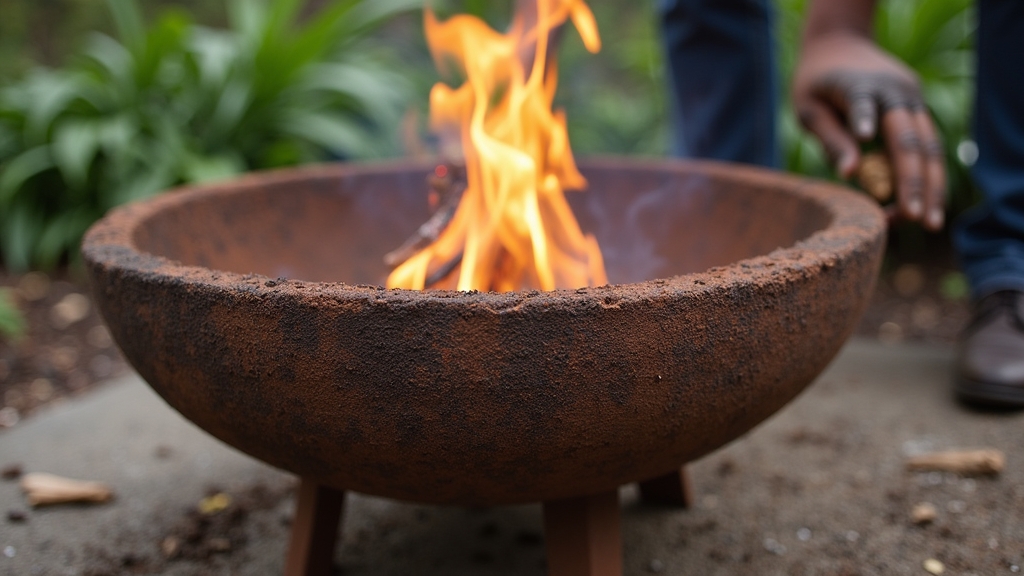
In my years of managing properties, I have seen dozens of steel and iron fire pits relegated to the scrap heap long before their time. Most homeowners see a layer of orange oxidation and assume the structural integrity is gone. However, unless the metal has actually thinned to the point of transparency or has holes rusted through the floor, it is almost always salvageable. Restoring a fire pit is not a task you should rush. It requires a methodical approach, attention to the smallest details, and the understanding that it is worth doing right the first time to avoid repeating the work in six months.
Common Mistakes to Avoid
Before we dive into the process, we must address the 'band-aid' fixes that often cause more harm than good. One of the biggest mistakes is applying a new coat of paint directly over active rust. Rust is a chemical process; if you trap it under paint, it will continue to eat the metal from the inside out, causing the new finish to bubble and flake within weeks. Another common error is using standard outdoor spray paint. Fire pits reach temperatures that would melt or ignite standard pigments; only specialized high-heat coatings will suffice. Finally, many people ignore the underside and the legs. If you only fix what you see, the structural supports will eventually fail.
Essential Tools and Materials
Gathering the right supplies is the first step in ensuring a professional-grade finish. You will need:
- Steel wire brushes (various sizes)
- Sandpaper (80-grit, 120-grit, and 220-grit)
- A power drill with a wire wheel attachment (for heavy scaling)
- Degreasing agent or mineral spirits
- Lint-free tack cloths
- High-heat resistant paint (rated for at least 1,200°F)
- Safety gear: N95 mask, eye protection, and heavy-duty gloves
- Drop cloths or cardboard to protect your workspace
Evaluating Structural Integrity
Take your time with this initial assessment. Use a screwdriver to firmly poke at the most rusted areas, particularly the bottom of the bowl. If the metal flakes away in large chunks or if the screwdriver passes through, the unit may be a safety hazard. If the metal remains solid despite the surface discoloration, you are ready to proceed with restoration.
The Restoration Process: Step-by-Step
Step 1: Deep Rust Removal
This is the most labor-intensive part of the job, and it is where your patience will pay off. Begin by using a heavy wire brush or a drill-mounted wire wheel to knock off all loose flakes and scales. Work in circular motions, ensuring you reach into any welded seams or decorative cutouts. Your goal is to get down to the bare, shiny metal. If you leave even a small patch of rust, it will act as a seed for future oxidation. Trust your instincts on this one—if a spot looks 'dusty,' keep scrubbing.
Step 2: Sanding and Smoothing
Once the heavy rust is gone, transition to hand sanding. Start with 80-grit to level out the transition between the bare metal and any remaining original factory finish. Move to 120-grit, and finish with 220-grit for a smooth texture. This step ensures that the new coating adheres properly. A common mistake is thinking the paint will hide a rough surface; in reality, high-heat paint is quite thin and will highlight every scratch and imperfection.
Step 3: Degreasing and Cleaning
After sanding, the fire pit will be covered in fine metal dust. Vacuum the unit thoroughly, then use a rag soaked in mineral spirits or a dedicated degreaser to wipe down every square inch. This removes skin oils and microscopic debris that prevent paint bonding. Use a fresh tack cloth for a final wipe-down just seconds before you begin painting.
Step 4: Applying the High-Heat Coating
Apply the paint in thin, even passes. Do not try to achieve full coverage in the first coat. If you apply the paint too thickly, it will run and drip, and it may not cure properly when exposed to high heat later. Hold the can or sprayer about 10-12 inches away from the surface. I usually recommend three thin coats, waiting about 15-30 minutes between each application. Remember to flip the unit (once dry) to treat the legs and the underside. Do not rush the drying process; let the unit sit in a dry, shaded area for at least 24 hours.
Troubleshooting Common Issues
If you notice the paint 'orange-peeling' (a bumpy texture), it usually means the metal was too hot when you painted it or there was a chemical residue left behind. You will need to sand that area back down and clean it again. If the paint begins to smoke excessively during your first fire after restoration, it may be the solvent gassing off. Always perform a 'burn-in' fire—a small, controlled fire for about 30 minutes—to fully cure the resin in the paint before using it for a social gathering.
Long-Term Maintenance Tips
Restoration is only half the battle; maintenance is what makes the fix last. Small details matter here. Always keep the fire pit covered when not in use, but ensure it is completely cool before doing so to avoid trapping moisture under the cover. Remove ash promptly after it cools, as ash becomes highly acidic when mixed with dew or rain, which accelerates rust. Every spring, inspect the surface for small chips and perform minor touch-ups immediately to prevent the need for another full restoration.