Reviving Your Outdoor Living Space
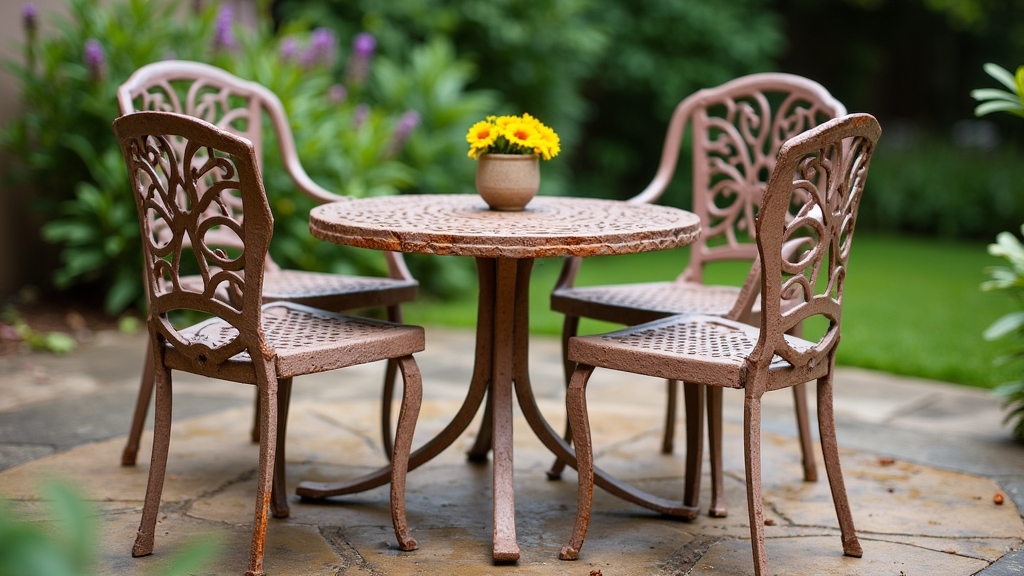
In most homes, the patio serves as an extension of the living room during the warmer months. It is where we host barbecues, drink our morning coffee, and relax after a long day. However, nothing ruins the aesthetic of a beautiful garden faster than the sight of orange, flaky rust creeping across your seating. From experience, I have seen many homeowners assume that once rust appears, the furniture is destined for the landfill. Fortunately, that is rarely the case.
Over the years, I have learned that metal furniture is incredibly resilient. Whether you have wrought iron, steel, or even certain types of cast aluminum, a little sweat equity can bring these pieces back to life. The key thing to remember is that rust is a progressive condition. If you catch it early, the fix is simple. If you wait, the metal may lose its structural integrity. This guide will walk you through why rust happens and how you can refurbish patio chairs to look brand new again.
Understanding the Root Causes of Rust
Before you pick up a wire brush, it helps to understand why your furniture is deteriorating. Rust is the result of a chemical reaction called oxidation. When iron or steel is exposed to oxygen and moisture for a prolonged period, it creates iron oxide. While this sounds like a simple science experiment, several environmental factors accelerate the process.
The Impact of Moisture and Humidity
Moisture is the primary enemy of metal. In my experience, furniture kept in humid climates or near swimming pools tends to rust twice as fast as furniture in dry areas. Even the morning dew that settles on your chairs every day provides enough moisture to start the oxidation process if the protective coating is compromised.
Salt Air and Coastal Living
A common situation is for homeowners near the coast to find their furniture rusting within just one season. Saltwater acts as an electrolyte, which speeds up the chemical reaction of rusting. If you live within a few miles of the ocean, your maintenance schedule will need to be more rigorous than someone living inland.
Scratches and Manufacturing Flaws
The real issue usually is not the metal itself, but a break in the protective finish. Most modern patio furniture is powder-coated. This is a durable plastic-like finish baked onto the metal. However, if a chair drags against a stone patio or a rogue lawnmower kicks up a pebble, it creates a tiny chip. One thing many people overlook is how rust can travel underneath the paint from a single small scratch, eventually causing large flakes to fall off.
Immediate Steps to Remove Rust from Metal
If you have noticed orange spots, you need to act quickly. To refurbish patio chairs effectively, you must follow a specific sequence of cleaning, sanding, and sealing. Skipping a step usually results in the rust returning within a few months.
Step 1: Deep Cleaning
What works best is starting with a clean slate. Use a mixture of mild dish soap and warm water to scrub away dirt, bird droppings, and spider webs. A stiff nylon brush is perfect for this. Rinse the furniture thoroughly and let it dry completely in the sun. You cannot assess the true extent of the rust until the piece is clean.
Step 2: Mechanical Rust Removal
You must physically remove the oxidized metal. For light rust, a piece of steel wool or a wire brush works well. For heavier rust, I recommend using a drill attachment with a wire wheel. This saves a significant amount of time and effort. Your goal is to get down to the shiny, bare metal. If you leave even a small amount of active rust, it will continue to grow under your new coat of paint.
Step 3: Chemical Neutralization
Sometimes, rust settles into deep pits that a wire brush cannot reach. In these cases, a rust converter is your best friend. These products contain phosphoric acid or tannic acid which turns iron oxide into a stable, black protective layer. Apply it with a small brush to the affected areas and let it cure according to the manufacturer's instructions.
How to Properly Refurbish Patio Chairs
Once the rust is gone, you are ready to restore the finish. This is where most people make mistakes by grabbing the cheapest can of paint they find. For a professional result, you need the right materials.
Choosing the Right Primer
What I have found is that the primer is more important than the topcoat. Use a high-quality, rust-inhibiting primer specifically designed for metal. If you are working with wrought iron, look for a "heavy-duty" primer. This layer provides the bond between the metal and the paint while adding an extra chemical barrier against moisture.
Applying Outdoor Furniture Spray Paint
When it comes to the final look, outdoor furniture spray paint is usually the best choice for a smooth, factory-like finish. Here is a practical example of how to do it right: instead of one thick coat, apply three or four very thin coats. Hold the can about 8 to 12 inches away from the surface and keep your hand moving. Thick coats lead to drips and runs, which are difficult to fix once they dry.
Long-term Prevention Strategies
Restoring your furniture is a big job, so you want the results to last. Prevention is much easier than restoration. Over the years, I have advised clients on these simple habits to keep rust at bay.
The Power of Paste Wax
One thing many people overlook is the use of automotive paste wax. After your new paint has cured for at least 48 hours, apply a coat of high-quality car wax to the metal frames. This creates a hydrophobic layer that makes water bead off immediately. I recommend doing this once at the start of the season and once before you put the furniture away for winter.
Invest in Breathable Covers
If you leave your furniture exposed to the elements all year, it will rust. It is that simple. However, avoid using cheap plastic tarps. Plastic traps moisture underneath, creating a greenhouse effect that accelerates corrosion. Instead, invest in high-quality, breathable fabric covers. These allow moisture to escape while keeping rain and snow off the metal.
Elevate the Feet
A common situation is rust starting at the very bottom of chair legs. This happens because the feet sit in puddles of water on the patio. Ensure your furniture has plastic or rubber "glides" on the bottom. These tiny components keep the metal from directly touching the wet ground and prevent the paint from chipping when you move the chairs.
When to Call a Professional
While most rust issues are DIY-friendly, there are times when you should seek professional help. If the rust has eaten entirely through the metal (pitting so deep it creates holes), the structural integrity is compromised. A professional welder may be needed to patch the area.
Additionally, if you have an expensive, high-end set with intricate detailing, you might consider professional sandblasting and powder coating. This process removes every trace of old paint and rust in a pressurized cabinet and applies a finish that is much tougher than anything you can achieve with a spray can. In my experience, this costs about 25-40% of the price of a new high-quality set, making it a sound investment for premium furniture.