{ "title": "7 Ways to Secure Patio Furniture for Wind: DIY vs. Pro Tips", "slug": "secure-patio-furniture-for-wind", "excerpt": "Stop your outdoor sets from blowing away. A retired contractor shares the best DIY and professional methods to anchor patio furniture in heavy winds.", "content": "
Taming the Gales: Why Your Patio Furniture Keeps Taking Flight
In most homes, the patio is the heart of summer relaxation, but it only takes one sudden thunderstorm to turn your expensive resin wicker set into a dangerous pile of debris in the neighbor’s yard. From experience, I can tell you that most people don't think about wind resistance until they see their glass-top table sliding across the deck like a hockey puck. Over the years, I have learned that the real issue usually isn’t the weight of the furniture alone; it’s the surface area. High winds create a 'sail effect' that can lift even moderately heavy pieces if they aren’t properly secured.
As a contractor with 30 years in the field, I’ve seen the aftermath of microbursts and coastal gales. I’ve repaired more siding and replaced more sliding glass doors broken by flying chairs than I care to count. To prevent furniture blowing away, you need a strategy that matches your local climate and your deck material. The key thing to remember is that there is a significant difference between a quick DIY fix and a professional-grade installation.
What works best is a layered approach. You don't necessarily need to bolt everything down to the foundation, but you do need to understand when a sandbag will suffice and when it’s time to call in someone with a hammer drill. This guide breaks down the best heavy wind patio tips through the lens of a builder who has seen it all fail and finally figured out how to make it stay put.
DIY Solutions: Preventing Furniture from Blowing Away
If you are a renter or someone who likes to rearrange their outdoor space frequently, DIY methods are your best friend. A common situation is the sudden realization that a storm is coming in twenty minutes. In these cases, you need tools you likely already have in the garage.
Using Deck Furniture Weights and Sandbags
One thing many people overlook is the aesthetics of weighting down furniture. You don't want your beautiful teak set looking like a construction site. What I have found is that customized sandbags, designed to wrap around the legs of chairs or tables, are far more effective than generic bags. For umbrellas, which are the primary culprits in wind damage, always opt for a base that is at least 50-75 lbs. If you’re on a budget, you can fill decorative planters with gravel and place them strategically around the legs of your tables.
The Bungee Cord and Stacking Method
In my experience, grouping furniture together is one of the most effective zero-cost ways to anchor outdoor furniture. When high winds are forecast, stack your chairs and use heavy-duty bungee cords to lash them to a stationary object, like a deck railing or a heavy grill. By reducing the surface area exposed to the wind, you significantly lower the chances of the 'lift-off' effect occurring.
Applying Museum Gel or Grippy Pads
For smaller items like side tables or decorative lanterns, I often recommend 'museum gel' or heavy-duty adhesive pads. While it sounds simple, these create a vacuum seal on smooth surfaces like stone or composite decking. It won't stop a hurricane, but it stops the 'creeping' movement that leads to furniture falling off the edge of a raised deck.
Professional Anchoring: When to Call the Contractor
Sometimes, DIY isn't enough. If you live in a high-wind zone or have a rooftop patio, you need a permanent solution. This is where professional installation comes in. The real issue usually is the risk of structural damage to your home if an anchor isn't installed correctly.
Permanent Bolt-Down Installations
What works best for high-end heavy wind patio tips is bolting the furniture directly into the substrate. For concrete patios, this involves using a hammer drill and sleeve anchors. If you have a wooden or composite deck, we use stainless steel lag bolts that go through the decking and into the joists below. I never recommend a homeowner do this themselves unless they are very comfortable with waterproofing; if you drill into a deck joist and don't seal it properly, you’re inviting rot into the skeleton of your home.
Custom Wind Screens and Glass Railings
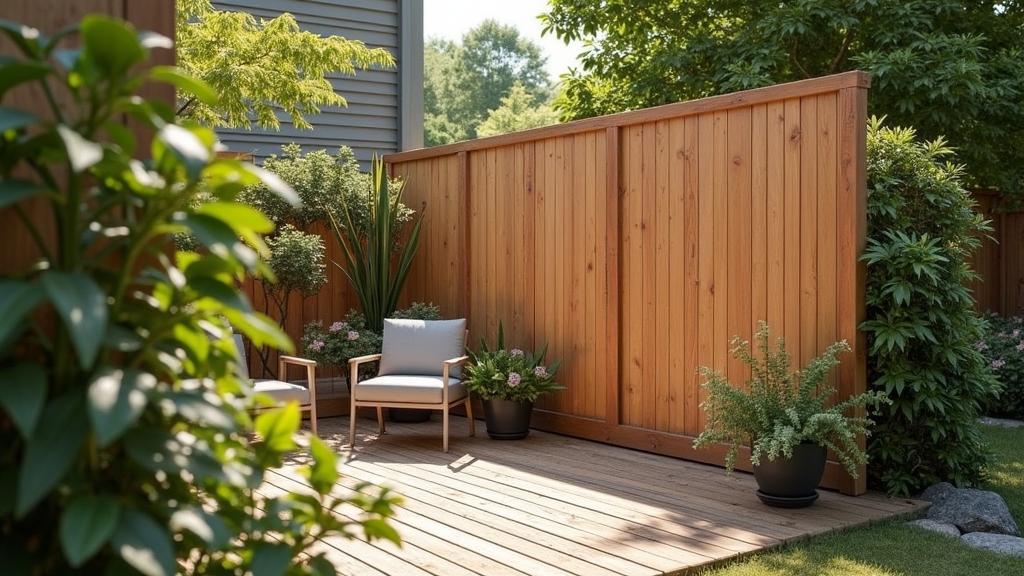
Often, the best way to secure furniture isn't to touch the furniture at all, but to change the environment. From experience, installing a tempered glass wind-break or a privacy screen can reduce wind velocity on a patio by up to 60%. This allows you to keep lighter, more comfortable furniture without the constant fear of it moving. This is a job for a pro because of the wind load calculations required for the posts.
Pros and Cons: DIY vs. Professional
Choosing between these two paths depends on your budget and how much you value the 'look' of your outdoor space.
DIY Anchoring
- Pros: Inexpensive, non-permanent, can be done immediately.
- Cons: Often unsightly, requires manual labor before every storm, less reliable in extreme weather.
Professional Anchoring
- Pros: Set-it-and-forget-it security, clean aesthetic, increases property value, maximum safety.
- Cons: Expensive, permanent (hard to rearrange furniture), requires specialized tools and permits in some areas.
Cost Comparison
Let's talk numbers. I’ve seen homeowners spend $20 on a set of bungee cords and be perfectly happy. On the flip side, a professional anchoring job for a full dining set can run anywhere from $400 to $1,200 depending on the materials of the deck and the furniture.
| Method | Estimated Cost | Longevity |
|---|---|---|
| Sandbags/Weights | $30 - $150 | 2-3 Seasons |
| DIY Deck Anchors | $50 - $100 | 5+ Years |
| Pro Bolt-Down | $400 - $1,200 | Lifetime |
| Wind Screens/Walls | $2,000+ | Lifetime |
Best Use Cases for Each Situation
One thing many people overlook is the type of furniture material they bought. If you have heavy wrought iron, DIY weights are likely overkill; you just need some grippy feet. However, if you have modern aluminum or plastic resin furniture, you are in the high-risk category.
Choose DIY if: You live in a rental, you have a concrete patio where you don't want to drill, or you live in a region with only occasional high winds.
Choose Professional if: You have a rooftop deck, you live on the coast, or you have invested over $5,000 in a premium outdoor living set that you don't want to see damaged.
Final Recommendation: The Contractor's Verdict
In my experience, the best middle ground for most homeowners is a 'Semi-Permanent DIY' approach. Use stainless steel 'eye bolts' screwed into your deck joists in inconspicuous corners. You can then use high-tension coated cables to tether your furniture during the off-season or before a big storm. This gives you the security of a professional bolt-down with the flexibility of a DIY setup.
The key thing to remember is that wind is an invisible force with incredible leverage. Don't wait until the clouds turn grey to start thinking about it. Secure your investment now so you can enjoy the breeze rather than fearing it.
", "tags": ["patio safety", "windproofing", "outdoor living", "home maintenance"], "readTime": 8, "metaTitle": "How to Secure Patio Furniture for Wind: DIY vs Pro", "metaDescription": "Learn how to anchor outdoor furniture and prevent it from blowing away. Expert contractor tips on weights, anchors, and professional windproofing.", "focusKeyword": "secure patio furniture for wind", "faqs": [ { "question": "What is the best weight for a patio umbrella in high wind?", "answer": "For a standard 9-foot umbrella, you need at least a 50lb base if it's under a table. For freestanding umbrellas, 75-100lbs is the minimum I recommend to prevent it from becoming a projectile." }, { "question": "Will bolting furniture to my deck void the warranty?", "answer": "It might. Most furniture warranties don't cover modifications. However, the damage caused by the furniture tumbling across your yard is also usually not covered. Always check with the manufacturer first." }, { "question": "Can I use bricks to weight down my furniture?", "answer": "I don't recommend it. Bricks can scratch your deck surface and don't provide much weight relative to their size. Specialized sandbags or water-filled weights are much more effective and safer for the furniture's finish." }, { "question": "How do I secure furniture on a composite deck like Trex?", "answer": "Be careful here. You should never just screw into the composite boards; they don't have the structural integrity to hold a screw under wind load. You must drill through the board and anchor directly into the wooden joist beneath using stainless steel hardware." } ], "tableOfContents": [ { "id": "diy-solutions-preventing-furniture-from-blowing-away", "title": "DIY Solutions: Preventing Furniture from Blowing Away", "level": 2 }, { "id": "using-deck-furniture-weights-and-sandbags", "title": "Using Deck Furniture Weights and Sandbags", "level": 3 }, { "id": "the-bungee-cord-and-stacking-method", "title": "The Bungee Cord and Stacking Method", "level": 3 }, { "id": "applying-museum-gel-or-grippy-pads", "title": "Applying Museum Gel or Grippy Pads", "level": 3 }, { "id": "professional-anchoring-when-to-call-the-contractor", "title": "Professional Anchoring: When to Call the Contractor", "level": 2 }, { "id": "permanent-bolt-down-installations", "title": "Permanent Bolt-Down Installations", "level": 3 }, { "id": "custom-wind-screens-and-glass-railings", "title": "Custom Wind Screens and Glass Railings", "level": 3 }, { "id": "pros-and-cons-diy-vs-professional", "title": "Pros and Cons: DIY vs. Professional", "level": 2 }, { "id": "cost-comparison", "title": "Cost Comparison", "level": 2 }, { "id": "best-use-cases-for-each-situation", "title": "Best Use Cases for Each Situation", "level": 2 }, { "id": "final-recommendation-the-contractors-verdict", "title": "Final Recommendation: The Contractor's Verdict", "level": 2 } ] }