Mastering Your Sprinkler System Maintenance
Most homeowners view their sprinkler system as a 'set it and forget it' luxury. However, from an energy and water efficiency perspective, an unmaintained irrigation system is one of the biggest drains on your monthly budget. A single leaky valve or a misdirected spray head can waste thousands of gallons of water over a single season, often without you even noticing until the utility bill arrives. Managing your lawn sprinklers effectively is about more than just keeping the grass green; it is about precision, conservation, and protecting the longevity of your outdoor infrastructure.
When it comes to maintaining these systems, the big question is whether you should roll up your sleeves and do the work yourself or hire a specialized irrigation contractor. Here is the thing: both approaches have their merits, but the right choice often depends on the complexity of your setup and your comfort level with basic plumbing and electrical work.
The DIY Approach: Taking Control of Your Irrigation
For the motivated homeowner, DIY irrigation maintenance is an excellent way to stay connected to your property’s needs. Most routine tasks do not require specialized heavy machinery, just a bit of patience and a few basic tools. The goal of DIY maintenance is preventative care—identifying small issues before they turn into underground geysers.
Routine Inspection and Cleaning
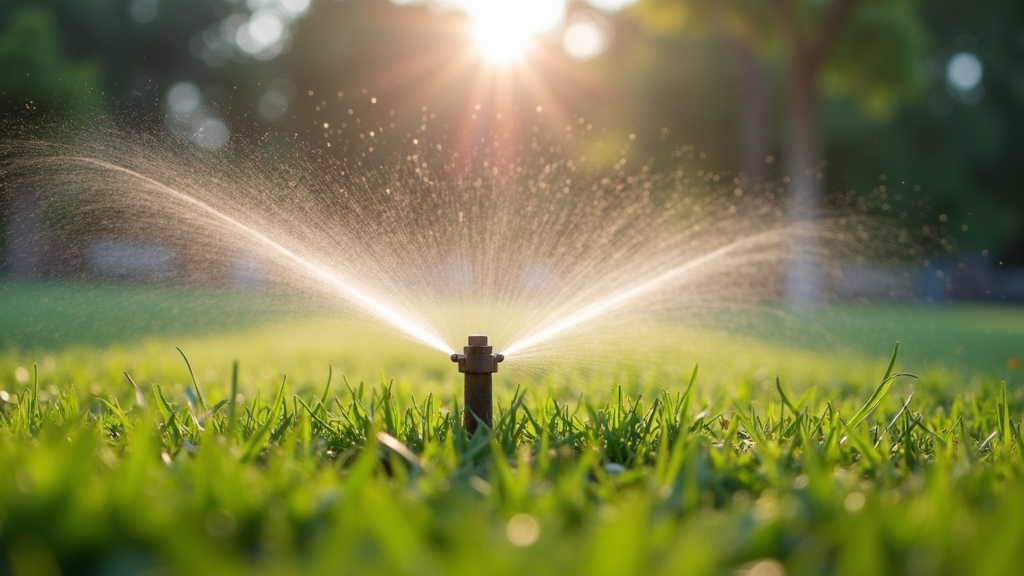
What most people miss is that sprinkler heads are essentially vacuum cleaners when they retract. They pull in dirt, grass clippings, and debris that eventually clog the nozzles. Cleaning these out is a simple task that involves unscrewing the nozzle, rinsing the internal filter, and ensuring the pop-up mechanism moves freely. This ensures a uniform spray pattern, which prevents 'hot spots' in your lawn that usually lead homeowners to overwater the entire yard just to satisfy one dry patch.
Adjusting Spray Patterns and Timing
Now, the important part: the controller. Seasonality dictates your watering needs. A common mistake is leaving the spring schedule active during the heat of July or the rainy weeks of September. A DIYer can easily adjust the run times and ensure that heads are pointing at the grass, not the driveway or the side of the house. Over-spraying onto pavement is one of the most visible forms of water waste, and it is entirely avoidable with a simple screwdriver adjustment.
The Professional Path: When to Call in an Expert
While cleaning a nozzle is straightforward, irrigation systems are complex networks of pressurized pipes, low-voltage wiring, and mechanical valves. There are specific scenarios where a professional’s experience is not just helpful—it is necessary for the safety of your home and the efficiency of the system.
Complex Diagnostics and Repairs
This is where it gets interesting. If you notice a sudden drop in water pressure across a whole zone, you might be dealing with a cracked lateral line or a failing solenoid valve. Professionals use specialized equipment, like ultrasonic leak detectors and wire tracers, to find underground problems without digging up your entire yard. Trying to find a 'ghost leak' on your own can lead to hours of wasted time and a landscape that looks like a construction zone.
Backflow Testing and Winterization
In many jurisdictions, annual backflow testing is a legal requirement. This ensures that the water from your irrigation system (which may contain fertilizers or pesticides) does not siphon back into your home’s clean drinking water supply. This requires a certified tester. Similarly, if you live in a climate where the ground freezes, professional 'blow-outs' are essential. Using a standard shop-vac won't suffice; pros use high-volume industrial compressors to clear every drop of water from the lines to prevent pipes from bursting underground during the winter.
Pros and Cons: Weighing Your Options
DIY Maintenance
- Pros: Immediate cost savings on labor; deeper understanding of your own property; flexibility to make adjustments exactly when needed.
- Cons: Risk of accidental damage (e.g., breaking a pipe while digging); time-consuming; limited ability to handle electrical or mainline issues.
Professional Maintenance
- Pros: Guaranteed work; access to commercial-grade parts; comprehensive system auditing for water efficiency; legal compliance for backflow.
- Cons: Higher upfront cost; scheduling wait times during peak spring and fall seasons.
Cost Comparison: The Reality of the Numbers
Worth mentioning is the actual financial breakdown. A DIY maintenance kit—including a few replacement heads, a nozzle cleaning tool, and a some replacement risers—will likely cost you less than $50 at a local hardware store. Your primary investment here is time, usually a few hours every month.
On the other hand, a professional maintenance contract typically ranges from $150 to $400 per year. This usually covers a spring start-up, a mid-season check-up, and a winterization shutdown. While this is a higher out-of-pocket expense, the good news is that a professionally tuned system can often reduce water waste by 20% to 30%, which can significantly offset the service fee through lower utility bills.
The Verdict: Which Choice Fits Your Situation?
Something to keep in mind is that the best approach is often a hybrid one. You don't necessarily have to choose one or the other for the life of the system.
When to DIY:
- You have a small, simple system with only a few zones.
- You enjoy outdoor projects and have basic mechanical skills.
- You are looking to save money and don't mind getting your hands dirty.
- The issues are superficial, like clogged nozzles or tilted heads.
When to Hire a Pro:
- You are dealing with electrical issues at the controller or valve box.
- You have a complex property with significant elevation changes (which affects pressure regulation).
- You need to comply with local backflow prevention ordinances.
- You have noticed a mystery leak that isn't showing up on the surface.
Final Recommendations for Maximum Efficiency
Regardless of who does the work, the priority should always be water conservation. If you choose to DIY, consider upgrading your old nozzles to high-efficiency rotary nozzles, which deliver water more slowly and reduce runoff. If you hire a pro, ask them to perform a 'catch-can test' to measure the actual distribution uniformity of your system.
The goal is a sprinkler system that supports a healthy landscape without a drop of waste. By staying on top of maintenance—whether through your own efforts or by partnering with an expert—you protect your wallet, your property value, and our shared water resources.