Understanding Why Fire Pits Smoke
In most homes, the backyard fire pit is a focal point for relaxation, but it often becomes a source of frustration when smoke begins to blow toward guests. The real issue usually is incomplete combustion. When wood doesn't burn hot enough or lacks sufficient oxygen, it releases unburnt particles in the form of thick, stinging smoke. From experience, I have found that achieving a 'smokeless' effect is less about expensive gear and more about mastering the physics of fire pit airflow and fuel quality.
A common situation is the 'smoke follows beauty' myth, where people assume the wind is simply out to get them. In reality, a person standing near a fire creates a low-pressure zone that pulls smoke toward them. By understanding fire pit ventilation and how to manage heat, you can significantly reduce the particulate matter released into your backyard and the atmosphere.
Essential Tools and Materials for a Clean Burn
To control smoke, you need to be prepared with the right supplies. Using the correct materials is the first step toward a more sustainable and lung-friendly fire.
- Dry, Seasoned Hardwood: Oak, maple, or hickory are ideal. They have higher energy density and burn cleaner than softwoods.
- Moisture Meter: A small electronic tool used to check the internal water content of your firewood.
- Natural Kindling: Small twigs, dried leaves, or untreated wood shavings.
- Fire Poker or Tongs: For rearranging logs to maintain fire pit airflow.
- Ash Shovel: To clear out old debris that blocks air intake.
- Raised Fire Grate: To lift the fuel off the floor of the pit, allowing oxygen to circulate underneath.
Preparation: Selecting the Right Fuel
One thing many people overlook is the moisture content of their wood. In my experience, this is the single most important factor in smoke production. Freshly cut wood, or 'green' wood, contains up to 50% water. When you try to burn it, the fire's energy is wasted boiling that water off rather than creating heat, resulting in massive amounts of steam and smoke.
Checking Moisture Levels
What works best is using wood with a moisture content of 20% or less. You can check this by using a moisture meter on a freshly split face of a log. If you don't have a meter, look for logs that are greyed, have cracks (checks) at the ends, and make a high-pitched 'clink' rather than a dull 'thud' when knocked together. Over the years, I have learned that even one 'wet' log can ruin the combustion of an entire fire.
Avoiding Treated Materials
From a sustainability perspective, never burn pressure-treated lumber, pallets (unless marked HT for Heat Treated), or plywood. These contain glues and chemicals that release toxic fumes when burned, which is harmful to both your health and the local air quality.
Step-by-Step Guide to Controlling Fire Pit Smoke
Follow these steps to build a fire that prioritizes backyard smoke control through efficient burning.
Step 1: Clear the Air Intakes
Before lighting anything, remove the ash from previous fires. In most homes, fire pits have small vent holes at the bottom or sides. If these are clogged with ash, the fire will be 'strangled' for oxygen, leading to excessive smoke. Ensure there is a clear path for air to enter the base of the pit.
Step 2: Use the 'Top-Down' Stacking Method
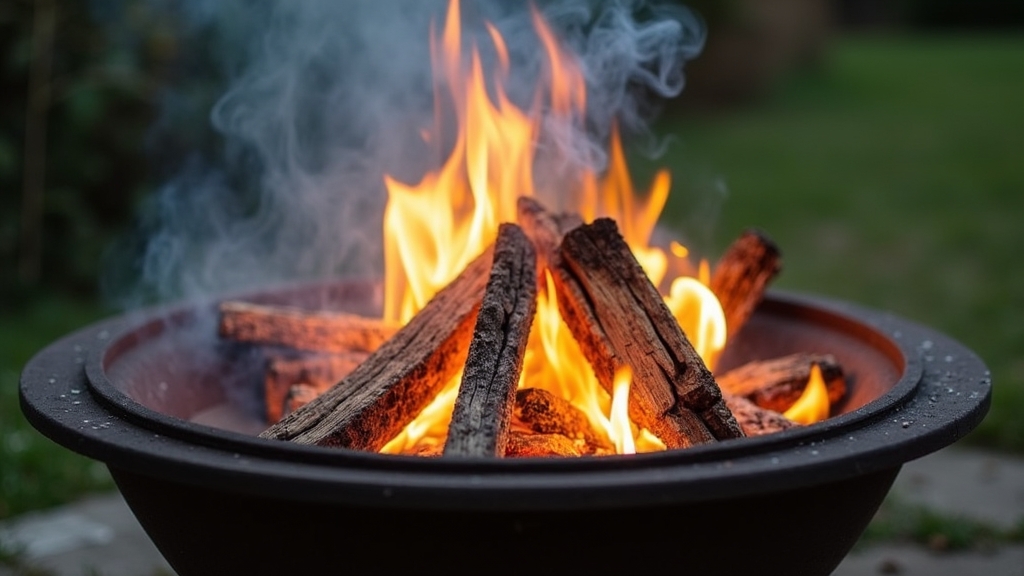
The key thing to remember is that heat rises. Traditional 'teepee' fires often collapse on themselves and smother the flame. Instead, try the top-down method. Place your largest logs at the bottom, layered perpendicularly. Place medium logs on top, and put your kindling and fire starter at the very top. As the kindling burns, it creates a bed of hot coals that falls into the lower layers. This pre-heats the logs below, leading to much cleaner combustion.
Step 3: Encourage Upward Fire Pit Ventilation
Ensure there are gaps between your logs. If you pack the wood too tightly, air cannot move through the pile. Think of your fire as a living thing that needs to breathe. Use a fire poker to maintain these gaps as the wood shifts and burns down.
Step 4: Gradually Add Fuel
A common mistake is tossing a large, cold log onto a dying fire. This drops the temperature of the coals instantly and causes a plume of smoke. What works best is adding smaller pieces more frequently to keep the core temperature high. This ensures that any gases released from the new wood are immediately ignited by the heat.
Advanced Airflow Techniques
If you find that your fire pit is still smoky despite using dry wood, the issue may be the design of the pit itself. You can improve fire pit airflow without buying a new unit.
Using a Fire Grate
What I have found is that many store-bought fire pits have a solid bottom. Adding a simple metal grate to lift the wood two to three inches off the floor allows air to flow directly under the logs. This 'under-draft' is essential for high-temperature burns.
Directional Wind Blocks
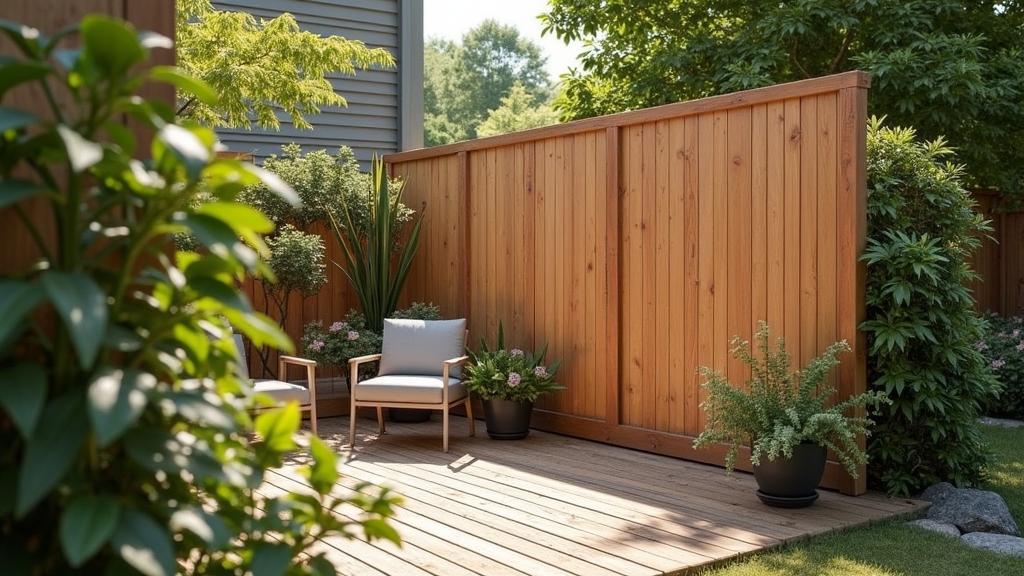
While we want airflow, we don't want turbulent gusts blowing into the pit and pushing smoke sideways. Placing your fire pit in a location with natural windbreaks—like a fence or a stone wall—can help. However, never place a fire pit under a low-hanging canopy or too close to a structure. A distance of at least 10-15 feet from any combustible surface is a standard safety recommendation.
Troubleshooting Common Smoke Issues
The Fire is Smoldering
This is usually caused by a lack of heat. If the fire is just glowing and producing white smoke, it needs more oxygen. Gently blow on the base of the fire or use a bellows. If the wood is black but not flaming, try adding smaller, drier kindling to reignite the secondary combustion.
Smoke is Swirling Low to the Ground
This often happens on humid or very still nights when a 'temperature inversion' occurs. The cold air traps the smoke near the ground. In this case, your best bet is to build a smaller, hotter fire. Smaller fires create a more concentrated upward draft that can pierce through the heavy air layers.
Maintaining a Sustainable Fire Pit Experience
To remain an eco-friendly homeowner, it is important to remember that every fire has an impact. By following these smoke-reduction techniques, you are ensuring that you are burning fuel as efficiently as possible, which reduces the carbon footprint of your backyard gathering. Always extinguish your fire completely with water or by snuffing it with a lid when finished, and compost the cooled wood ash (in moderation) to return minerals to your garden soil.