The Reality of Winterizing Your Outdoor Living Space
I have managed dozens of properties over the last fifteen years, and if there is one thing I have learned the hard way, it is that winter is the absolute enemy of outdoor fabrics. People spend thousands of dollars on high-end patio sets only to watch the cushions develop black spots and a musty smell by March. Here is the thing: outdoor fabric care isn't just about moving things inside; it is about moisture management. If you trap even a teaspoon of water inside a storage bag, you have effectively created a petri dish for spores.
When it comes to winterizing patio furniture, you have two real paths: the DIY route or hiring a professional service. Most homeowners assume DIY is always the better choice to save a few bucks, but after seeing countless 'ruined' cushions, I can tell you that the best method depends entirely on your climate, your storage space, and the quality of your furniture.
The DIY Method: Sweat Equity and Sunlight
The DIY approach involves cleaning, drying, and packing away your cushions yourself. This is the most common route, but what most people miss is the 'drying' phase. If you think a cushion is dry because the surface feels crisp, you are probably wrong. The foam core inside can hold moisture for days.
The Cleaning Process
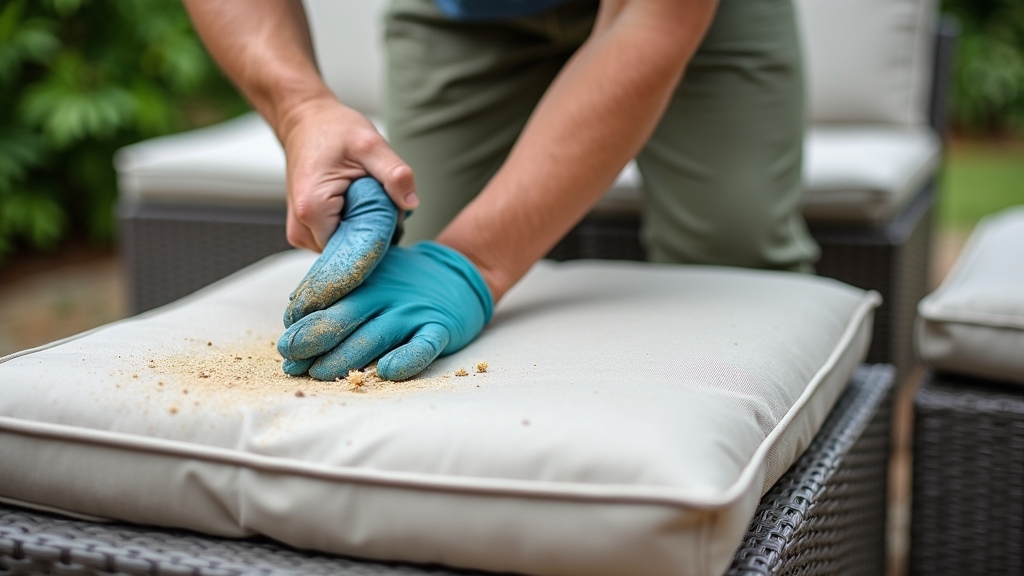
Before any cushion goes into storage, it must be spotless. Organic matter—like bird droppings, pollen, or spilled drinks—acts as food for mold. Use a mild soap solution and a soft-bristled brush. Avoid power washing; I have seen too many people blow holes right through expensive outdoor fabric by getting too aggressive with the pressure.
The Drying Phase
Now, the important part: you need at least 48 to 72 hours of dry, sunny weather to ensure the internal foam is completely moisture-free. I recommend standing the cushions up on their sides rather than laying them flat. This allows gravity to pull moisture toward the bottom edge where it can evaporate more efficiently.
Storage Solutions
Once dry, you need high-quality cushion storage bags. Avoid using cheap plastic garbage bags; they don't breathe. If there is a temperature swing, condensation will form inside the plastic, and you will find a mess in the spring. Breathable fabric bags or heavy-duty bins stored in a climate-controlled area are your best bets.
The Professional Approach: Off-Site Preservation
This is where it gets interesting. In many regions, specialized services will now come to your home, pick up your cushions, deep-clean them in industrial drying rooms, and store them in climate-controlled warehouses until spring. On the other hand, some companies offer on-site shrink-wrapping, though I generally advise against this for cushions unless they are 100% bone-dry.
Deep Extraction Cleaning
Professionals use hot water extraction or specialized solvents that penetrate deep into the foam. This removes internal pollutants that a simple surface scrub misses. Something to keep in mind is that professional drying involves high-velocity air movers, which ensures zero moisture remains before the item is sealed.
Space Management
For my property owners with limited garage space, professional storage is a lifesaver. Patio cushions are bulky. A full set for an outdoor sectional can take up the space of a small car. Off-site storage frees up that valuable real estate for snowblowers or vehicles.
Pros and Cons Comparison
DIY Storage
- Pros: Zero cost (other than supplies), you have immediate access if a warm day pops up in January, and you control the handling.
- Cons: High risk of mold if not dried perfectly, takes up significant square footage, and requires a full weekend of labor.
Professional Storage
- Pros: Guaranteed mold prevention, deep cleaning extends the life of the fabric, and no bulky bags taking up your garage.
- Cons: Recurring seasonal cost and you have to schedule pick-up and delivery weeks in advance.
Cost Comparison: Short-Term vs. Long-Term
A set of high-quality cushion storage bags will run you between $50 and $150. Your time is the biggest investment here. If you spend five hours cleaning and packing, and your cushions last five years, your DIY cost is negligible. Worth mentioning, however, is the replacement cost. A full set of custom Sunbrella cushions can cost $1,500 to $3,000. If a DIY mistake leads to mold, you are out several thousand dollars.
Professional services usually charge based on the number of pieces. You might pay $200 to $500 per season for cleaning and storage. While that seems steep, it is often cheaper than replacing the set every three years because they were stored improperly in a damp basement.
Best Use Cases for Each Option
The good news is that there is a clear winner depending on your situation. You should go DIY if you have a large, dry, climate-controlled basement or attic and the weather in your area allows for a long, dry period in the fall to prep the items. If you are just storing lightweight pads for a bistro set, professional service is overkill.
You should hire a professional if you have high-end, thick foam cushions, live in a high-humidity environment, or simply don't have the physical space to keep 10-12 large cushions indoors. If you have ever opened a storage bag in the spring and been hit with that 'old basement' smell, it’s time to call in the pros.
Final Recommendation
My rule of thumb for the properties I manage is simple: if the cushions are part of a 'luxury' set (thick, multi-layer foam with high-end upholstery), the professional route pays for itself by doubling the lifespan of the furniture. For standard, mid-range sets, the DIY method is perfectly fine as long as you are disciplined about the drying process. Whatever you do, never store cushions in a shed or crawlspace where rodents can get to them; they love using cushion batting for winter nests.