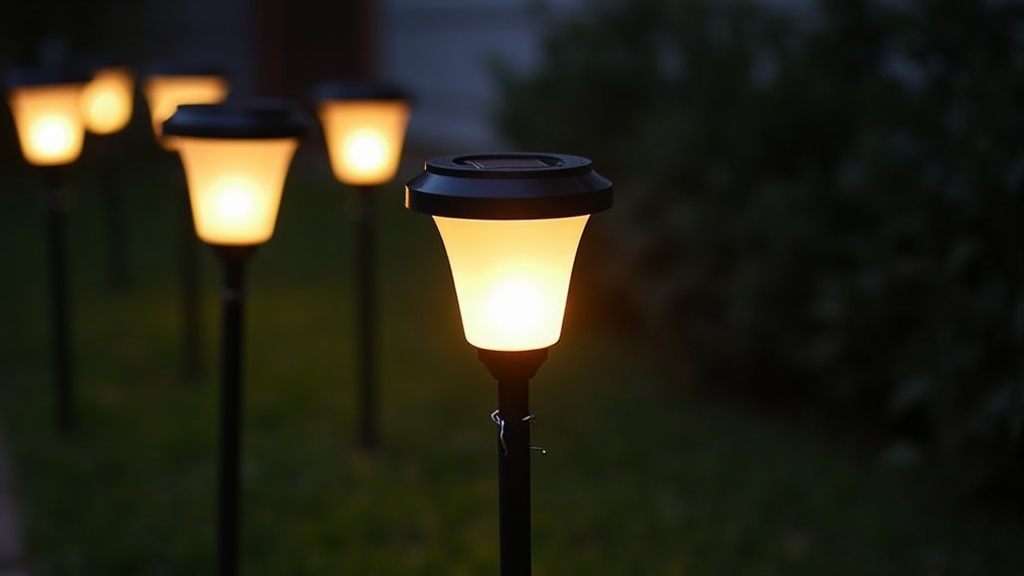
I’ve managed dozens of properties over the last decade, and if there is one thing that drives homeowners—and tenants—absolutely crazy, it’s a flickering garden light. It starts as a subtle strobe and eventually turns your peaceful walkway into a low-budget horror movie set. Here is the thing: most people assume the light is broken and toss it in the trash. As a property manager who watches the bottom line, I can tell you that most flickering is actually a cry for help from a system that is 90% functional.
While many online guides suggest a quick wipe-down, I’m here to talk about long-term solutions. We aren't just looking for a temporary band-aid; we want these lights to stay bright and steady through every season. Whether you are dealing with dim garden lights or a full-blown flicker, this guide will walk you through the professional-grade fixes that actually last.
Understanding the Root Causes of Solar Light Flickering
Before we pick up a screwdriver, we need to understand why the flicker is happening. In my experience, solar light failure usually boils down to three main culprits: power starvation, poor connectivity, or environmental wear and tear. Now, the important part to remember is that these three factors often overlap.
Inadequate Sunlight and Panel Obstruction
This is the most common cause, yet it’s the one most people overlook because they assume the sun is doing its job. Over time, a microscopic layer of oxidation and grime builds up on the plastic casing of the solar cell. This doesn't just block light; it prevents the photovoltaic cells from reaching the voltage threshold required to maintain a steady current. When the voltage drops too low, the LED begins to pulse because it’s struggling to draw power from an undercharged battery.
Battery Memory and Degradation
What most people miss is that the "pre-installed" batteries in budget solar lights are often the lowest grade available. They have a limited number of charge cycles. When a battery starts to fail, it can no longer hold a stable discharge rate. You’ll see the light come on at dusk, look great for ten minutes, and then start that annoying flicker as the battery voltage fluctuates wildly.
Corrosion and Moisture Ingress
Outdoor lights live in a harsh environment. Morning dew, heavy rain, and humidity are the enemies of electronics. This is where it gets interesting: moisture often enters through the battery compartment or the seam of the housing, causing the metal contact points to oxidize. This oxidation creates high resistance, leading to—you guessed it—flickering.
Immediate Steps for Solar Light Repair
If you want to stop the flickering today, follow these steps in order. These are the "triage" steps I train my maintenance teams to perform whenever we take over a new property.
Cleaning Solar Panels the Right Way
Don't just spray them with a hose. To truly fix dim garden lights, you need to remove the buildup. Use a soft, microfiber cloth and a gentle solution of dish soap and warm water. For panels that have become cloudy or "milky" due to UV damage, a very small amount of high-quality plastic polish or even a dab of non-gel toothpaste can help restore clarity.
The Battery Deep Clean
Pop open the battery compartment. If you see white powdery residue, that’s corrosion. Use a cotton swab dipped in white vinegar or lemon acid to neutralize the alkaline leakage. Once dry, use a piece of fine-grit sandpaper (400 grit or higher) to lightly scuff the metal terminals until they shine. This ensures a low-resistance connection that prevents current drops.
The Dark Test
Worth mentioning is a simple diagnostic trick: cover the solar panel completely with your hand or a piece of cardboard during the day. If the light flickers while you're holding it, the issue is internal (battery or circuit). If it only flickers at night, it might be "light pollution"—a nearby streetlight or porch light is hitting the sensor and telling it to turn off, creating a loop of on-off-on-off.
Long-Term Prevention: Making Fixes Stick
As a property manager, I don't want to fix the same light twice. Here are the professional strategies for ensuring your solar lights remain stable for years, not weeks.
Replace Solar Batteries with High-Capacity Alternatives
The good news is that you aren't stuck with the batteries that came with the unit. Most solar lights use NiMH (Nickel Metal Hydride) rechargeable batteries. When you replace them, look for a higher mAh (milliamp-hour) rating. If your original battery was 600mAh, upgrading to 1000mAh will provide a more stable buffer, effectively smoothing out the power delivery and preventing flickers during cloudy weeks.
Applying Dielectric Grease
Something to keep in mind for long-term health is dielectric grease. After cleaning the battery terminals, apply a tiny dab of this silicone-based grease to the contacts. This is a trick used in automotive and marine industries to seal out moisture and prevent future corrosion. It’s a 30-second step that can add two years to the life of a garden light.
Seasonal Storage and Placement
On the other hand, if you live in a climate with harsh winters, the best thing you can do for your lights is to bring them inside during the darkest months. Constant freezing and thawing cycles can crack the seals on the housing. If you must leave them out, ensure they are positioned where they get at least 6 hours of direct sunlight. Even a slight shadow from a leafless winter branch can reduce charging efficiency by 50%.
When to Call a Professional (or Replace the Unit)
Not every light can be saved. If you have cleaned the panels, replaced the batteries, and scoured the contacts, and the light still flickers, the issue is likely the integrated circuit board or the LED itself.
For standard garden stakes that cost $10-$20, the professional advice is to recycle the unit and start fresh. However, if you have high-end, hard-wired solar landscape lighting systems that cost hundreds of dollars, it is worth calling an outdoor lighting specialist. They have the tools to test the internal capacitors and can often solder in a replacement part for a fraction of the cost of a new system.
Summary Checklist for Stable Solar Lighting
- Clean panels monthly with a soft cloth and soapy water.
- Replace batteries every 1-2 years with high-capacity NiMH cells.
- Check terminals for corrosion at the start of every season.
- Use dielectric grease to waterproof electrical connections.
- Ensure no secondary light sources are confusing the dusk-to-dawn sensor.